THE ADVENTURE COLLECTIVE® · Independent discovery and booking for outdoor travel

Trace Atlanta’s complex downtown on a private guided walk from the gold-domed State Capitol through Underground Atlanta to Centennial Olympic Park. This 2–3 hour tour blends architecture, civil‑rights history, and practical local tips for exploring the city on foot.
Trace Atlanta’s complex downtown on a private guided walk from the gold-domed State Capitol through Underground Atlanta to Centennial Olympic Park. This 2–3 hour tour blends architecture, civil‑rights history, and practical local tips for exploring the city on foot.
The tour begins with a quiet click of sneakers on pavement and the gold dome of the Georgia State Capitol catching the first light. You stand where politics and pavement meet: a guide gestures to a carving in limestone, then points up—glass towers leaning over brick facades, a freight of stories stacked in every block. For two to three hours this route draws a line through Atlanta’s contrasting faces: civic power, industrial reinvention, and public memory.
Verified experiences and guided adventures in the surrounding area.
Operated by New York City Tours · Atlanta, Georgia
The tour begins with a quiet click of sneakers on pavement and the gold dome of the Georgia State Capitol catching the first light. You stand where politics and pavement meet: a guide gestures to a carving in limestone, then points up—glass towers leaning over brick facades, a freight of stories stacked in every block. For two to three hours this route draws a line through Atlanta’s contrasting faces: civic power, industrial reinvention, and public memory.
Atlanta’s downtown sits on the northern edge of the coastal plain, where the Piedmont’s granite give way to red clay and the city’s roads follow old trade paths. That geology shaped its growth—rail hubs and river crossings turned a frontier town into a transportation node and then a regional capital. The tour moves from the Capitol’s gilded roof—an emblem of political evolution—into the shadowed vaults of Underground Atlanta, where post–Civil War commerce and 20th‑century rebirth meet in brick-alley stories. You’ll pass the Healey Building and into the Fairlie‑Poplar District, where preserved façades keep early skyscraper ambitions readable between modern glass.
History here is tangible: the Civil War’s imprint on urban form; Reconstruction’s messy remake; the Civil Rights movement’s local roots that reach forward into the National Center for Civil and Human Rights. The 1996 Olympics rewired downtown again—Centennial Olympic Park remains a deliberate green room for a city that learned to host the world.
Practical guidance follows the narrative. Choose the 2‑hour route for a focused snapshot—about 1 mile over mostly flat but occasionally uneven sidewalks. The 3‑hour option extends to roughly 1.5–2 miles with extra stops (World of Coca‑Cola, Olympic Park, Civil Rights Center). Expect some stairs and old curbs; the tour is advertised as wheelchair accessible but check in advance for specific stops. Guides are licensed, private, and limit groups to keep the pace conversational.
Timing matters: mornings cut through summer heat and crowds; late afternoons add skyline glow. Wear broken‑in walking shoes and bring a refillable bottle—water fountains and cafés pepper the route but entrance fees for museums are separate. The tour runs rain or shine—pack a compact rain jacket—and arrives at SkyView and Centennial Park just when their scale and stories feel most immediate.
This walk is less about ticking boxes than entering conversations—between architecture and memory, commerce and community. A local guide gives direction and context, turning sidewalks into chapters and leaving you with a practical map of a downtown that keeps changing, while still offering the same city-sized questions and the same pockets of surprise.
moderate.
2–3 hours.
Light to moderate; comfortable walking for 1–2 miles with short periods standing and stairs.
No—museum admissions are not included. Your guide can advise on whether to add an internal visit and how to buy tickets in advance.
Meet in front of Origin Atlanta (Wyndham) at 110 Mitchell St SW; the hotel is a convenient landmark but not involved in the tour.
The operator lists wheelchair accessibility, but some historic stops have steps—notify the operator in advance so the guide can adapt the route.
Private tours are limited to 25 guests per guide; larger groups receive additional guides to maintain a personalized experience.
Dress for walking and the weather—breathable layers in summer, a warm layer in winter, and comfortable shoes suitable for uneven sidewalks.
Tours run rain or shine. For severe weather the operator will contact you; check your email the day before for specific instructions.
Downtown Atlanta grew rapidly as a rail and commerce hub; later layers include Reconstruction, the Civil Rights movement, and the 1996 Olympics reshaping public space.
Centennial Olympic Park is an example of urban restoration—support local green initiatives and use existing public transit to reduce downtown congestion.
New York City Tours operates guided outdoor trips and adventures with an emphasis on safety, stewardship, and memorable experiences.
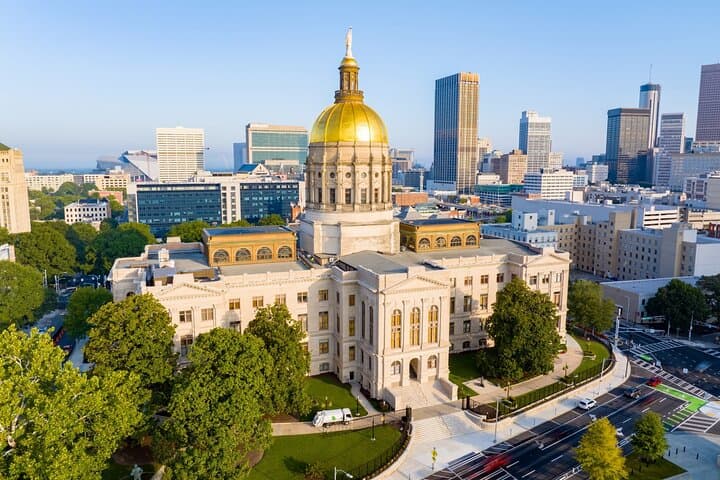

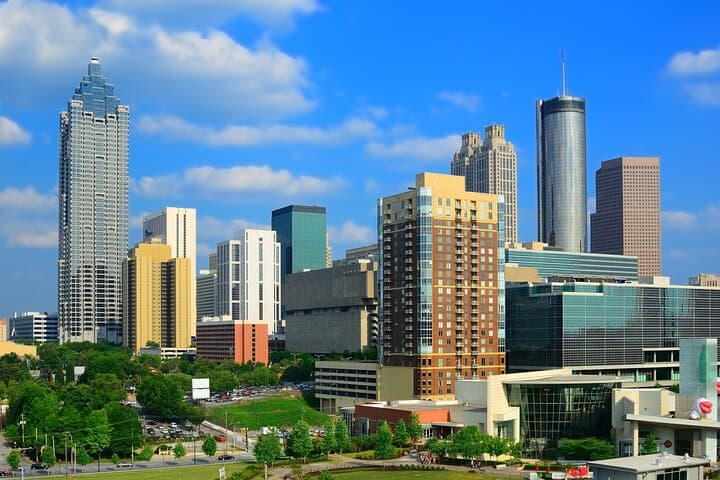
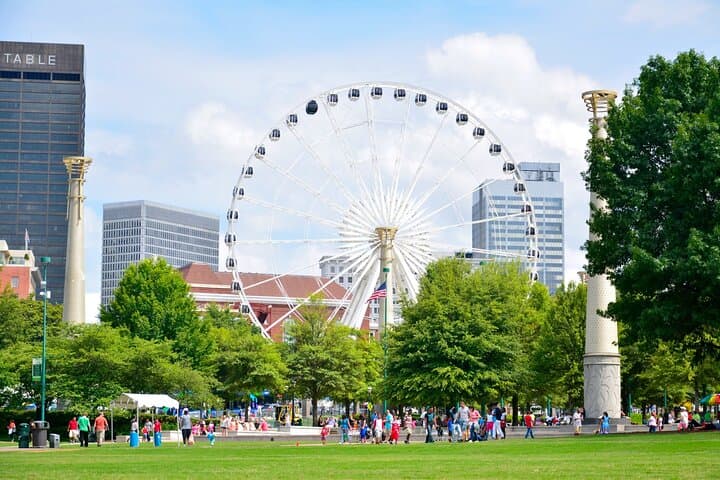
The tour begins with a quiet click of sneakers on pavement and the gold dome of the Georgia State Capitol catching the first light. You stand where politics and pavement meet: a guide gestures to a carving in limestone, then points up—glass towers leaning over brick facades, a freight of stories stacked in every block. For two to three hours this route draws a line through Atlanta’s contrasting faces: civic power, industrial reinvention, and public memory.
The tour begins with a quiet click of sneakers on pavement and the gold dome of the Georgia State Capitol catching the first light. You stand where politics and pavement meet: a guide gestures to a carving in limestone, then points up—glass towers leaning over brick facades, a freight of stories stacked in every block. For two to three hours this route draws a line through Atlanta’s contrasting faces: civic power, industrial reinvention, and public memory.
Atlanta’s downtown sits on the northern edge of the coastal plain, where the Piedmont’s granite give way to red clay and the city’s roads follow old trade paths. That geology shaped its growth—rail hubs and river crossings turned a frontier town into a transportation node and then a regional capital. The tour moves from the Capitol’s gilded roof—an emblem of political evolution—into the shadowed vaults of Underground Atlanta, where post–Civil War commerce and 20th‑century rebirth meet in brick-alley stories. You’ll pass the Healey Building and into the Fairlie‑Poplar District, where preserved façades keep early skyscraper ambitions readable between modern glass.
History here is tangible: the Civil War’s imprint on urban form; Reconstruction’s messy remake; the Civil Rights movement’s local roots that reach forward into the National Center for Civil and Human Rights. The 1996 Olympics rewired downtown again—Centennial Olympic Park remains a deliberate green room for a city that learned to host the world.
Practical guidance follows the narrative. Choose the 2‑hour route for a focused snapshot—about 1 mile over mostly flat but occasionally uneven sidewalks. The 3‑hour option extends to roughly 1.5–2 miles with extra stops (World of Coca‑Cola, Olympic Park, Civil Rights Center). Expect some stairs and old curbs; the tour is advertised as wheelchair accessible but check in advance for specific stops. Guides are licensed, private, and limit groups to keep the pace conversational.
Timing matters: mornings cut through summer heat and crowds; late afternoons add skyline glow. Wear broken‑in walking shoes and bring a refillable bottle—water fountains and cafés pepper the route but entrance fees for museums are separate. The tour runs rain or shine—pack a compact rain jacket—and arrives at SkyView and Centennial Park just when their scale and stories feel most immediate.
This walk is less about ticking boxes than entering conversations—between architecture and memory, commerce and community. A local guide gives direction and context, turning sidewalks into chapters and leaving you with a practical map of a downtown that keeps changing, while still offering the same city-sized questions and the same pockets of surprise.