
Private Downton Abbey Villages Tour: Cotswolds Day Trip from London
Spend a day tracing the exterior film locations that became Downton Abbey: village greens, pubs, and the church where weddings and funerals were shot. This private black-cab tour from London offers hotel pickup, insider local stories, and visits to Bampton and other Cotswold villages.
An Adventure In Oxford.
Spend a day tracing the exterior film locations that became Downton Abbey: village greens, pubs, and the church where weddings and funerals were shot. This private black-cab tour from London offers hotel pickup, insider local stories, and visits to Bampton and other Cotswold villages.
Read the full experience
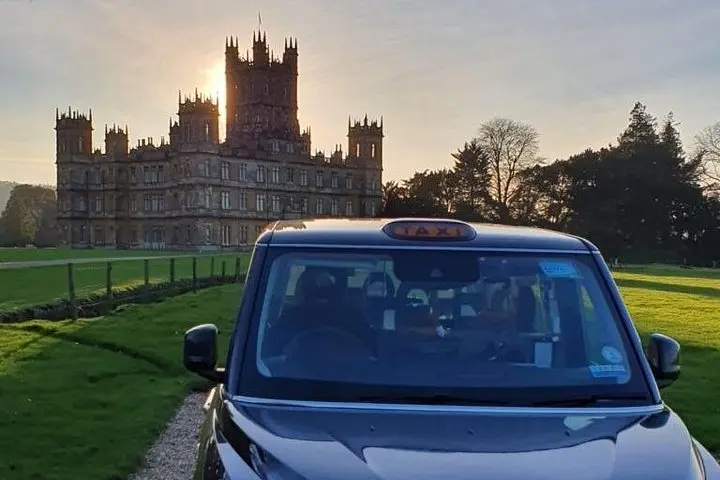
You step out of a black cab onto a narrow lane where honey-coloured stone catches late-morning light; church bells punctuate the air and a pub sign creaks above the green. The villages that doubled for Downton Abbey unfold like film frames — a post office window, a whitewashed house, a churchyard where processions once stood. The drive itself threads through low hills and grazing fields, the landscape quietly steering the story.
You step out of a black cab onto a narrow lane where honey-coloured stone catches late-morning light; church bells punctuate the air and a pub sign creaks above the green. The villages that doubled for Downton Abbey unfold like film frames — a post office window, a whitewashed house, a churchyard where processions once stood. The drive itself threads through low hills and grazing fields, the landscape quietly steering the story.
This part of the Cotswolds sits on Jurassic oolitic limestone—rock that weathered into rolling ridges and soft, uniform walls. The villages grew wealthy on the medieval wool trade; many of the façades you see are 17th- and 18th-century buildings adapted for the screen. Local culture is village-first: pubs, parish churches, and family-run shops still set the rhythm. When production crews arrived, they filmed exteriors here, leaving a tangible connection between place and popular culture.
Practicalities: the private black-cab tour runs about nine hours with hotel pickup and drop-off, a staffed driver-guide, and stops in Bampton plus additional Cotswold villages; lunch at a 300-year-old pub is on your own. Most visits are exterior only, so confirm castle (Highclere or Blenheim) opening times if you want admission. Paths through village streets are cobbled or paved; wheelchair access is generally good but check specifics for each site. Bring layered clothing and waterproofs—the weather can change fast—and a charged camera for tight architectural details. Expect easy walking, lots of photo opportunities, and local gossip from shopkeepers who remember the crews.
Frequently asked questions
The itinerary includes Highclere Castle when it is open; when closed the operator offers Blenheim Palace or extra village time—confirm prior to booking if castle entry is essential.
Yes—this private tour offers hotel pickup and drop-off; you’ll be asked for a pickup point when booking.
Lunch at a traditional pub is on your own; admission to castles or palaces is not included unless specifically arranged.
The tour and transport are listed as wheelchair accessible, but accessibility inside individual village buildings or castle interiors varies—check specific sites in advance.
About This Experience
See More Taxi Tours operates guided outdoor trips and adventures with an emphasis on safety, stewardship, and memorable experiences.
Adventure tips
Recommended gear
- Comfortable walking shoes: Support and grip for cobbled lanes and village streets.
- Light rain jacket: Keeps you dry and warm during sudden showers in spring and shoulder seasons.
- Compact camera or phone with charger: Cotswold architecture offers many photo opportunities—keep batteries topped up.
- Small daypack: Holds water, snacks, and layers during stops in village centres.
Photos of the experience
Related adventures & guides
Read the full experience
You step out of a black cab onto a narrow lane where honey-coloured stone catches late-morning light; church bells punctuate the air and a pub sign creaks above the green. The villages that doubled for Downton Abbey unfold like film frames — a post office window, a whitewashed house, a churchyard where processions once stood. The drive itself threads through low hills and grazing fields, the landscape quietly steering the story.
You step out of a black cab onto a narrow lane where honey-coloured stone catches late-morning light; church bells punctuate the air and a pub sign creaks above the green. The villages that doubled for Downton Abbey unfold like film frames — a post office window, a whitewashed house, a churchyard where processions once stood. The drive itself threads through low hills and grazing fields, the landscape quietly steering the story.
This part of the Cotswolds sits on Jurassic oolitic limestone—rock that weathered into rolling ridges and soft, uniform walls. The villages grew wealthy on the medieval wool trade; many of the façades you see are 17th- and 18th-century buildings adapted for the screen. Local culture is village-first: pubs, parish churches, and family-run shops still set the rhythm. When production crews arrived, they filmed exteriors here, leaving a tangible connection between place and popular culture.
Practicalities: the private black-cab tour runs about nine hours with hotel pickup and drop-off, a staffed driver-guide, and stops in Bampton plus additional Cotswold villages; lunch at a 300-year-old pub is on your own. Most visits are exterior only, so confirm castle (Highclere or Blenheim) opening times if you want admission. Paths through village streets are cobbled or paved; wheelchair access is generally good but check specifics for each site. Bring layered clothing and waterproofs—the weather can change fast—and a charged camera for tight architectural details. Expect easy walking, lots of photo opportunities, and local gossip from shopkeepers who remember the crews.
Make a day of it nearby.
Verified experiences and guided adventures in the surrounding area.