THE ADVENTURE COLLECTIVE® · Independent discovery and booking for outdoor travel

Spend a day tracing the Douro River from Porto through terraced vineyards, with a traditional lunch, winery tasting, and a one-hour boat cruise. This private tour mixes scenic transport, cultural stops like Amarante, and the chance for a riverside train segment when available.
Spend a day tracing the Douro River from Porto through terraced vineyards, with a traditional lunch, winery tasting, and a one-hour boat cruise. This private tour mixes scenic transport, cultural stops like Amarante, and the chance for a riverside train segment when available.
The Douro unfurls like a slow ribbon of glass between steep, vineyard-stitched hills as your private vehicle eases out of Porto and the city’s slate roofs recede.
Verified experiences and guided adventures in the surrounding area.
Operated by North Side · Pinhão, Vila Real District
The Douro unfurls like a slow ribbon of glass between steep, vineyard-stitched hills as your private vehicle eases out of Porto and the city’s slate roofs recede.
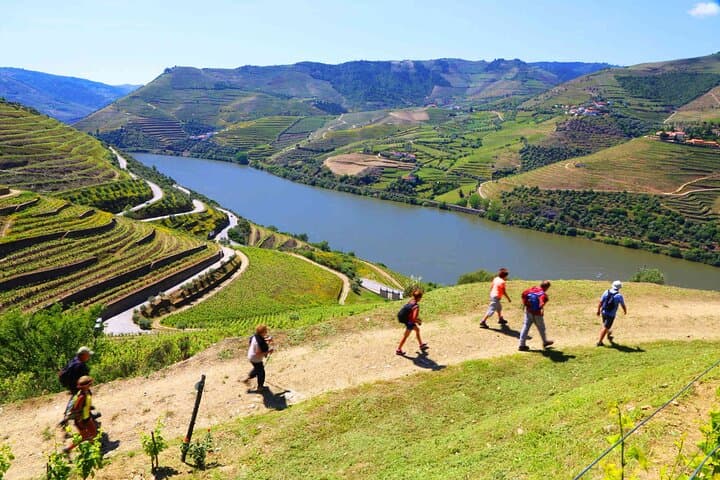
A first pause in Amarante lets travelers step onto cobbles beside the Tâmega, where the São Gonçalo bridge and church mark centuries of local life. The road then climbs into the valley proper: terraced schist slopes, rooted vines, and the river that seems to insist you slow down and look.
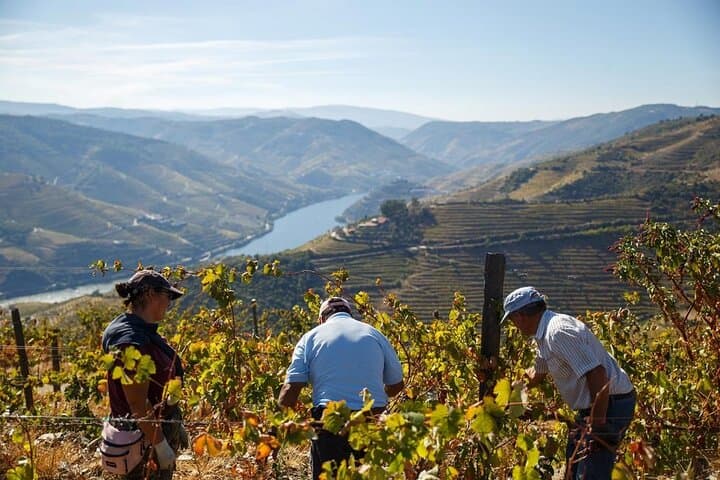
Geology here is simple and dramatic—ancient schist shaped into narrow shelves that forced generations to farm by hand, producing the distinct Port and Douro table wines. Culturally, the valley blends rural viticulture with riverine trade; stations and quintas (family estates) hold stories of seasonal harvests, cooperage and fortified wine commerce.
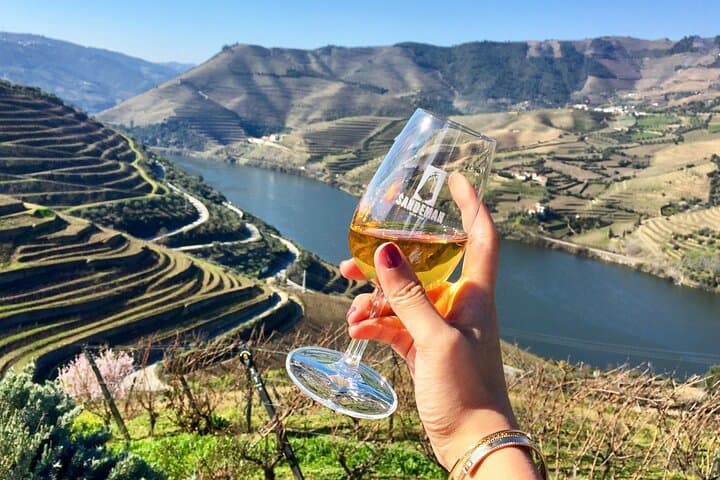
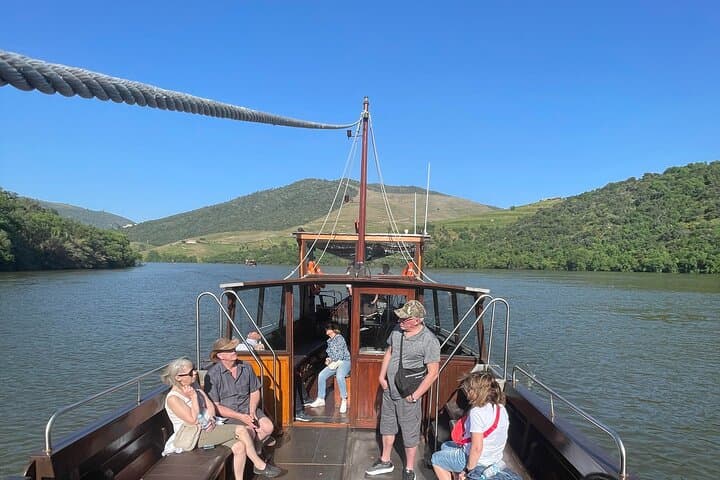
On this private itinerary expect structured tasting at a working quinta, a traditional multi-course Portuguese lunch, and a one-hour boat cruise that places the vineyards at eye level. If schedules align, a riverside train segment to Pinhão or Peso da Régua offers a relaxed vantage point along the tracks.
Practicalities: the day is long (about 9–12 hours) but low-impact—most walking is light and on even surfaces at estates and towns. Bring sun protection and comfortable shoes for uneven stonework, and carry any dietary restrictions when you book. Trains run on fixed timetables; the operator will substitute road transit if necessary.
The overall rhythm of the trip is slow: the river pulls you forward, the hills hold their age, and wine obliges a careful, appreciative pace.
easy.
9–12 hours.
Suitable for most fitness levels; mostly seated travel with short, gentle walks at stops.
Private pickup from central Porto is typically included—confirm your pickup point during booking.
Children may join the tour, but alcoholic tastings are only for travelers 18+; minors will receive non-alcoholic options.
If train schedules don’t permit the ride, the operator substitutes road travel while keeping the same scenic stops and timings.
Yes—vegetarian and vegan options can be provided if indicated at booking; note any allergies in the special requirements field.
The Douro Valley is one of the world's oldest demarcated wine regions, shaped by centuries of terraced viticulture and the historic trade in Port wine that tied valleys to coastal Porto.
Stewardship focuses on preventing terrace erosion and promoting sustainable viticulture; visitors can reduce impact by staying on paths and supporting local quintas that follow conservation practices.
North Side operates guided outdoor trips and adventures with an emphasis on safety, stewardship, and memorable experiences.
The Douro unfurls like a slow ribbon of glass between steep, vineyard-stitched hills as your private vehicle eases out of Porto and the city’s slate roofs recede.
The Douro unfurls like a slow ribbon of glass between steep, vineyard-stitched hills as your private vehicle eases out of Porto and the city’s slate roofs recede.
A first pause in Amarante lets travelers step onto cobbles beside the Tâmega, where the São Gonçalo bridge and church mark centuries of local life. The road then climbs into the valley proper: terraced schist slopes, rooted vines, and the river that seems to insist you slow down and look.
Geology here is simple and dramatic—ancient schist shaped into narrow shelves that forced generations to farm by hand, producing the distinct Port and Douro table wines. Culturally, the valley blends rural viticulture with riverine trade; stations and quintas (family estates) hold stories of seasonal harvests, cooperage and fortified wine commerce.
On this private itinerary expect structured tasting at a working quinta, a traditional multi-course Portuguese lunch, and a one-hour boat cruise that places the vineyards at eye level. If schedules align, a riverside train segment to Pinhão or Peso da Régua offers a relaxed vantage point along the tracks.
Practicalities: the day is long (about 9–12 hours) but low-impact—most walking is light and on even surfaces at estates and towns. Bring sun protection and comfortable shoes for uneven stonework, and carry any dietary restrictions when you book. Trains run on fixed timetables; the operator will substitute road transit if necessary.
The overall rhythm of the trip is slow: the river pulls you forward, the hills hold their age, and wine obliges a careful, appreciative pace.