THE ADVENTURE COLLECTIVE® · Independent discovery and booking for outdoor travel

Spend a day from Porto exploring the Douro Valley’s terraced vineyards, Port cellars, and a traditional rabelo boat cruise. This private tour pairs history and tasting with panoramic viewpoints and artisan farm visits.
Spend a day from Porto exploring the Douro Valley’s terraced vineyards, Port cellars, and a traditional rabelo boat cruise. This private tour pairs history and tasting with panoramic viewpoints and artisan farm visits.
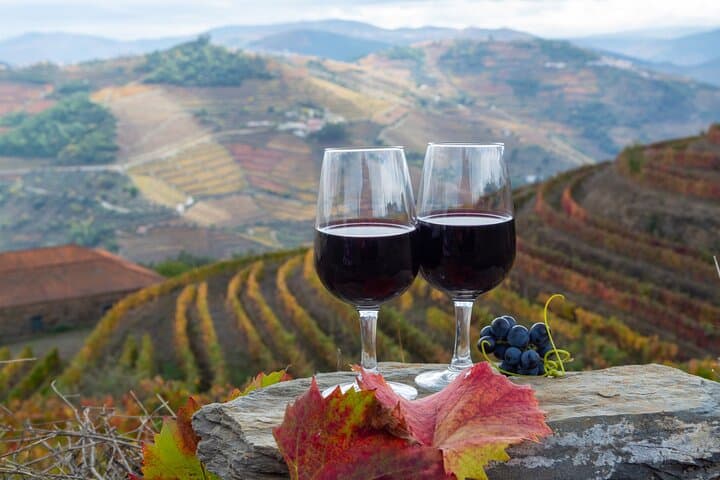
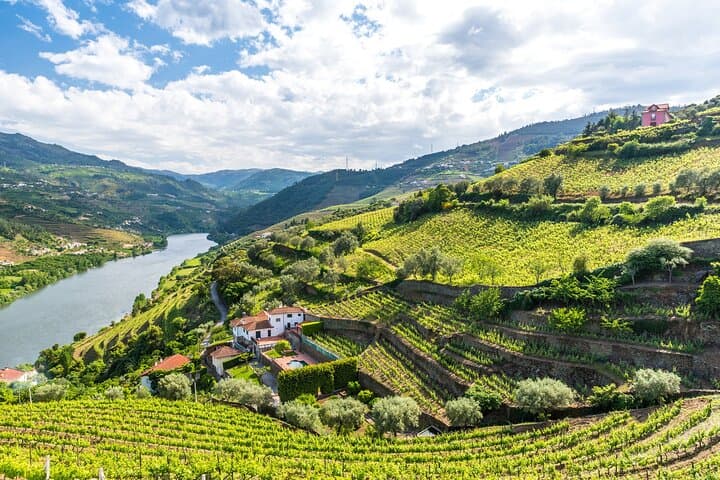
You leave Porto as the city gives way to low mountains and a ribbon of river that dares you to pay attention. The road climbs, curves and unfolds terraces carved into steep schist—rows of vines stepping down to the Douro River—while light slides across ceramic-roofed quintas. By midmorning the valley’s scale becomes clear: a working landscape shaped by centuries of human hands and the geology beneath them.
Verified experiences and guided adventures in the surrounding area.
Operated by taxiGo.online - Booking Transfer & Taxi · Pinhão, Vila Real District
You leave Porto as the city gives way to low mountains and a ribbon of river that dares you to pay attention. The road climbs, curves and unfolds terraces carved into steep schist—rows of vines stepping down to the Douro River—while light slides across ceramic-roofed quintas. By midmorning the valley’s scale becomes clear: a working landscape shaped by centuries of human hands and the geology beneath them.
This stretch of northern Portugal is a UNESCO World Heritage Site for good reason. The terraces are built on fractured schist that forces vines to root deep and produce concentrated fruit—exactly what made Port wine famous in the 18th and 19th centuries. Local families still run many quintas, pressing grapes, aging fortified wine in cedar vats, and trading stories over a glass. Boatmen once ferried casks on flat-bottomed rabelo boats; today those boats offer a slower, photographic view of the river’s bends.
Expect a balanced day: winery history and tastings, a short river cruise from Pinhão, a regional lunch, and a lookout with sweeping views for a late-afternoon shot. Cultural notes—listen for stories about vinho verde vs. Port, try a cheese pairing, and respect tasting portions to stay fresh for the drive back.
Practical guidance: book a morning pickup from Porto to maximize light, wear comfortable shoes for gravel and cellar steps, carry sun protection and a refillable bottle, and leave room in your schedule for unplanned stops at family-run producers. The tour is relaxed but full; use the guide’s local knowledge to prioritize the wines or viewpoints you most want to see.
easy.
9 hours.
Suitable for most fitness levels—requires light walking on uneven surfaces and stairs in cellars.
The tour is approximately 9 hours (540 minutes) and typically includes pickup and drop-off in Porto at your hotel or agreed address.
Tastings and the traditional barco rabelo cruise are included as described in the itinerary; specific quintas and menus depend on bookings that day.
Yes—infant seats are available and the tour is described as physically easy, but plan tasting expectations and meal choices accordingly.
Yes; the operator requests dietary needs at booking so they can arrange appropriate regional dishes or alternatives when possible.
The Douro’s terraced vineyards date back centuries and were formalized as a commercial Port region in the 18th century; the rabelo boat became the river’s cargo vessel for casks of wine.
Terraced viticulture and steep slopes are fragile—visitors should stick to paths, avoid trampling vine rows, and support small producers who use sustainable practices.
taxiGo.online - Booking Transfer & Taxi operates guided outdoor trips and adventures with an emphasis on safety, stewardship, and memorable experiences.

You leave Porto as the city gives way to low mountains and a ribbon of river that dares you to pay attention. The road climbs, curves and unfolds terraces carved into steep schist—rows of vines stepping down to the Douro River—while light slides across ceramic-roofed quintas. By midmorning the valley’s scale becomes clear: a working landscape shaped by centuries of human hands and the geology beneath them.
You leave Porto as the city gives way to low mountains and a ribbon of river that dares you to pay attention. The road climbs, curves and unfolds terraces carved into steep schist—rows of vines stepping down to the Douro River—while light slides across ceramic-roofed quintas. By midmorning the valley’s scale becomes clear: a working landscape shaped by centuries of human hands and the geology beneath them.
This stretch of northern Portugal is a UNESCO World Heritage Site for good reason. The terraces are built on fractured schist that forces vines to root deep and produce concentrated fruit—exactly what made Port wine famous in the 18th and 19th centuries. Local families still run many quintas, pressing grapes, aging fortified wine in cedar vats, and trading stories over a glass. Boatmen once ferried casks on flat-bottomed rabelo boats; today those boats offer a slower, photographic view of the river’s bends.
Expect a balanced day: winery history and tastings, a short river cruise from Pinhão, a regional lunch, and a lookout with sweeping views for a late-afternoon shot. Cultural notes—listen for stories about vinho verde vs. Port, try a cheese pairing, and respect tasting portions to stay fresh for the drive back.
Practical guidance: book a morning pickup from Porto to maximize light, wear comfortable shoes for gravel and cellar steps, carry sun protection and a refillable bottle, and leave room in your schedule for unplanned stops at family-run producers. The tour is relaxed but full; use the guide’s local knowledge to prioritize the wines or viewpoints you most want to see.