THE ADVENTURE COLLECTIVE® · Independent discovery and booking for outdoor travel

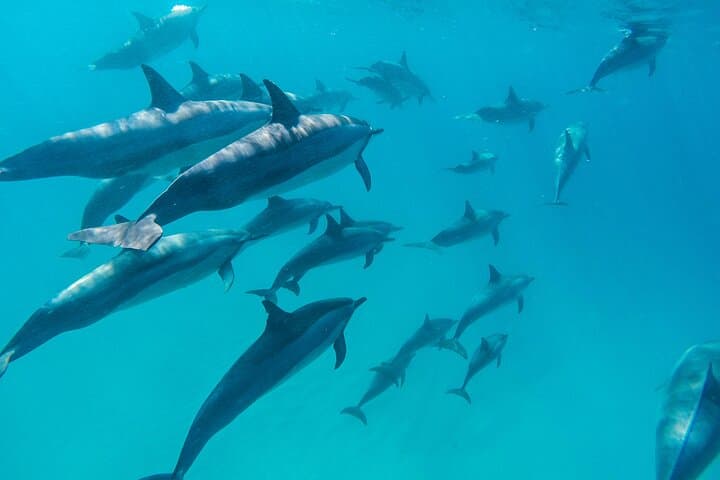
Depart from Sunset Boulevard in the north for a private speedboat run toward the west coast—where spinner and bottlenose dolphins commonly appear. This full‑day trip mixes coastal sightseeing, snorkeling stops, and guided dolphin viewing.
Depart from Sunset Boulevard in the north for a private speedboat run toward the west coast—where spinner and bottlenose dolphins commonly appear. This full‑day trip mixes coastal sightseeing, snorkeling stops, and guided dolphin viewing.
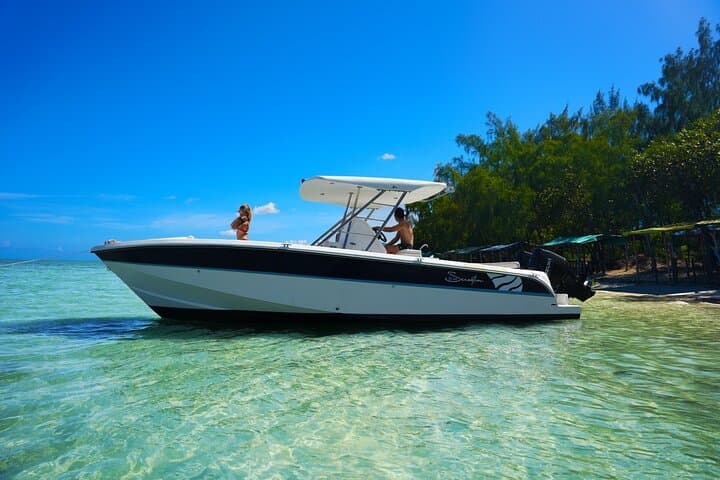
The bow cuts a line through glassy blue as the northern coast of Mauritius slips aft—palm-fringed headlands and the sharp silhouette of distant mountains framing the horizon. You step onto the speedboat at Sunset Boulevard, the engine’s thrum promising movement; seabirds wheel around basalt cliffs and the crew eyes the swell for signs of movement. Moments later, a slick of dorsal fins appears: dolphins arcing and spinning, curious about the intrusion.
Verified experiences and guided adventures in the surrounding area.
Operated by Blue Safari Submarine · Grand Baie, Rivière du Rempart
The bow cuts a line through glassy blue as the northern coast of Mauritius slips aft—palm-fringed headlands and the sharp silhouette of distant mountains framing the horizon. You step onto the speedboat at Sunset Boulevard, the engine’s thrum promising movement; seabirds wheel around basalt cliffs and the crew eyes the swell for signs of movement. Moments later, a slick of dorsal fins appears: dolphins arcing and spinning, curious about the intrusion.
Mauritius’ northwest and west coasts are shaped by volcanic flows and reef systems that create pockets of calm water and channels where currents concentrate fish—exactly what draws dolphins. The island’s maritime culture blends French, Creole and Indian influences; local skippers read the sea the way older generations read sugarcane fields. Albion’s cliffs, visible on this route, are a good marker for bird activity and coastline shifts.
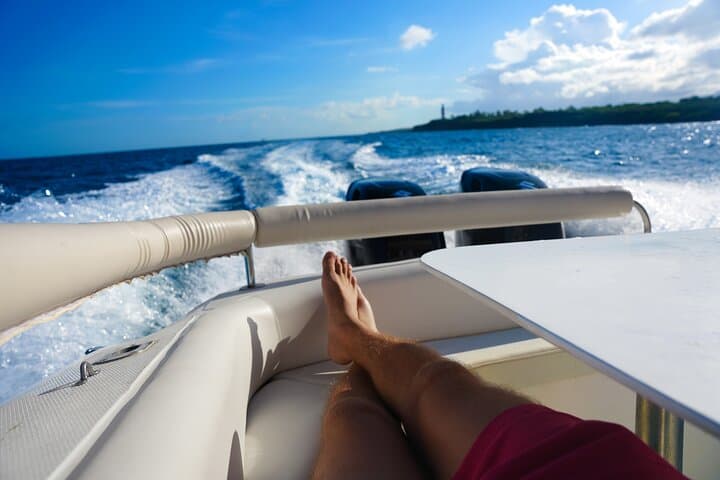
On a practical level, the trip is a full-day coastal run (about 6–7 hours). Expect open-deck seating, occasional speed sections, and time for snorkeling when conditions allow—operators often include masks and fins. Seas can be chop-prone in the afternoon; mornings tend to be flatter and offer better dolphin encounters.
Bring sun protection, a light wind layer, and seasickness remedies if you’re sensitive. Respect the animals: keep distance if the skipper instructs, and avoid swimming directly into pods. Photography works best with a fast shutter and a wide lens for action shots.
This tour is accessible for most travelers and pairs well with an overnight in Grand Baie—an easy base for exploring northern beaches and local seafood restaurants after a day on the water.
easy.
6–7 hours.
Suitable for most fitness levels; requires ability to step on/off a boat and stand on a moving deck for short periods.
Swim-with options depend on local regulations and the dolphins’ behavior; your skipper will advise—sometimes the pods allow brief snorkeling near them, other times observation from the boat is required.
Dolphins can be seen year-round, but calmer seas and clearer water in the cooler, drier months (May–October) often improve visibility and encounter consistency.
Most operators include snorkel gear and light refreshments on this tour—confirm specific inclusions when you book.
Yes: the operator notes stroller access and infants must sit on laps; young children should wear life jackets and be supervised at all times.
Mauritius’ coastal routes mirror centuries of seafaring trade; today’s boatmen continue island traditions of reading currents and bird life to find feeding aggregations.
Operators should follow responsible viewing guidelines—avoid chasing pods, limit swim interactions, and use reef-safe sunscreen to minimize impact on coral and marine life.
Blue Safari Submarine operates guided outdoor trips and adventures with an emphasis on safety, stewardship, and memorable experiences.
The bow cuts a line through glassy blue as the northern coast of Mauritius slips aft—palm-fringed headlands and the sharp silhouette of distant mountains framing the horizon. You step onto the speedboat at Sunset Boulevard, the engine’s thrum promising movement; seabirds wheel around basalt cliffs and the crew eyes the swell for signs of movement. Moments later, a slick of dorsal fins appears: dolphins arcing and spinning, curious about the intrusion.
The bow cuts a line through glassy blue as the northern coast of Mauritius slips aft—palm-fringed headlands and the sharp silhouette of distant mountains framing the horizon. You step onto the speedboat at Sunset Boulevard, the engine’s thrum promising movement; seabirds wheel around basalt cliffs and the crew eyes the swell for signs of movement. Moments later, a slick of dorsal fins appears: dolphins arcing and spinning, curious about the intrusion.
Mauritius’ northwest and west coasts are shaped by volcanic flows and reef systems that create pockets of calm water and channels where currents concentrate fish—exactly what draws dolphins. The island’s maritime culture blends French, Creole and Indian influences; local skippers read the sea the way older generations read sugarcane fields. Albion’s cliffs, visible on this route, are a good marker for bird activity and coastline shifts.
On a practical level, the trip is a full-day coastal run (about 6–7 hours). Expect open-deck seating, occasional speed sections, and time for snorkeling when conditions allow—operators often include masks and fins. Seas can be chop-prone in the afternoon; mornings tend to be flatter and offer better dolphin encounters.
Bring sun protection, a light wind layer, and seasickness remedies if you’re sensitive. Respect the animals: keep distance if the skipper instructs, and avoid swimming directly into pods. Photography works best with a fast shutter and a wide lens for action shots.
This tour is accessible for most travelers and pairs well with an overnight in Grand Baie—an easy base for exploring northern beaches and local seafood restaurants after a day on the water.