THE ADVENTURE COLLECTIVE® · Independent discovery and booking for outdoor travel

Glide through Charleston’s tidal creeks on a private two-hour boat tour that seeks dolphins, explores oyster beds, and skirts the iconic Morris Island Lighthouse. Captained by an eighth‑generation Charlestonian, this outing blends wildlife viewing with local history and estuarine insight.
Glide through Charleston’s tidal creeks on a private two-hour boat tour that seeks dolphins, explores oyster beds, and skirts the iconic Morris Island Lighthouse. Captained by an eighth‑generation Charlestonian, this outing blends wildlife viewing with local history and estuarine insight.
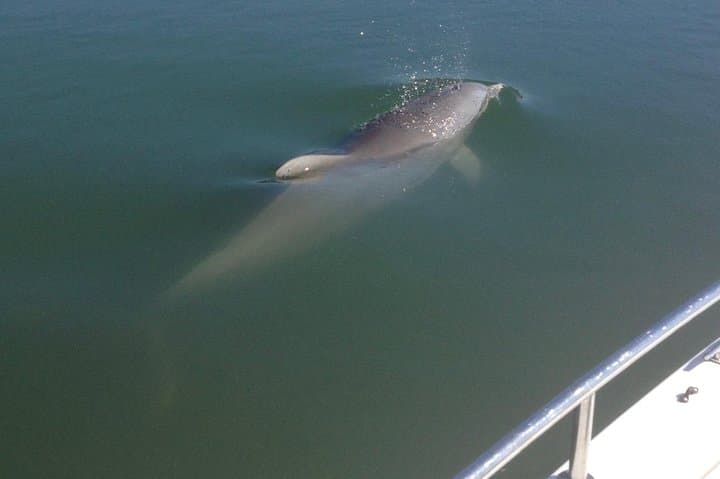
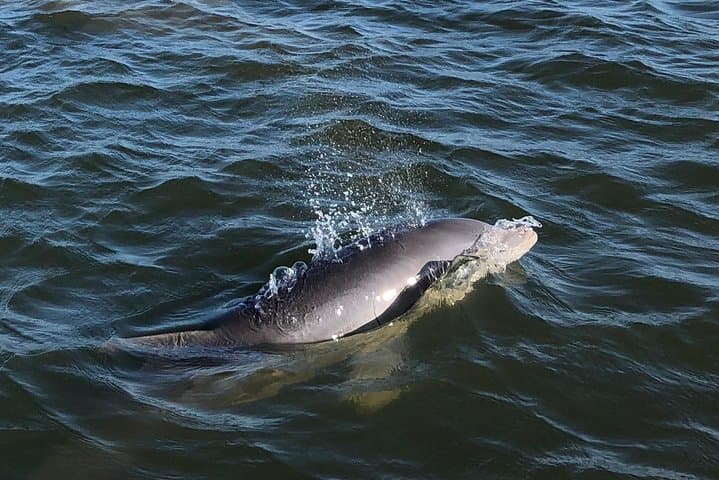
The engine hums low as the boat slips under the Lee Westbury Bridge and into a quilt of tidal creeks. Salt marsh rails brush past like a slow-moving wall of green; oysters cling to exposed pilings and the channel narrows into a cathedral of cordgrass. A dorsal fin breaks the surface, curious and deliberate, then a small pod arcs through the wake, as if the estuary itself is nudging you forward.
Verified experiences and guided adventures in the surrounding area.
Operated by Absolute Reel Screamer Charters · Folly Beach, South Carolina
The engine hums low as the boat slips under the Lee Westbury Bridge and into a quilt of tidal creeks. Salt marsh rails brush past like a slow-moving wall of green; oysters cling to exposed pilings and the channel narrows into a cathedral of cordgrass. A dorsal fin breaks the surface, curious and deliberate, then a small pod arcs through the wake, as if the estuary itself is nudging you forward.
This two-hour private cruise from Folly Beach is more than a sightseeing run — it’s a local’s passage through the tidal veins that have fed Charleston for centuries. Captain Gresh Meggett, an eighth-generation Charlestonian, pilots these waters the way other captains read charts. He knows the eddies where bottlenose dolphins hunt, the oyster bars that mark former channels, and the shell-strewn shoulders of Morris Island where Civil War-era fragments wash up with the tide.
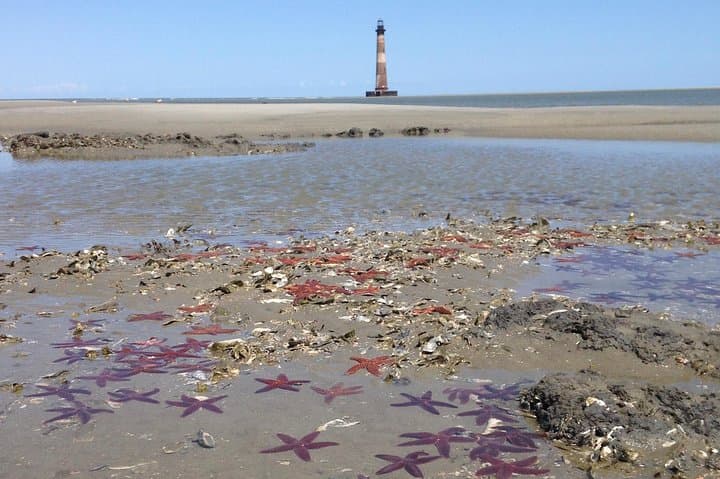
Geologically, the estuary is young and active: sand and silt rearrange with every storm, migrating islands and reshaping the harbor approach. Morris Island Lighthouse, standing off the spit, is a faded landmark born of those shifting sands — a maritime beacon that has guided ships since the 19th century and now stands as a weathered outline against wide sky.
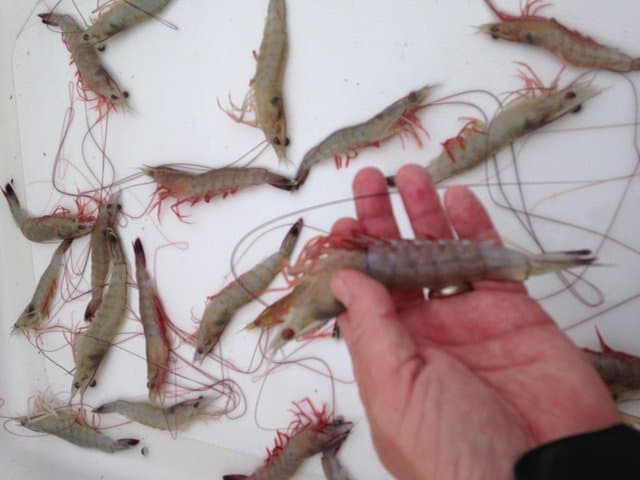
Culturally, these waters carry shrimpers’ shouts, the rhythms of oyster harvest, and a deep local attachment to living shorelines. The tour threads natural history with human history, from shell middens to scenes of coastal resilience, all told at a pace that lets wildlife take center stage.
Practical details: tours are private, two hours long, and appropriate for all fitness levels — infants, kids and service animals are allowed. Meet at the boat landing parking lot just after crossing Lee Westbury Bridge; you’ll see trucks and trailers. Summer trips favor early departures to avoid heat and afternoon chop; spring and fall offer calmer seas and active birdlife. Bring sun protection, a wind layer, and binoculars for spotting dolphins and terns. Motion-sickness medication is smart if you’re sensitive to swell.
Expect close dolphin encounters but remember the animals set the distance. The captain will slow and circle when dolphins approach, and there’s time to step ashore for shells at Morris Island depending on tides and conditions. Booking is instant, cancellation is allowed up to 24 hours ahead, and the experience is ideal for families who want a private, interpretive outing rather than a crowded sightseeing run.
On the water the marsh talks — tides dictate the route, birds punctuate the silence, and the lighthouse waits like an old mariner watching over a living coastline. The trip is both a morning’s escape and a concise lesson in why Charleston’s estuaries matter.
easy.
2 hours.
Minimal fitness required — tours are seated and suitable for children and those with limited mobility
Dolphins are common in these estuaries and most trips encounter them, but sightings can’t be guaranteed — they’re wild animals and control the distance.
Shore landings depend on tides, weather, and wildlife protections; the captain will advise if a safe, permitted stop is possible that day.
Meet at the boat landing parking lot just after crossing the Lee Westbury Bridge — you’ll see boats, trucks and trailers on the right.
Yes — the tour is family-friendly and service animals are welcome; small children can ride in strollers but must be supervised on deck.
Full refunds are available for cancellations at least 24 hours before departure; trips may be canceled for bad weather.
The captain will navigate to good viewing positions but remains mindful of protected areas and safety — expect excellent sightlines rather than physically docking at the lighthouse.
Charleston’s tidal estuaries have supported Indigenous shellfishing and colonial commerce for centuries; Morris Island Lighthouse dates to the 19th century and marks a historically important harbor approach.
These estuaries are sensitive to boat wakes, erosion and oyster reef loss; operators emphasize slow speeds in marsh channels and encourage no-touch wildlife viewing to minimize impact.
Absolute Reel Screamer Charters operates guided outdoor trips and adventures with an emphasis on safety, stewardship, and memorable experiences.
The engine hums low as the boat slips under the Lee Westbury Bridge and into a quilt of tidal creeks. Salt marsh rails brush past like a slow-moving wall of green; oysters cling to exposed pilings and the channel narrows into a cathedral of cordgrass. A dorsal fin breaks the surface, curious and deliberate, then a small pod arcs through the wake, as if the estuary itself is nudging you forward.
The engine hums low as the boat slips under the Lee Westbury Bridge and into a quilt of tidal creeks. Salt marsh rails brush past like a slow-moving wall of green; oysters cling to exposed pilings and the channel narrows into a cathedral of cordgrass. A dorsal fin breaks the surface, curious and deliberate, then a small pod arcs through the wake, as if the estuary itself is nudging you forward.
This two-hour private cruise from Folly Beach is more than a sightseeing run — it’s a local’s passage through the tidal veins that have fed Charleston for centuries. Captain Gresh Meggett, an eighth-generation Charlestonian, pilots these waters the way other captains read charts. He knows the eddies where bottlenose dolphins hunt, the oyster bars that mark former channels, and the shell-strewn shoulders of Morris Island where Civil War-era fragments wash up with the tide.
Geologically, the estuary is young and active: sand and silt rearrange with every storm, migrating islands and reshaping the harbor approach. Morris Island Lighthouse, standing off the spit, is a faded landmark born of those shifting sands — a maritime beacon that has guided ships since the 19th century and now stands as a weathered outline against wide sky.
Culturally, these waters carry shrimpers’ shouts, the rhythms of oyster harvest, and a deep local attachment to living shorelines. The tour threads natural history with human history, from shell middens to scenes of coastal resilience, all told at a pace that lets wildlife take center stage.
Practical details: tours are private, two hours long, and appropriate for all fitness levels — infants, kids and service animals are allowed. Meet at the boat landing parking lot just after crossing Lee Westbury Bridge; you’ll see trucks and trailers. Summer trips favor early departures to avoid heat and afternoon chop; spring and fall offer calmer seas and active birdlife. Bring sun protection, a wind layer, and binoculars for spotting dolphins and terns. Motion-sickness medication is smart if you’re sensitive to swell.
Expect close dolphin encounters but remember the animals set the distance. The captain will slow and circle when dolphins approach, and there’s time to step ashore for shells at Morris Island depending on tides and conditions. Booking is instant, cancellation is allowed up to 24 hours ahead, and the experience is ideal for families who want a private, interpretive outing rather than a crowded sightseeing run.
On the water the marsh talks — tides dictate the route, birds punctuate the silence, and the lighthouse waits like an old mariner watching over a living coastline. The trip is both a morning’s escape and a concise lesson in why Charleston’s estuaries matter.