THE ADVENTURE COLLECTIVE® · Independent discovery and booking for outdoor travel

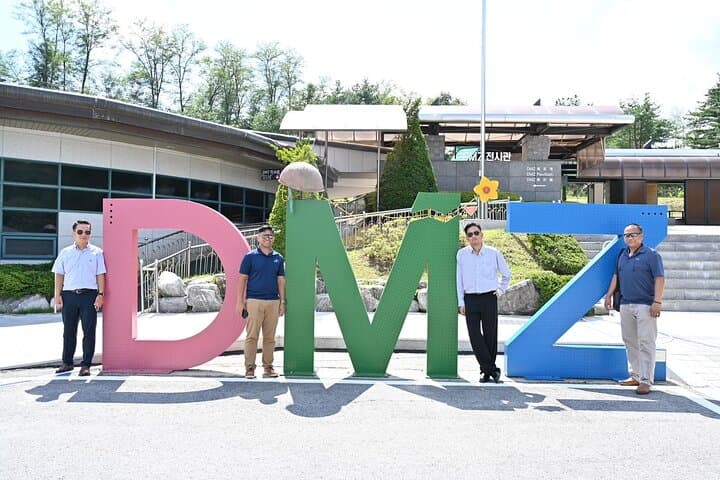
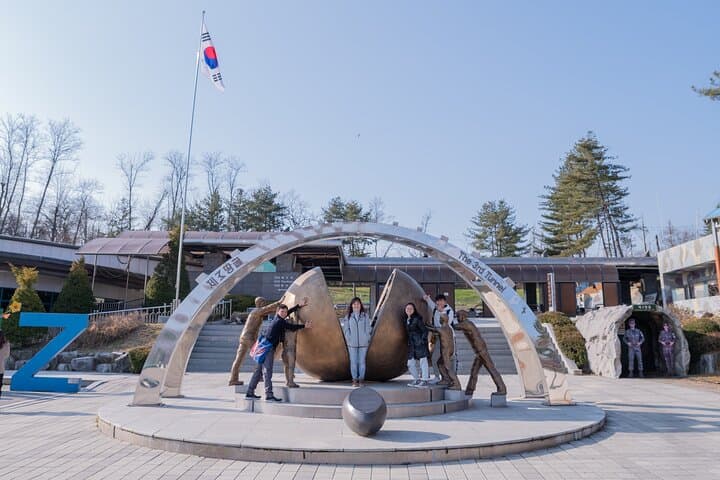
This private DMZ day tour moves from Imjingak’s Freedom Bridge through the Third Infiltration Tunnel and Dora Observatory, then finishes with your choice of the War Memorial Hall or Mt. Gamak suspension bridge. Expect military checkpoints, guided context, and a full-day, van-based itinerary.
This private DMZ day tour moves from Imjingak’s Freedom Bridge through the Third Infiltration Tunnel and Dora Observatory, then finishes with your choice of the War Memorial Hall or Mt. Gamak suspension bridge. Expect military checkpoints, guided context, and a full-day, van-based itinerary.
The van pulls away from Seoul before dawn and the road straightens; fields thin, and the border’s silence grows louder than any explanation. By midmorning you stand where the country’s division becomes concrete: the Freedom Bridge, scarred rails of the DMZ train, and a ticket office that funnels visitors toward a place where history still presses close.
Verified experiences and guided adventures in the surrounding area.
Operated by Korea Travel Experts · Paju, Gyeonggi-do
The van pulls away from Seoul before dawn and the road straightens; fields thin, and the border’s silence grows louder than any explanation. By midmorning you stand where the country’s division becomes concrete: the Freedom Bridge, scarred rails of the DMZ train, and a ticket office that funnels visitors toward a place where history still presses close.
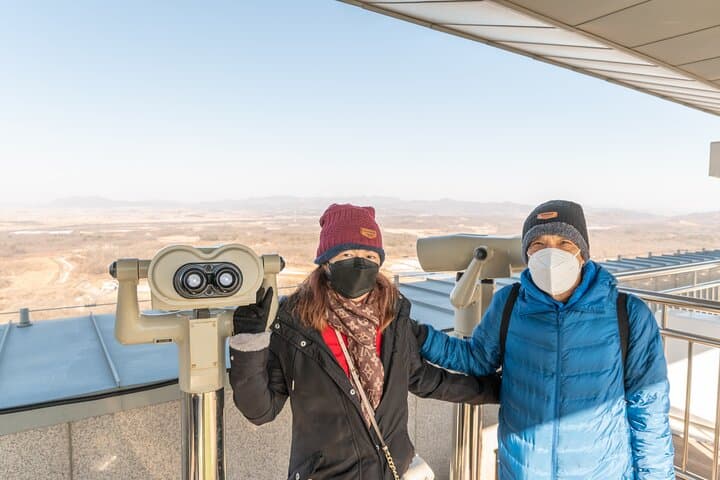
This tour threads modern memory and Cold War geology — tunnels bored through granite to move troops, observatories placed on ridgelines to peer across a fenced no-man’s-land, and memorial halls that curate loss alongside national narratives. The DMZ area is as much cultural ground as military: ceremonies at the Unification Altar and displays in the War Memorial Hall explain civilian experiences as much as strategy. Outside the exclusion zone, the land’s slow processes have created wide rice paddies and scrubby river plains that now host migratory birds and resilient grasses, giving the borderland an uneasy natural life.
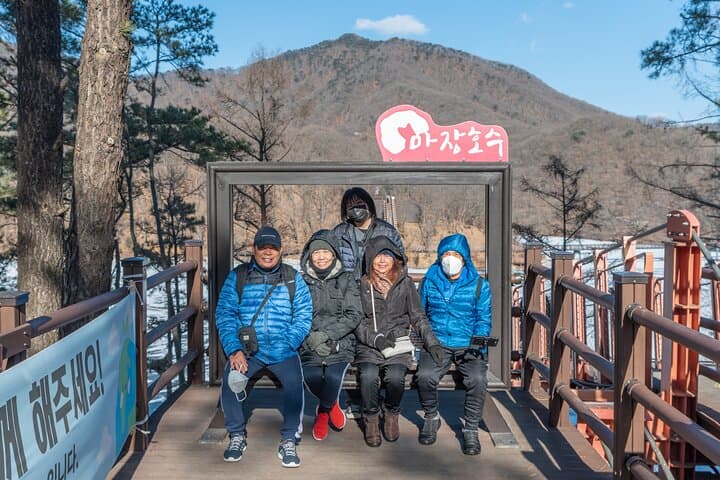
Practical guidance: bring your passport for ID checks, wear closed shoes for the tunnel descent and short walks, and expect metal detectors and military protocol at checkpoints. The private format means your specialist can swap the afternoon between a focused visit to the War Memorial Hall — a curated museum experience — or a walk to the Mt. Gamak suspension bridge for a change of scenery and a coffee at a nearby bakery.
Plan for a full-day schedule (about 10 hours), modest physical demand, and variable visibility at observatories; keep conversation respectful around memorial sites and follow all guide and MP instructions to move safely through a landscape shaped by politics and persistence.
easy.
10 hours.
Suitable for most fitness levels—tour is van-based with short walks and stair descents into the tunnel.
Yes—official photo ID (passport for most international visitors) is mandatory for military checkpoints and tunnel entry.
Yes—the tour is private and mainly van-based with short, manageable walks; notify the operator of mobility needs when booking.
Yes—this private tour lets you pick between the War Memorial Hall or Mt. Gamak suspension bridge; tell your guide your preference during the day.
Photography rules vary by site and military instructions—follow signs and your guide’s directions; some areas restrict photos for security reasons.
The Korean Demilitarized Zone was established by the 1953 armistice; many sites on tours reflect prisoner exchanges, tunnel discoveries, and civil memory.
The restricted zone has become an accidental refuge for wildlife; visitors should stay on designated paths and avoid disturbing habitats to reduce impact.
Korea Travel Experts operates guided outdoor trips and adventures with an emphasis on safety, stewardship, and memorable experiences.
The van pulls away from Seoul before dawn and the road straightens; fields thin, and the border’s silence grows louder than any explanation. By midmorning you stand where the country’s division becomes concrete: the Freedom Bridge, scarred rails of the DMZ train, and a ticket office that funnels visitors toward a place where history still presses close.
The van pulls away from Seoul before dawn and the road straightens; fields thin, and the border’s silence grows louder than any explanation. By midmorning you stand where the country’s division becomes concrete: the Freedom Bridge, scarred rails of the DMZ train, and a ticket office that funnels visitors toward a place where history still presses close.
This tour threads modern memory and Cold War geology — tunnels bored through granite to move troops, observatories placed on ridgelines to peer across a fenced no-man’s-land, and memorial halls that curate loss alongside national narratives. The DMZ area is as much cultural ground as military: ceremonies at the Unification Altar and displays in the War Memorial Hall explain civilian experiences as much as strategy. Outside the exclusion zone, the land’s slow processes have created wide rice paddies and scrubby river plains that now host migratory birds and resilient grasses, giving the borderland an uneasy natural life.
Practical guidance: bring your passport for ID checks, wear closed shoes for the tunnel descent and short walks, and expect metal detectors and military protocol at checkpoints. The private format means your specialist can swap the afternoon between a focused visit to the War Memorial Hall — a curated museum experience — or a walk to the Mt. Gamak suspension bridge for a change of scenery and a coffee at a nearby bakery.
Plan for a full-day schedule (about 10 hours), modest physical demand, and variable visibility at observatories; keep conversation respectful around memorial sites and follow all guide and MP instructions to move safely through a landscape shaped by politics and persistence.