THE ADVENTURE COLLECTIVE® · Independent discovery and booking for outdoor travel

Travel a short distance from Seoul to stand at Korea’s most visible divide. This private DMZ tour pairs the Third Tunnel, Dora Observatory and Imjingak’s memorials into an eight‑hour, security‑guided exploration of modern Korean history.
Travel a short distance from Seoul to stand at Korea’s most visible divide. This private DMZ tour pairs the Third Tunnel, Dora Observatory and Imjingak’s memorials into an eight‑hour, security‑guided exploration of modern Korean history.
The bus eases out of Seoul and the city’s roar gives way to wind and low, folded hills; the Imjin River dares you to look across. On a private DMZ tour from Seoul, visitors move quietly through check points and history — the landscape itself feels like a border guard, watching and patient.
Verified experiences and guided adventures in the surrounding area.
Operated by VIP TRAVEL Co.Ltd · Paju, Gyeonggi-do
The bus eases out of Seoul and the city’s roar gives way to wind and low, folded hills; the Imjin River dares you to look across. On a private DMZ tour from Seoul, visitors move quietly through check points and history — the landscape itself feels like a border guard, watching and patient.
This tour threads together Cold War sites concentrated around Paju: Imjingak Park’s Peace Bell and windmills, the rusted steam locomotive at Jangdan Station, Mangbaedan memorials, the Bridge of Freedom and the Unification Bridge. Geology here is simple: low, granitic hills and river valleys shaped by millennia of runoff, now framed by barbed wire and concrete observation posts. Culture and memory are the itinerary’s core — families, soldiers and historians share the same view of a divided peninsula.
Highlights include the Third Tunnel of Aggression — a narrow, coal-streaked excavation tunneled toward Seoul — and Dora Observatory, where binoculars pick out North Korea’s propaganda village and distant rooftop silhouettes. Guides provide context: post‑1953 armistice boundaries, the Civilian Control Line, and the human stories that animate those raw facts.
Practical guidance: bring your passport (required), wear sturdy closed shoes for the tunnel descent, and plan for security-driven schedule changes. Photography has restrictions at certain points; follow your guide and military signage. The full private itinerary runs about eight hours with hotel pickup in central Seoul; it’s best timed for clear days when views to the north cut sharp and the air is still. For travelers interested in contemporary geopolitics and living history, this is a concentrated, accessible field lesson at Korea’s edge.
easy.
8 hours.
Suitable for most fitness levels; expect short walks, steps into the tunnel and some standing at viewpoints
Yes — a valid passport is required on the tour day for identity checks and military access.
Photography is allowed at many stops but can be restricted in certain areas; follow your guide and posted signage.
The tour is rated easy and suitable for most ages, though the tunnel has stairs and confined spaces that may be uncomfortable for some.
Stops are typical but can change due to military guidelines or weather; operators will notify guests if the schedule shifts.
This corridor marks the armistice line from 1953; many stops preserve artifacts and stories of family separation and military tension.
Visitors should stay on designated paths and avoid leaving waste; the DMZ area is strictly managed for security and ecological protection.
VIP TRAVEL Co.Ltd operates guided outdoor trips and adventures with an emphasis on safety, stewardship, and memorable experiences.
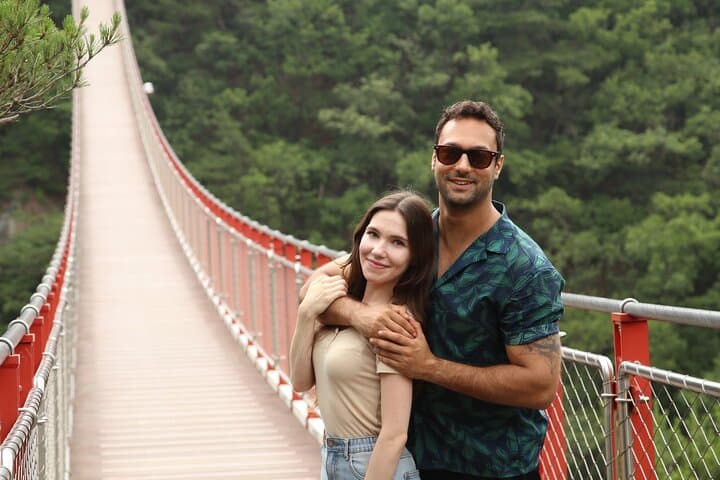

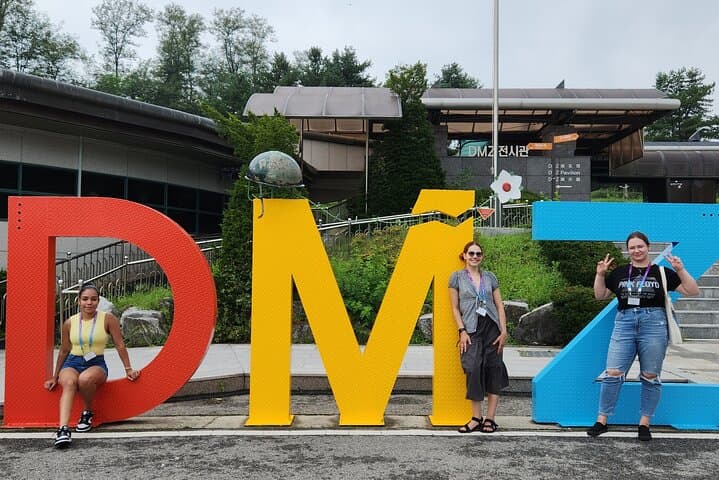

The bus eases out of Seoul and the city’s roar gives way to wind and low, folded hills; the Imjin River dares you to look across. On a private DMZ tour from Seoul, visitors move quietly through check points and history — the landscape itself feels like a border guard, watching and patient.
The bus eases out of Seoul and the city’s roar gives way to wind and low, folded hills; the Imjin River dares you to look across. On a private DMZ tour from Seoul, visitors move quietly through check points and history — the landscape itself feels like a border guard, watching and patient.
This tour threads together Cold War sites concentrated around Paju: Imjingak Park’s Peace Bell and windmills, the rusted steam locomotive at Jangdan Station, Mangbaedan memorials, the Bridge of Freedom and the Unification Bridge. Geology here is simple: low, granitic hills and river valleys shaped by millennia of runoff, now framed by barbed wire and concrete observation posts. Culture and memory are the itinerary’s core — families, soldiers and historians share the same view of a divided peninsula.
Highlights include the Third Tunnel of Aggression — a narrow, coal-streaked excavation tunneled toward Seoul — and Dora Observatory, where binoculars pick out North Korea’s propaganda village and distant rooftop silhouettes. Guides provide context: post‑1953 armistice boundaries, the Civilian Control Line, and the human stories that animate those raw facts.
Practical guidance: bring your passport (required), wear sturdy closed shoes for the tunnel descent, and plan for security-driven schedule changes. Photography has restrictions at certain points; follow your guide and military signage. The full private itinerary runs about eight hours with hotel pickup in central Seoul; it’s best timed for clear days when views to the north cut sharp and the air is still. For travelers interested in contemporary geopolitics and living history, this is a concentrated, accessible field lesson at Korea’s edge.