THE ADVENTURE COLLECTIVE® · Independent discovery and booking for outdoor travel

Travel to the Korean Demilitarized Zone on a private day tour from Seoul—explore the 3rd Tunnel, peer into North Korea from Dora Observatory, and visit the memorials at Imjingak with a guide who served in the ROK military.
Travel to the Korean Demilitarized Zone on a private day tour from Seoul—explore the 3rd Tunnel, peer into North Korea from Dora Observatory, and visit the memorials at Imjingak with a guide who served in the ROK military.
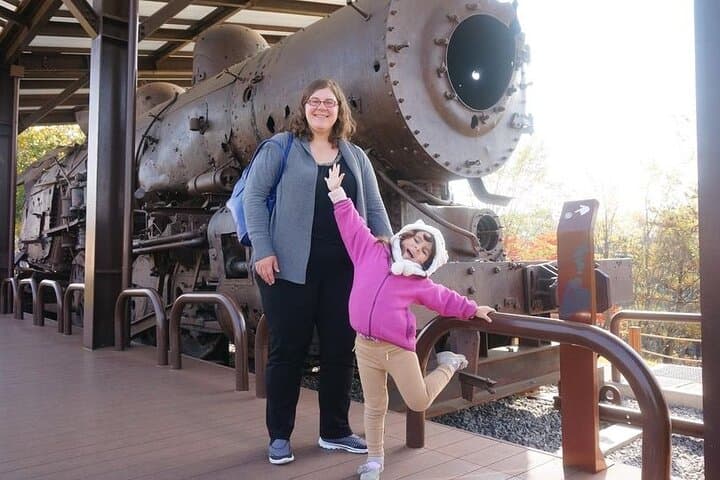
A low, wind-bent field opens as the coach threads north from Seoul, then the roadside signage thins and the world feels paused—this is the approach to the Demilitarized Zone (DMZ). On a private tour the vehicle becomes a buffer and a briefing room: maps spread, guides with army experience point to old rail lines, and the 38th parallel moves from abstract line on a map to a visible scar across the landscape.
Verified experiences and guided adventures in the surrounding area.
Operated by Ultimate Korea Tour - Private Day Tours · Paju, Gyeonggi-do
A low, wind-bent field opens as the coach threads north from Seoul, then the roadside signage thins and the world feels paused—this is the approach to the Demilitarized Zone (DMZ). On a private tour the vehicle becomes a buffer and a briefing room: maps spread, guides with army experience point to old rail lines, and the 38th parallel moves from abstract line on a map to a visible scar across the landscape.
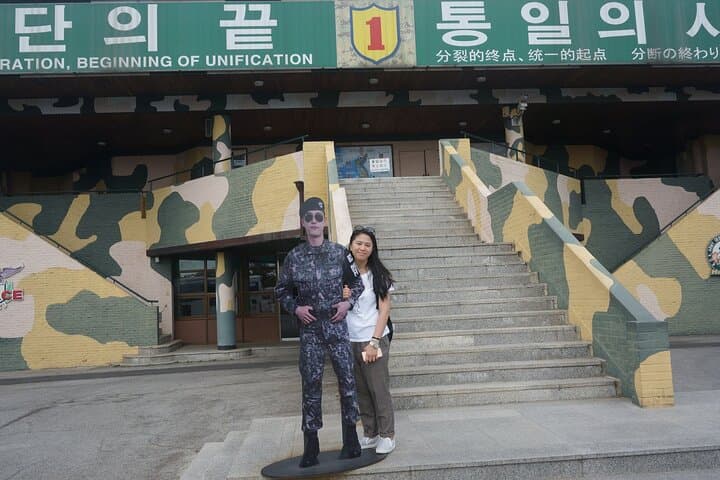
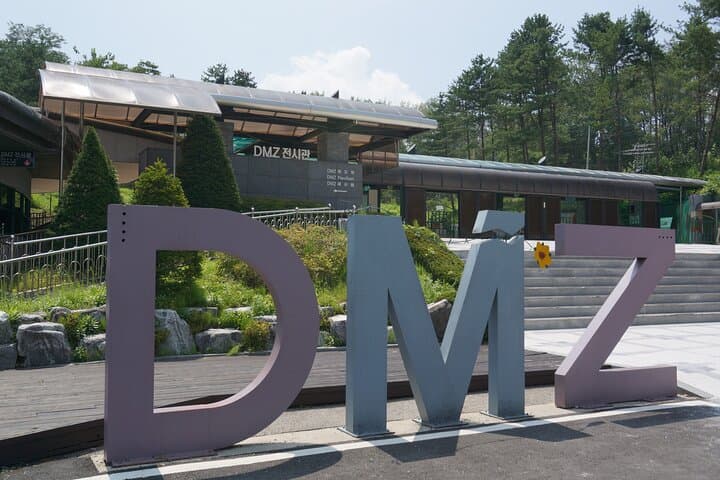
The DMZ preserves Cold War history and uncommon ecology. Visitors typically stop at the 3rd Infiltration Tunnel, where concrete walls and a carved passage tell of wartime tactics; Dora Observatory, where binoculars search for structures across the border; and Imjingak, with its Freedom Bridge and memorials that mark loss and longing. Nearby Heyri Art Village offers a softer counterpoint—galleries and cafés in former military-adjacent terrain.
Geology here is modest—rolling sedimentary lowlands cut by the Imjin River—but the enforced quiet has allowed nesting birds and rare plants to thrive. Cultural notes matter: many guides served in the ROK military and their firsthand stories frame what you see.
Practical guidance: tours run 7–8 hours from Seoul with hotel pickup; carry passport, wear sturdy shoes and layered clothing for variable winds, and bring small change for on-site cafes. Security checkpoints require ID and patient queues; photography restrictions apply at certain points. For a focused day trip, book a private guide with military experience to unlock context that turns observation into understanding.
moderate.
7–8 hours.
Light to moderate fitness to handle short on-site walks, steps in tunnels, and standing at observatories.
Yes—original passport is required at security checkpoints for all visitors; photocopies are not accepted.
Yes—Dora Observatory and some viewpoints allow visual access across the border, but spotting specific sites depends on visibility and restrictions.
This private tour includes entrance fees as stated, but incidental purchases like food or souvenirs are extra.
Children can join but expect strict security procedures; travelers with mobility issues should notify the operator—some sites have steps and narrow tunnel access.
The DMZ follows the 1953 armistice line; many tour stops preserve physical reminders of the Korean War and the peninsula's division.
Restricted access has created de facto wildlife refuges; visitors should follow established paths and avoid disturbing habitats to minimize impact.
Ultimate Korea Tour - Private Day Tours operates guided outdoor trips and adventures with an emphasis on safety, stewardship, and memorable experiences.

A low, wind-bent field opens as the coach threads north from Seoul, then the roadside signage thins and the world feels paused—this is the approach to the Demilitarized Zone (DMZ). On a private tour the vehicle becomes a buffer and a briefing room: maps spread, guides with army experience point to old rail lines, and the 38th parallel moves from abstract line on a map to a visible scar across the landscape.
A low, wind-bent field opens as the coach threads north from Seoul, then the roadside signage thins and the world feels paused—this is the approach to the Demilitarized Zone (DMZ). On a private tour the vehicle becomes a buffer and a briefing room: maps spread, guides with army experience point to old rail lines, and the 38th parallel moves from abstract line on a map to a visible scar across the landscape.
The DMZ preserves Cold War history and uncommon ecology. Visitors typically stop at the 3rd Infiltration Tunnel, where concrete walls and a carved passage tell of wartime tactics; Dora Observatory, where binoculars search for structures across the border; and Imjingak, with its Freedom Bridge and memorials that mark loss and longing. Nearby Heyri Art Village offers a softer counterpoint—galleries and cafés in former military-adjacent terrain.
Geology here is modest—rolling sedimentary lowlands cut by the Imjin River—but the enforced quiet has allowed nesting birds and rare plants to thrive. Cultural notes matter: many guides served in the ROK military and their firsthand stories frame what you see.
Practical guidance: tours run 7–8 hours from Seoul with hotel pickup; carry passport, wear sturdy shoes and layered clothing for variable winds, and bring small change for on-site cafes. Security checkpoints require ID and patient queues; photography restrictions apply at certain points. For a focused day trip, book a private guide with military experience to unlock context that turns observation into understanding.