THE ADVENTURE COLLECTIVE® · Independent discovery and booking for outdoor travel

Visit the Korean DMZ’s Imjingak, Third Tunnel and Dorasan Observatory on a private day trip, then cross the dramatic Mt. Gamagak Suspension Bridge for sweeping valley views. This skip-the-line tour blends hard history with outdoor perspective and rounded logistics.
Visit the Korean DMZ’s Imjingak, Third Tunnel and Dorasan Observatory on a private day trip, then cross the dramatic Mt. Gamagak Suspension Bridge for sweeping valley views. This skip-the-line tour blends hard history with outdoor perspective and rounded logistics.
A low, metallic wind runs along the exposed borderlands as the tour van eases out of Seoul — the city’s hum falling behind and a different kind of stillness taking over. At Imjingak, stone monuments and the Freedom Bridge frame a view across no-man’s-land where fences, guard posts and terraced fields mark the invisible line between two states. The Third Tunnel feels claustrophobic and engineered; its cut walls, scooped by hand and machine, give a physical echo to Cold War strategy.
Verified experiences and guided adventures in the surrounding area.
Operated by TRAVUT · Paju, Gyeonggi-do
A low, metallic wind runs along the exposed borderlands as the tour van eases out of Seoul — the city’s hum falling behind and a different kind of stillness taking over. At Imjingak, stone monuments and the Freedom Bridge frame a view across no-man’s-land where fences, guard posts and terraced fields mark the invisible line between two states. The Third Tunnel feels claustrophobic and engineered; its cut walls, scooped by hand and machine, give a physical echo to Cold War strategy.
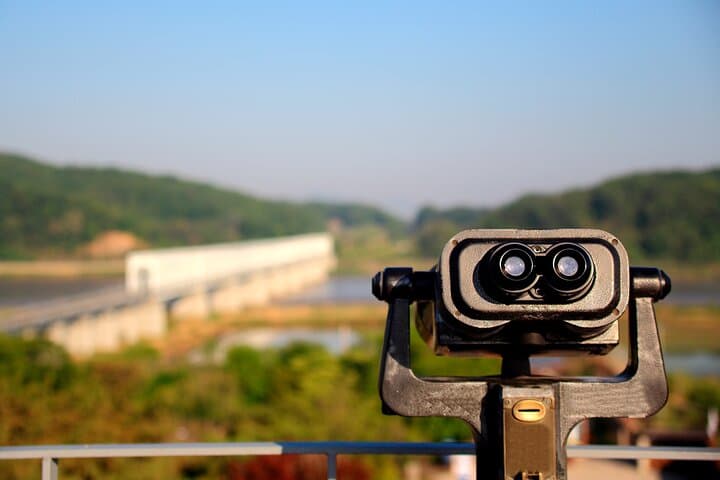
This route pairs recent history with high-country perspective. Dorasan Observatory offers the closest public sightline into North Korean villages and the farmland beyond; Tongilchon (Unification Village) puts faces and stories to the peninsula’s divided families. Geologically, the Gamagak ridgeline is a green spine of low peaks and folded schist; the suspension bridge arcs between ridgelines and rises to show valley funnels and river bends that seem to challenge your steadying breath.
Practically, this is a full-day, private tour that skips long lines and uses private transport for point-to-point comfort. Expect several short walks, stairs, and a confined descent into the tunnel — not strenuous, but requiring steady footing and a moderate fitness level. Bring your passport and be aware the DMZ sites are closed on Mondays; security checks are strict and cameras are restricted at some viewpoints.
Timing your visit for clear weather gives the best sightlines; early departures avoid afternoon haze. Hydrate, wear solid walking shoes, and plan for wind and sun on the bridge: the landscape will test your senses and leave a precise kind of impression.
moderate.
8–9 hours.
Moderate fitness: comfortable walking, some stairs and short uneven sections; not suitable for those with serious mobility limits.
No — many DMZ sites are closed on Mondays and some national holidays; your tour operator should confirm the operating days when you book.
Yes — a passport is required for entry checks at DMZ access points; bring the passport details requested at booking.
Photography is allowed at many viewpoints but restricted at certain military areas; follow your guide’s instructions and stay behind barriers.
The Third Tunnel is open to tourists with maintained walkways and lighting, but it involves narrow, sloped passages and stairs — not recommended for those with severe mobility or spinal issues.
Imjingak and the DMZ are symbolic markers of the 1950–53 Korean War armistice; Dorasan and Tongilchon reflect continuing hopes and local efforts toward reconciliation.
Visitor numbers are managed at sensitive sites to limit disturbance to military zones and wildlife; follow pathways and avoid leaving waste to reduce environmental and cultural impact.
TRAVUT operates guided outdoor trips and adventures with an emphasis on safety, stewardship, and memorable experiences.
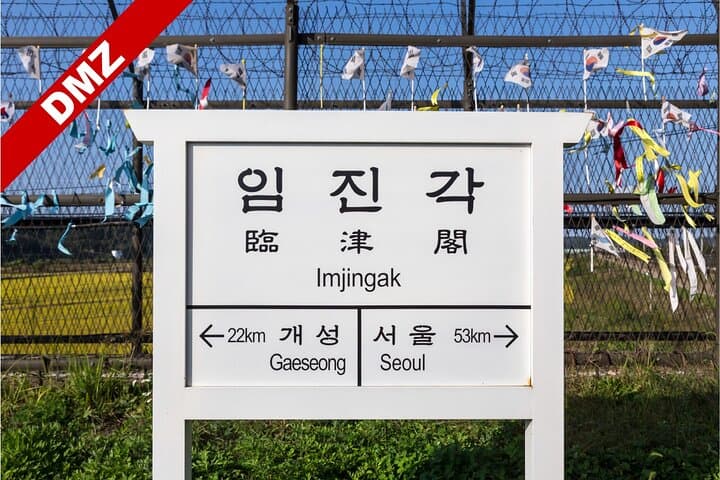
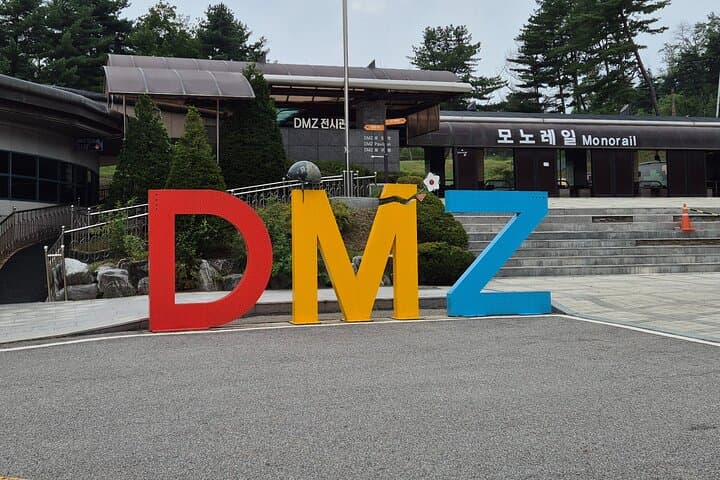
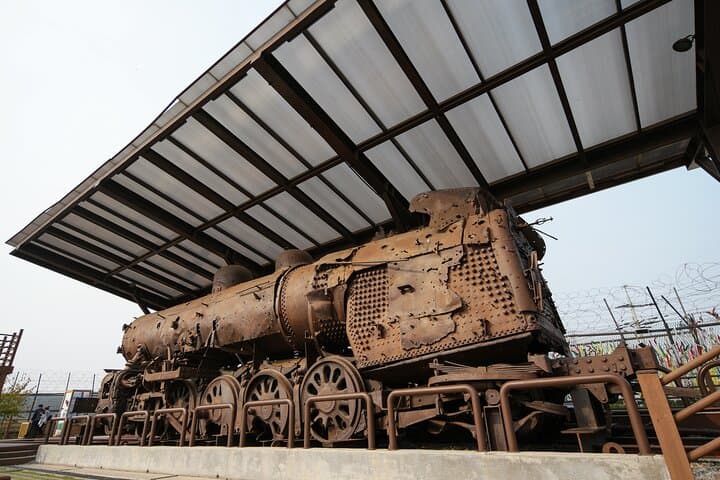
A low, metallic wind runs along the exposed borderlands as the tour van eases out of Seoul — the city’s hum falling behind and a different kind of stillness taking over. At Imjingak, stone monuments and the Freedom Bridge frame a view across no-man’s-land where fences, guard posts and terraced fields mark the invisible line between two states. The Third Tunnel feels claustrophobic and engineered; its cut walls, scooped by hand and machine, give a physical echo to Cold War strategy.
A low, metallic wind runs along the exposed borderlands as the tour van eases out of Seoul — the city’s hum falling behind and a different kind of stillness taking over. At Imjingak, stone monuments and the Freedom Bridge frame a view across no-man’s-land where fences, guard posts and terraced fields mark the invisible line between two states. The Third Tunnel feels claustrophobic and engineered; its cut walls, scooped by hand and machine, give a physical echo to Cold War strategy.
This route pairs recent history with high-country perspective. Dorasan Observatory offers the closest public sightline into North Korean villages and the farmland beyond; Tongilchon (Unification Village) puts faces and stories to the peninsula’s divided families. Geologically, the Gamagak ridgeline is a green spine of low peaks and folded schist; the suspension bridge arcs between ridgelines and rises to show valley funnels and river bends that seem to challenge your steadying breath.
Practically, this is a full-day, private tour that skips long lines and uses private transport for point-to-point comfort. Expect several short walks, stairs, and a confined descent into the tunnel — not strenuous, but requiring steady footing and a moderate fitness level. Bring your passport and be aware the DMZ sites are closed on Mondays; security checks are strict and cameras are restricted at some viewpoints.
Timing your visit for clear weather gives the best sightlines; early departures avoid afternoon haze. Hydrate, wear solid walking shoes, and plan for wind and sun on the bridge: the landscape will test your senses and leave a precise kind of impression.