THE ADVENTURE COLLECTIVE® · Independent discovery and booking for outdoor travel

Explore the DMZ on a private full-day tour that visits the Third Invasion Tunnel, Dora Observatory and the longest suspension bridge in South Korea. This guided excursion balances close-up history with accessible viewpoints and practical logistics.
Explore the DMZ on a private full-day tour that visits the Third Invasion Tunnel, Dora Observatory and the longest suspension bridge in South Korea. This guided excursion balances close-up history with accessible viewpoints and practical logistics.
You step out of an air-conditioned van into a wind that seems to read the map of the peninsula — cool, direct, and oddly quiet. The road to the DMZ narrows, rice paddies and low hills giving way to fenced corridors and observation posts. Guides move with practiced calm; the landscape keeps its history in plain sight.
Verified experiences and guided adventures in the surrounding area.
Operated by taxiGo Limo Airport Service · Paju, Gyeonggi-do
You step out of an air-conditioned van into a wind that seems to read the map of the peninsula — cool, direct, and oddly quiet. The road to the DMZ narrows, rice paddies and low hills giving way to fenced corridors and observation posts. Guides move with practiced calm; the landscape keeps its history in plain sight.
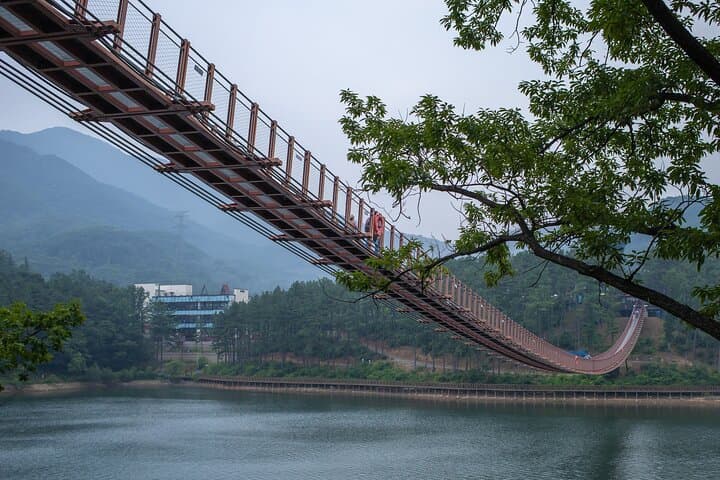
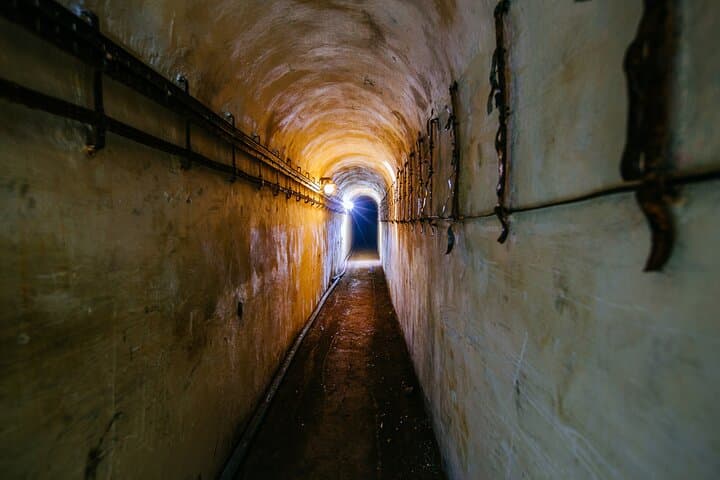
The tour threads modern Korea’s recent past with raw Cold War geography. The Third Invasion Tunnel, discovered in 1978, cuts beneath the ridgeline and reveals engineering intended for surprise movement — low, cramped, and unnervingly close to the surface. At Dora Observatory, binoculars translate distant farmhouses into a different political reality across barbed wire. Mangbaedan and Imjingak memorials preserve civilian memory, where families once bowed toward lost homes. The suspension bridge and lakeside boardwalk offer a quieter counterpoint: water that reflects hills and the human-made lines that divide them.
Expect mostly easy walking with short climbs to viewpoints and a steep descent into the tunnel (with steps). Bring a passport and follow guide instructions; some areas restrict photography. The guide will factor in traffic and security checks, so punctuality matters. Hydrate and layer clothing — temperatures on exposed ridgelines change quickly. If you have mobility limitations, notify the operator in advance; some sites involve steep stairs or long walks.
This day tour blends history, controlled access, and surprising natural calm — a chance to witness Korea’s dividing line with context, safety, and guide expertise.
easy.
9 hours.
Light fitness—able to walk on paved paths and descend/ascend stairs; not strenuous
Yes. All visitors must carry a valid passport or government-issued ID for security checks and DMZ access.
The tour is designed for most ages, but the Third Tunnel involves steep stairs and low ceilings; mobility limitations should be reported when booking.
Photography rules vary by location; your guide will advise where photos are allowed and where they are restricted for security reasons.
The van transfer is typically around 60–90 minutes each way depending on traffic; the full excursion runs about nine hours.
The DMZ was established after the 1953 armistice and functions as a fortified buffer between North and South Korea, with sites like the Third Tunnel illustrating Cold War-era tactics.
Strict access controls have created de facto wildlife refuges; visitors should stay on paths and avoid leaving waste to help preserve habitats and sensitive sites.
taxiGo Limo Airport Service operates guided outdoor trips and adventures with an emphasis on safety, stewardship, and memorable experiences.

You step out of an air-conditioned van into a wind that seems to read the map of the peninsula — cool, direct, and oddly quiet. The road to the DMZ narrows, rice paddies and low hills giving way to fenced corridors and observation posts. Guides move with practiced calm; the landscape keeps its history in plain sight.
You step out of an air-conditioned van into a wind that seems to read the map of the peninsula — cool, direct, and oddly quiet. The road to the DMZ narrows, rice paddies and low hills giving way to fenced corridors and observation posts. Guides move with practiced calm; the landscape keeps its history in plain sight.
The tour threads modern Korea’s recent past with raw Cold War geography. The Third Invasion Tunnel, discovered in 1978, cuts beneath the ridgeline and reveals engineering intended for surprise movement — low, cramped, and unnervingly close to the surface. At Dora Observatory, binoculars translate distant farmhouses into a different political reality across barbed wire. Mangbaedan and Imjingak memorials preserve civilian memory, where families once bowed toward lost homes. The suspension bridge and lakeside boardwalk offer a quieter counterpoint: water that reflects hills and the human-made lines that divide them.
Expect mostly easy walking with short climbs to viewpoints and a steep descent into the tunnel (with steps). Bring a passport and follow guide instructions; some areas restrict photography. The guide will factor in traffic and security checks, so punctuality matters. Hydrate and layer clothing — temperatures on exposed ridgelines change quickly. If you have mobility limitations, notify the operator in advance; some sites involve steep stairs or long walks.
This day tour blends history, controlled access, and surprising natural calm — a chance to witness Korea’s dividing line with context, safety, and guide expertise.