THE ADVENTURE COLLECTIVE® · Independent discovery and booking for outdoor travel

A full‑day private tour from Incheon that combines Dora Observatory views, visits near the 25th Infantry Division and curated Korean War exhibits. Expect passport checks, restricted photography in places, and a 9–10 hour itinerary tailored to flight schedules.
A full‑day private tour from Incheon that combines Dora Observatory views, visits near the 25th Infantry Division and curated Korean War exhibits. Expect passport checks, restricted photography in places, and a 9–10 hour itinerary tailored to flight schedules.
You step off the plane at Incheon and into an air‑conditioned vehicle that threads north through low, cultivated plains toward the Imjin River — the landscape grows quiet, the river daring you to look across to the opposite bank. At the Dora Observatory a brass telescope focuses on tidy fields, an elementary school and the distant outline of a museum on the North Korean side; the view is clinical and oddly intimate.
Verified experiences and guided adventures in the surrounding area.
Operated by Dmgspy Tour · Paju, Gyeonggi-do
You step off the plane at Incheon and into an air‑conditioned vehicle that threads north through low, cultivated plains toward the Imjin River — the landscape grows quiet, the river daring you to look across to the opposite bank. At the Dora Observatory a brass telescope focuses on tidy fields, an elementary school and the distant outline of a museum on the North Korean side; the view is clinical and oddly intimate.
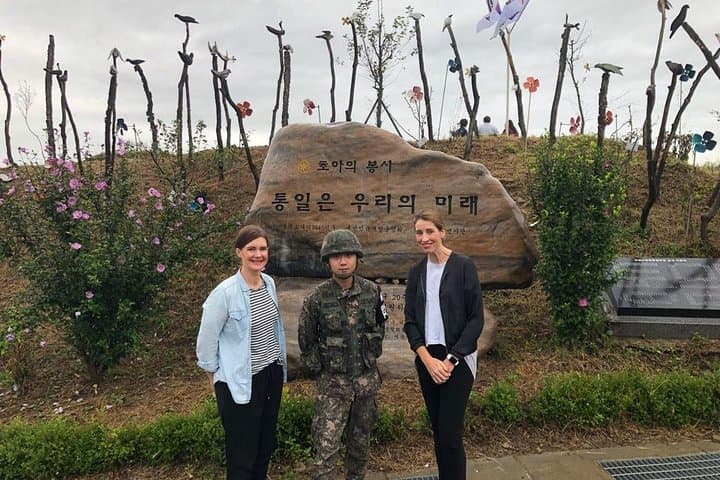
The DMZ is a product of 20th‑century geopolitics: the 1953 armistice left a 4‑kilometer buffer that froze troop positions and created a living history exhibit across villages, observation posts and memorials. The itinerary includes an exhibition hall explaining modern Korean history, an ID check at the 25th Infantry Division base, and stops that frame the human and military stories tied to the ceasefire line.
Practical realities shape the day. The full excursion runs about 9–10 hours and requires passport details submitted in advance; expect security screening and restricted photography in some areas. Moderate fitness helps for short walks between observation decks and exhibits. Lunch is provided and transport is tuned to flight schedules, so timings can be adapted for arrivals and departures.
Bring layered clothing — wind off the Imjin bites late in the day — and a small daypack for documents, water and a camera (where allowed). Guides specialize in DMZ protocol and will direct when to keep cameras holstered and when to step forward for a focused, factual look at Korea’s divided landscape.
moderate.
9–10 hours.
Suitable for travelers with moderate fitness; mostly short walks, standing on observation decks, and occasional stairs.
Yes. Passport information must be submitted in advance to pass military checkpoints; bring the passport on the day for ID checks.
This private tour can start from Incheon Airport (or arranged pickup) and runs approximately 9–10 hours, with times adjusted to flight schedules.
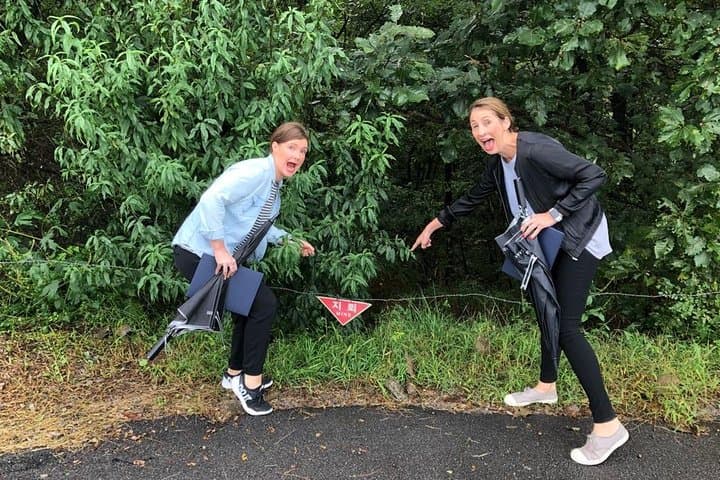
No. Photography is allowed at certain observatories but restricted at military installations—follow your guide's instructions at all times.
Not recommended for those with severe mobility issues: there are stairs, standing periods and security procedures; travelers should have moderate fitness.
The Korean Armistice Agreement of 1953 established the DMZ; today the zone preserves both military sites and landscape marks of the war and post‑war development.
Restricted human access has created de facto habitats for migratory birds and wildlife—visitors should stick to paths and obey park and military rules to limit disturbance.
Dmgspy Tour operates guided outdoor trips and adventures with an emphasis on safety, stewardship, and memorable experiences.

You step off the plane at Incheon and into an air‑conditioned vehicle that threads north through low, cultivated plains toward the Imjin River — the landscape grows quiet, the river daring you to look across to the opposite bank. At the Dora Observatory a brass telescope focuses on tidy fields, an elementary school and the distant outline of a museum on the North Korean side; the view is clinical and oddly intimate.
You step off the plane at Incheon and into an air‑conditioned vehicle that threads north through low, cultivated plains toward the Imjin River — the landscape grows quiet, the river daring you to look across to the opposite bank. At the Dora Observatory a brass telescope focuses on tidy fields, an elementary school and the distant outline of a museum on the North Korean side; the view is clinical and oddly intimate.
The DMZ is a product of 20th‑century geopolitics: the 1953 armistice left a 4‑kilometer buffer that froze troop positions and created a living history exhibit across villages, observation posts and memorials. The itinerary includes an exhibition hall explaining modern Korean history, an ID check at the 25th Infantry Division base, and stops that frame the human and military stories tied to the ceasefire line.
Practical realities shape the day. The full excursion runs about 9–10 hours and requires passport details submitted in advance; expect security screening and restricted photography in some areas. Moderate fitness helps for short walks between observation decks and exhibits. Lunch is provided and transport is tuned to flight schedules, so timings can be adapted for arrivals and departures.
Bring layered clothing — wind off the Imjin bites late in the day — and a small daypack for documents, water and a camera (where allowed). Guides specialize in DMZ protocol and will direct when to keep cameras holstered and when to step forward for a focused, factual look at Korea’s divided landscape.