THE ADVENTURE COLLECTIVE® · Independent discovery and booking for outdoor travel

Spend a day north of Hue exploring the Hien Luong Bridge, the 17th parallel and the Vinh Moc tunnels. This private, eight-hour tour combines battlefield history, storytelling from local guides and hands-on visits to preserved war sites.
Spend a day north of Hue exploring the Hien Luong Bridge, the 17th parallel and the Vinh Moc tunnels. This private, eight-hour tour combines battlefield history, storytelling from local guides and hands-on visits to preserved war sites.
Dawn on Highway 1 has a different tempo north of Hue: rice paddies slide past the van, the coastal wind seems to nudge you toward the old divide. By midmorning you stand at the Ben Hai River near Hien Luong Bridge and feel the geography that once marked the 17th parallel push against you—water daring you to cross an invisible line of history.
Verified experiences and guided adventures in the surrounding area.
Operated by Hoi an local tour · Hue, Thua Thien-Hue
Dawn on Highway 1 has a different tempo north of Hue: rice paddies slide past the van, the coastal wind seems to nudge you toward the old divide. By midmorning you stand at the Ben Hai River near Hien Luong Bridge and feel the geography that once marked the 17th parallel push against you—water daring you to cross an invisible line of history.
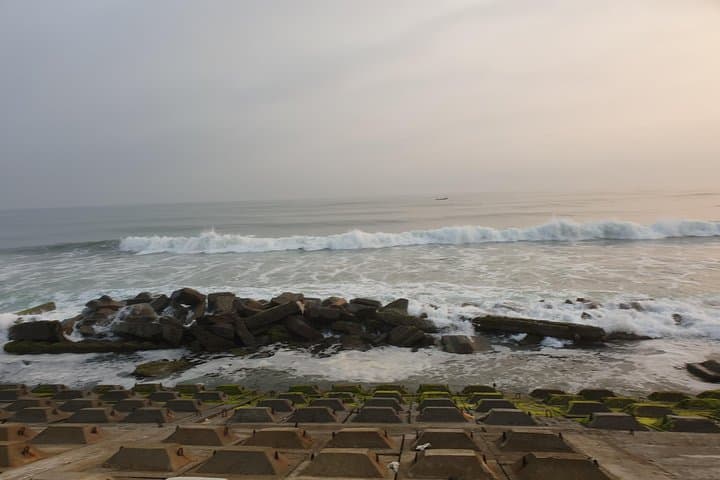
This eight-hour private tour traces the human and physical scars of the Vietnam War. Hien Luong Bridge shows the blunt geometry of a divided country from 1954–1975; nearby, the Vinh Moc tunnels reveal a subterranean world where soldiers and civilians lived, worked and gave birth under bombardment. The route threads low coastal plains, river channels and pockets of scrub and mangrove influenced by the South China Sea’s tides—terrain that shaped supply lines and defensive choices.
Local guides weave personal stories and regional context into each stop, pointing out small temples, roadside memorials and the way land use shifted in the decades since the conflict. Expect narrow tunnel passages, museum displays with artifacts and viewpoints across the river that still feel solemn.
Practical edge: the tour is physically moderate—several flights of steep tunnel steps and uneven surfaces—so wear closed-toe shoes and bring sun protection, water and a valid passport for booking and ID checks. Facilities are basic outside Hue; carry cash for snacks and tips. Photography is allowed in many sites, but follow guide instructions and show respect at memorials. An early start and comfortable footwear will make the day both manageable and memorable.
moderate.
8 hours.
Moderate fitness required—comfortable walking, some stair descent/ascents in tunnels, and getting in/out of transfer vehicle.
Yes—booking requires passport details and you should carry your passport or ID on the day for verification.
The tour involves confined tunnel passages and uneven terrain; families should assess mobility and comfort in tight spaces—seniors and young children may find parts challenging.
Typical inclusions list a guide only; bring cash for snacks or confirm meal arrangements with the operator before departure.
Photography is often allowed but follow guide instructions and avoid flash where exhibitions request it; show respect at memorial and burial sites.
The 17th parallel near Hien Luong marked the de facto division of North and South Vietnam from 1954 to 1975; Vinh Moc tunnels sheltered civilians and military personnel during intense bombardment.
Sites are protected as historical monuments—avoid removing artifacts, follow marked paths, and support local guides whose fees help preserve museums and memorials.
Hoi an local tour operates guided outdoor trips and adventures with an emphasis on safety, stewardship, and memorable experiences.

Dawn on Highway 1 has a different tempo north of Hue: rice paddies slide past the van, the coastal wind seems to nudge you toward the old divide. By midmorning you stand at the Ben Hai River near Hien Luong Bridge and feel the geography that once marked the 17th parallel push against you—water daring you to cross an invisible line of history.
Dawn on Highway 1 has a different tempo north of Hue: rice paddies slide past the van, the coastal wind seems to nudge you toward the old divide. By midmorning you stand at the Ben Hai River near Hien Luong Bridge and feel the geography that once marked the 17th parallel push against you—water daring you to cross an invisible line of history.
This eight-hour private tour traces the human and physical scars of the Vietnam War. Hien Luong Bridge shows the blunt geometry of a divided country from 1954–1975; nearby, the Vinh Moc tunnels reveal a subterranean world where soldiers and civilians lived, worked and gave birth under bombardment. The route threads low coastal plains, river channels and pockets of scrub and mangrove influenced by the South China Sea’s tides—terrain that shaped supply lines and defensive choices.
Local guides weave personal stories and regional context into each stop, pointing out small temples, roadside memorials and the way land use shifted in the decades since the conflict. Expect narrow tunnel passages, museum displays with artifacts and viewpoints across the river that still feel solemn.
Practical edge: the tour is physically moderate—several flights of steep tunnel steps and uneven surfaces—so wear closed-toe shoes and bring sun protection, water and a valid passport for booking and ID checks. Facilities are basic outside Hue; carry cash for snacks and tips. Photography is allowed in many sites, but follow guide instructions and show respect at memorials. An early start and comfortable footwear will make the day both manageable and memorable.