THE ADVENTURE COLLECTIVE® · Independent discovery and booking for outdoor travel

A private, full-day excursion from Seoul to the Korean DMZ that combines Imjingak Park, the Third Tunnel, and Dora Observatory with an optional lakeside stop—guided history and close-up views of the border. Expect security checks, some walking, and powerful contemporary context.
A private, full-day excursion from Seoul to the Korean DMZ that combines Imjingak Park, the Third Tunnel, and Dora Observatory with an optional lakeside stop—guided history and close-up views of the border. Expect security checks, some walking, and powerful contemporary context.
You pull away from Seoul as the city glass recedes and the road narrows toward a landscape that seems to be holding its breath. Low, farmed hills and the steady Imjin River slide past; the guide’s voice lowers as the bus turns into Imjingak Park, where rusted rails and the Bridge of Freedom point at a recent past that still shapes lives.
Verified experiences and guided adventures in the surrounding area.
Operated by Awesome Tour · Seoul, Seoul
You pull away from Seoul as the city glass recedes and the road narrows toward a landscape that seems to be holding its breath. Low, farmed hills and the steady Imjin River slide past; the guide’s voice lowers as the bus turns into Imjingak Park, where rusted rails and the Bridge of Freedom point at a recent past that still shapes lives.
The Korean Demilitarized Zone (DMZ) dates to the 1953 armistice and is a 4-kilometer buffer that slices the peninsula. Geologically the corridor is unremarkable—gently rolling plains and river valleys—but politically and culturally it’s a charged line: watchtowers, observation posts, and the concrete faces of propaganda villages just across the border. Imjingak preserves artifacts—an abandoned steam engine and war memorials—while Dorasan Station and Odusan Unification Tower speak to hopes of reconnection.
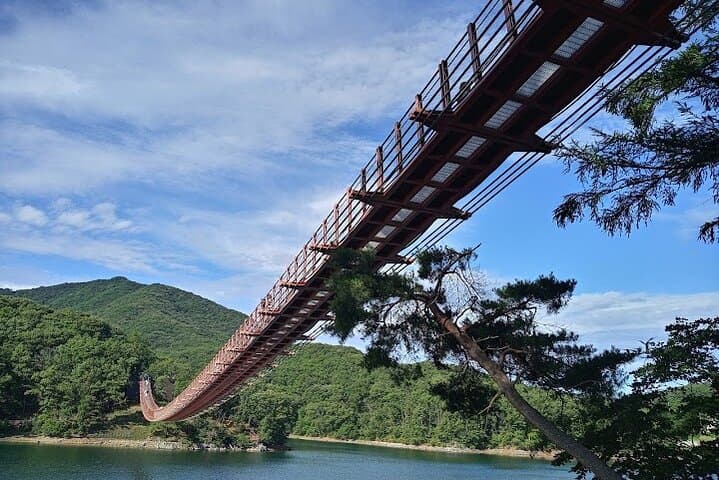
On this private, 9–10 hour excursion you’ll walk Imjingak, enter the Third Infiltration Tunnel (73 m depth; allow ~20 minutes for the visit), and climb to the Dora Observatory for direct views across the border to Kijong-dong. Guides combine military history with contemporary context; choose the optional lakeside suspension bridge for quieter scenery and photo opportunities.
Practical edge: bring your passport, wear sturdy walking shoes and layered clothing, and carry snacks and water—the itinerary includes security checkpoints, some standing and descending into confined spaces. Photography is allowed at some sites but restricted at others; follow your guide and local rules. Expect a moving, factual look at a living border, not a voyeuristic spectacle.
moderate.
9–10 hours.
Moderate fitness recommended—comfortable walking, standing, and a descent into a confined tunnel are required.
Yes—private tours run 9–10 hours from central Seoul and include hotel pickup and return; expect multiple security checks.
Yes—passport or national ID is required for verification at military checkpoints and some DMZ venues.
Guided DMZ tours operate under strict military protocols and are generally safe; follow your guide’s instructions and posted rules.
Most tours do not include meals; plan for a lunch stop or bring snacks—confirm with the operator when booking.
The DMZ was created by the 1953 armistice and remains a heavily militarized buffer that also preserves traces of 20th-century conflict and hopes for reunification.
Limited human access has turned parts of the DMZ into an accidental wildlife refuge; visitors should stay on designated paths and avoid disturbing habitats.
Awesome Tour operates guided outdoor trips and adventures with an emphasis on safety, stewardship, and memorable experiences.


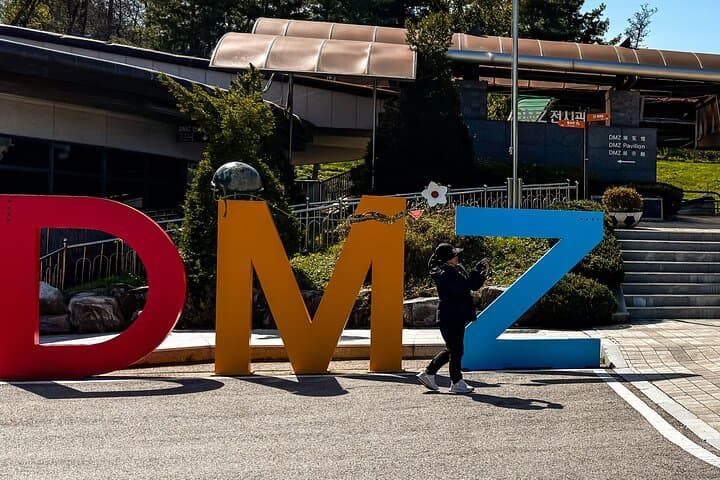
You pull away from Seoul as the city glass recedes and the road narrows toward a landscape that seems to be holding its breath. Low, farmed hills and the steady Imjin River slide past; the guide’s voice lowers as the bus turns into Imjingak Park, where rusted rails and the Bridge of Freedom point at a recent past that still shapes lives.
You pull away from Seoul as the city glass recedes and the road narrows toward a landscape that seems to be holding its breath. Low, farmed hills and the steady Imjin River slide past; the guide’s voice lowers as the bus turns into Imjingak Park, where rusted rails and the Bridge of Freedom point at a recent past that still shapes lives.
The Korean Demilitarized Zone (DMZ) dates to the 1953 armistice and is a 4-kilometer buffer that slices the peninsula. Geologically the corridor is unremarkable—gently rolling plains and river valleys—but politically and culturally it’s a charged line: watchtowers, observation posts, and the concrete faces of propaganda villages just across the border. Imjingak preserves artifacts—an abandoned steam engine and war memorials—while Dorasan Station and Odusan Unification Tower speak to hopes of reconnection.
On this private, 9–10 hour excursion you’ll walk Imjingak, enter the Third Infiltration Tunnel (73 m depth; allow ~20 minutes for the visit), and climb to the Dora Observatory for direct views across the border to Kijong-dong. Guides combine military history with contemporary context; choose the optional lakeside suspension bridge for quieter scenery and photo opportunities.
Practical edge: bring your passport, wear sturdy walking shoes and layered clothing, and carry snacks and water—the itinerary includes security checkpoints, some standing and descending into confined spaces. Photography is allowed at some sites but restricted at others; follow your guide and local rules. Expect a moving, factual look at a living border, not a voyeuristic spectacle.