THE ADVENTURE COLLECTIVE® · Independent discovery and booking for outdoor travel

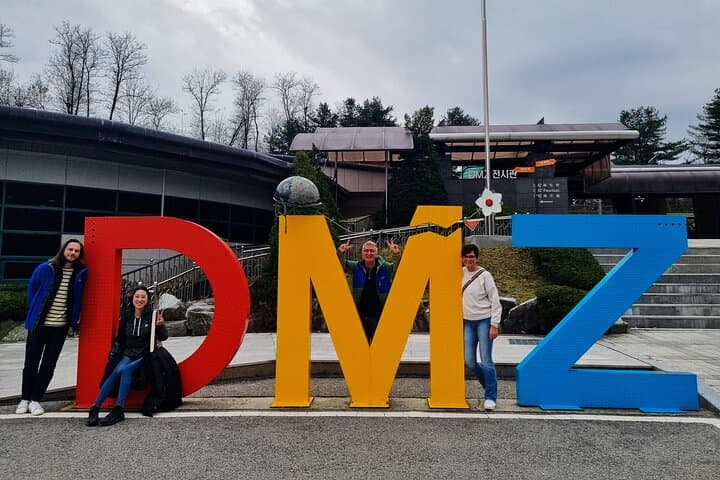
Spend a private, full day outside Seoul exploring the Third Infiltration Tunnel, Dora Observatory, and an optional suspension bridge hike on Gamaksan. This seven-hour tour combines hands-on history with short hikes and commanding border views.
Spend a private, full day outside Seoul exploring the Third Infiltration Tunnel, Dora Observatory, and an optional suspension bridge hike on Gamaksan. This seven-hour tour combines hands-on history with short hikes and commanding border views.
You step out of Seoul's rush and onto a quieter road where pines edge a landscape that still bears the scars — and the stories — of a divided peninsula.
Verified experiences and guided adventures in the surrounding area.
Operated by Honey Trail · Paju, Gyeonggi-do
You step out of Seoul's rush and onto a quieter road where pines edge a landscape that still bears the scars — and the stories — of a divided peninsula.
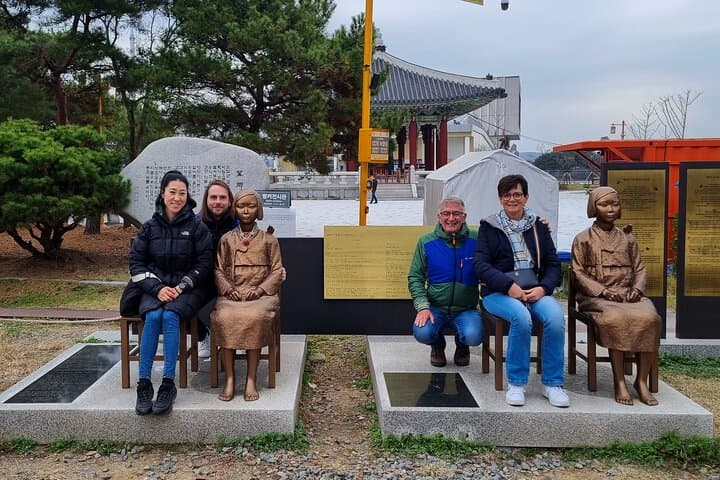
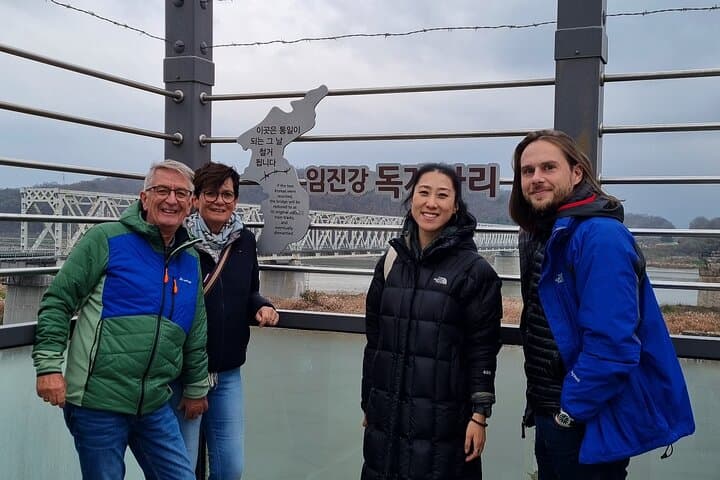
The day moves deliberately: first Imjingak Park's Bridge of Freedom and a rusting steam locomotive, public markers of displacement and hope, then down into the Third Infiltration Tunnel discovered in 1978 — a roughly excavated artery large enough, officials say, to move tens of thousands of soldiers an hour. You walk its chilled, sometimes slippery floor, then watch a short film that frames the political geography and surprising ecology of the DMZ.
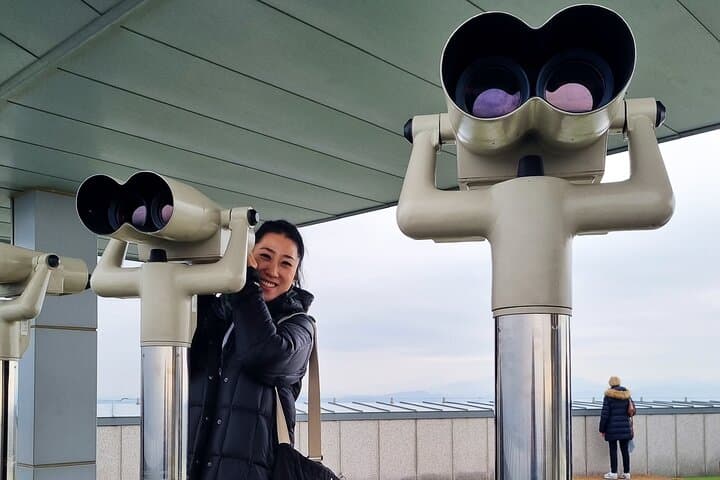
At Dora Observatory you climb to rooftop optics installed in 1987 and peer across no-man’s-land: Gaeseong’s industrial complex and distant ridgelines make political boundaries visible.
The tour can end with a brisk 15-minute climb to a 150‑meter suspension bridge over Gamaksan (optional). From that span the mountain and lake below press at the edges of view, the wind nudging you along the boards.
Practical side: this private, seven-hour outing includes hotel pickup in Seoul, an English-speaking guide, and air-conditioned transport. Bring your passport (ID check required), slip-resistant shoes for the tunnel, and respect signage — some areas restrict photography and all stops follow military rules. Weather and security conditions can change itineraries without notice; flexibility is part of the experience.
The trip is equal parts field lesson and landscape hike — a quiet, tangible way to read Korea’s modern history while hiking short trails and scanning a human-altered wilderness.
easy.
7 hours.
Suitable for people who can walk short distances and climb brief flights of steps; minimal sustained exertion required.
Yes—every visitor must present a valid passport for the DMZ ID check before entering controlled areas.
No—the Gamaksan suspension bridge is optional; you can skip it if you have mobility issues or a fear of heights.
Yes—some DMZ and military sites restrict photography; follow your guide’s instructions to avoid fines or confiscation.
Tours are often refundable if canceled by authorities; the operator will notify you and follow the stated refund/cancellation policy.
The DMZ area marks the front line of the 1950–53 Korean War and subsequent armistice; the Third Tunnel was uncovered in 1978 and Dora Observatory opened in 1987 to allow monitored views of the north.
Restricted access has unintentionally created refuges for migratory birds and undisturbed habitats; visitors should stay on designated paths and carry out all trash to minimize impact.
Honey Trail operates guided outdoor trips and adventures with an emphasis on safety, stewardship, and memorable experiences.
You step out of Seoul's rush and onto a quieter road where pines edge a landscape that still bears the scars — and the stories — of a divided peninsula.
You step out of Seoul's rush and onto a quieter road where pines edge a landscape that still bears the scars — and the stories — of a divided peninsula.
The day moves deliberately: first Imjingak Park's Bridge of Freedom and a rusting steam locomotive, public markers of displacement and hope, then down into the Third Infiltration Tunnel discovered in 1978 — a roughly excavated artery large enough, officials say, to move tens of thousands of soldiers an hour. You walk its chilled, sometimes slippery floor, then watch a short film that frames the political geography and surprising ecology of the DMZ.
At Dora Observatory you climb to rooftop optics installed in 1987 and peer across no-man’s-land: Gaeseong’s industrial complex and distant ridgelines make political boundaries visible.
The tour can end with a brisk 15-minute climb to a 150‑meter suspension bridge over Gamaksan (optional). From that span the mountain and lake below press at the edges of view, the wind nudging you along the boards.
Practical side: this private, seven-hour outing includes hotel pickup in Seoul, an English-speaking guide, and air-conditioned transport. Bring your passport (ID check required), slip-resistant shoes for the tunnel, and respect signage — some areas restrict photography and all stops follow military rules. Weather and security conditions can change itineraries without notice; flexibility is part of the experience.
The trip is equal parts field lesson and landscape hike — a quiet, tangible way to read Korea’s modern history while hiking short trails and scanning a human-altered wilderness.