THE ADVENTURE COLLECTIVE® · Independent discovery and booking for outdoor travel

Combine a solemn morning at Imjingak and Dorasan Observatory with an afternoon crossing Korea’s longest swinging bridge at Majang Reservoir. This private day tour from Seoul blends close-up history with lakefront scenery and a short, family-friendly walk.
Combine a solemn morning at Imjingak and Dorasan Observatory with an afternoon crossing Korea’s longest swinging bridge at Majang Reservoir. This private day tour from Seoul blends close-up history with lakefront scenery and a short, family-friendly walk.
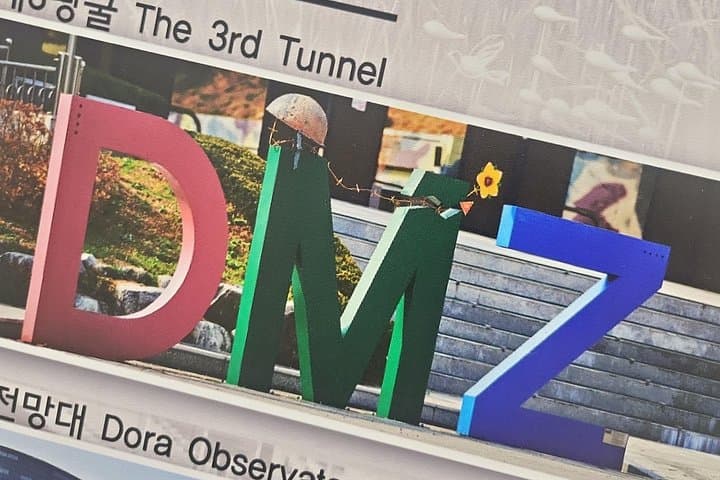
The morning opens with a low, cold light over the Han and the taxi eases out of Seoul toward the razor line of the DMZ. By the time visitors step onto Imjingak’s gravel paths the air has a quiet weight—flags flapping, telescopes trained across a border seen but not crossed.
Verified experiences and guided adventures in the surrounding area.
Operated by Jeju K Tour(Jeju K Travel Agency Co., Ltd.) · Paju, Gyeonggi-do
The morning opens with a low, cold light over the Han and the taxi eases out of Seoul toward the razor line of the DMZ. By the time visitors step onto Imjingak’s gravel paths the air has a quiet weight—flags flapping, telescopes trained across a border seen but not crossed.
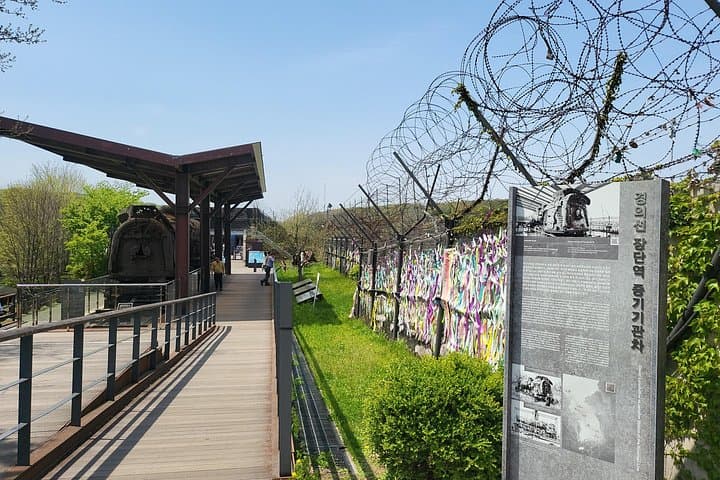
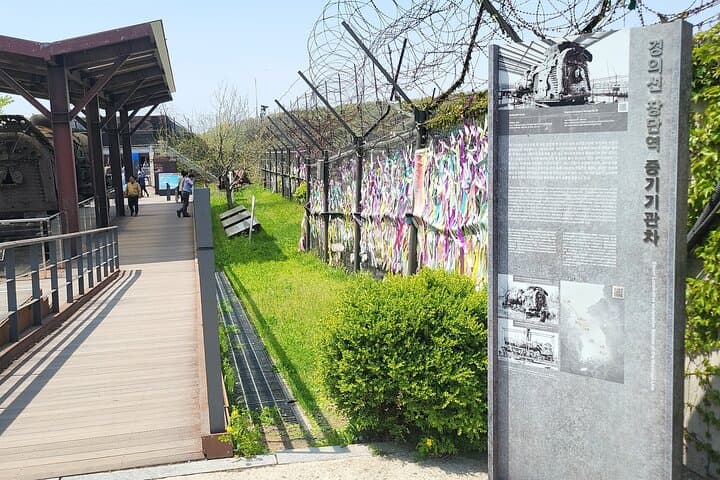
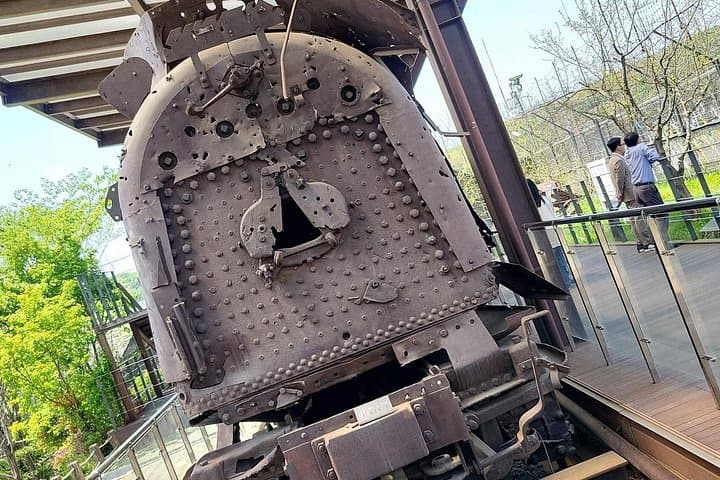
This itinerary stitches together contemporary memory and engineered spectacle: Imjingak’s rusting railcar and Mangbaedan memorial recall the upheaval of the Korean War, Dorasan Observatory gives a telescopic glimpse of Kaesong and the North’s terraced fields, and the Third Tunnel offers a claustrophobic, concrete reminder of the peninsula’s tense geology and strategy.
An afternoon pivot takes the group to Majang Reservoir, where the 220m suspension bridge stretches across blue water. The bridge was built to flex—its center panel of bulletproof glass offers a clear view down to carp and submerged rock, and the wooden decks and lakeside walk invite slower breathing after the DMZ’s formal tone.
Expect a full day—roughly 7–8 hours—on local roads, with some walking on even paths and stairs. Bring your passport (DMZ entry is strict), wear sturdy shoes for the Third Tunnel stairs, and carry water; the DMZ tour uses an Imjingak bus segment and entry is often first-come, first-served, so early starts are routine. Photographs are allowed at most stops but follow guides’ instructions near sensitive areas. The route balances history and nature: allow time to read plaques at Imjingak, scan the horizon from Dorasan, and let the reservoir’s breeze reset your pace before the return to Seoul.
moderate.
7–8 hours.
Moderate fitness; able to stand and walk short distances, climb stairs and manage uneven surfaces
Yes—passport or national ID is required for DMZ entry; groups of six or fewer may sometimes enter with the taxi driver’s registration but you should bring your passport unless explicitly told otherwise.
The DMZ and related facilities are typically closed on Mondays and certain public holidays; if the DMZ is unavailable the operator substitutes a gondola or city tour.
Expect several short walks—flat paths at Imjingak and Majang Lake, plus stairs into the Third Tunnel; the day is more standing and short hikes than sustained trekking.
Parts are stroller and wheelchair accessible (Imjingak, Majang lakeside), but the Third Tunnel includes stairs and narrow passages that are not suitable for all visitors.
Imjingak and nearby installations were created after the 1953 armistice as places of remembrance and observation; the Third Tunnel was discovered in 1978 and demonstrates Cold War-era infiltration attempts.
The DMZ area is a sensitive ecological and security zone—stay on designated paths, avoid disturbing wildlife, and follow guides to minimize environmental and political impact.
Jeju K Tour(Jeju K Travel Agency Co., Ltd.) operates guided outdoor trips and adventures with an emphasis on safety, stewardship, and memorable experiences.
The morning opens with a low, cold light over the Han and the taxi eases out of Seoul toward the razor line of the DMZ. By the time visitors step onto Imjingak’s gravel paths the air has a quiet weight—flags flapping, telescopes trained across a border seen but not crossed.
The morning opens with a low, cold light over the Han and the taxi eases out of Seoul toward the razor line of the DMZ. By the time visitors step onto Imjingak’s gravel paths the air has a quiet weight—flags flapping, telescopes trained across a border seen but not crossed.
This itinerary stitches together contemporary memory and engineered spectacle: Imjingak’s rusting railcar and Mangbaedan memorial recall the upheaval of the Korean War, Dorasan Observatory gives a telescopic glimpse of Kaesong and the North’s terraced fields, and the Third Tunnel offers a claustrophobic, concrete reminder of the peninsula’s tense geology and strategy.
An afternoon pivot takes the group to Majang Reservoir, where the 220m suspension bridge stretches across blue water. The bridge was built to flex—its center panel of bulletproof glass offers a clear view down to carp and submerged rock, and the wooden decks and lakeside walk invite slower breathing after the DMZ’s formal tone.
Expect a full day—roughly 7–8 hours—on local roads, with some walking on even paths and stairs. Bring your passport (DMZ entry is strict), wear sturdy shoes for the Third Tunnel stairs, and carry water; the DMZ tour uses an Imjingak bus segment and entry is often first-come, first-served, so early starts are routine. Photographs are allowed at most stops but follow guides’ instructions near sensitive areas. The route balances history and nature: allow time to read plaques at Imjingak, scan the horizon from Dorasan, and let the reservoir’s breeze reset your pace before the return to Seoul.