THE ADVENTURE COLLECTIVE® · Independent discovery and booking for outdoor travel

Walk Diocletian’s imperial rooms, explore Salona’s Roman ruins and cross to Trogir’s medieval island on a private day tour from Split. This guided trip combines archaeology, coastal geology, and local culture in a single 4–6 hour itinerary.
Walk Diocletian’s imperial rooms, explore Salona’s Roman ruins and cross to Trogir’s medieval island on a private day tour from Split. This guided trip combines archaeology, coastal geology, and local culture in a single 4–6 hour itinerary.
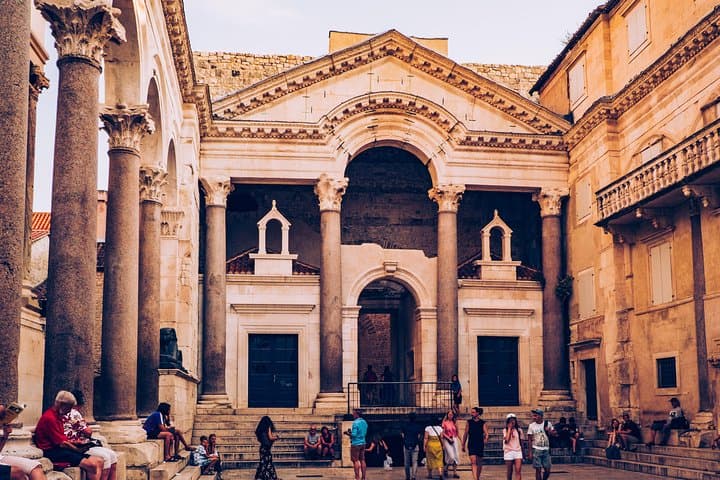
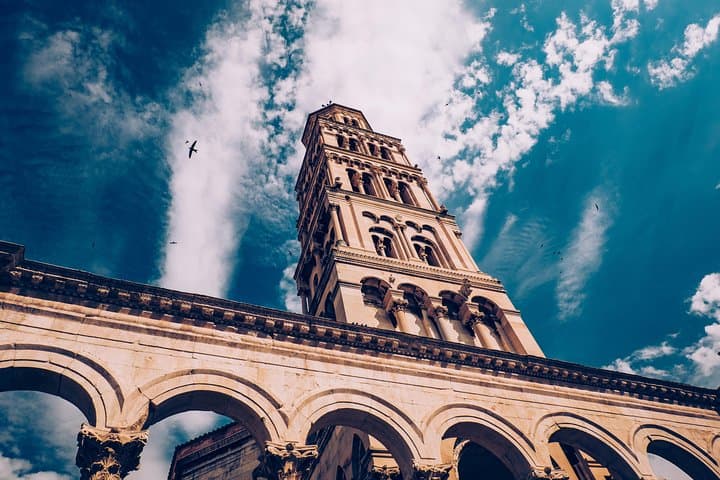
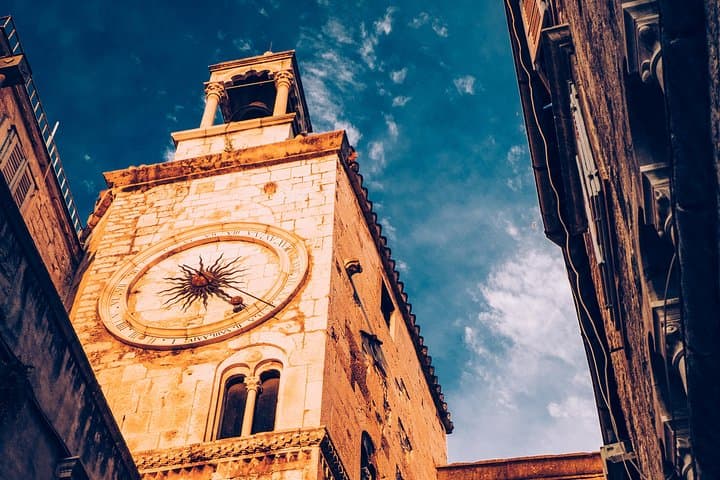
You step through a shadowed Roman gate and the air shifts—salt and baked stone, the low murmur of cafés and scooters threading narrow alleys. The palace walls press close, columns rising like the remains of an old world that still conducts daily life: apartments, shops, a cathedral built into imperial rooms. Later, the road unfurls along the Adriatic toward Trogir, where a compact medieval island dares you to slow down and look closely.
Verified experiences and guided adventures in the surrounding area.
Operated by CROATIA PRIVATE TOURS · Split, Split-Dalmatia County
You step through a shadowed Roman gate and the air shifts—salt and baked stone, the low murmur of cafés and scooters threading narrow alleys. The palace walls press close, columns rising like the remains of an old world that still conducts daily life: apartments, shops, a cathedral built into imperial rooms. Later, the road unfurls along the Adriatic toward Trogir, where a compact medieval island dares you to slow down and look closely.
This route links layers of history: Diocletian’s 4th-century retirement complex, Salona’s Roman ruins across the plain, and Trogir’s Venetian-gothic arcades. Geologically this stretch of Dalmatia is karst limestone—sharp cliffs, shallow coves, and a scatter of islands born of tectonic uplift and sea-level change. Culturally you'll see coastal Croatia’s pragmatic elegance—stone-built neighborhoods, fish markets, and a slow afternoon rhythm.
Expect guided access to the palace’s Peristyle, a walkable grid of lanes, and time for Trogir’s Kamerlengo fortress and waterfront. A private vehicle keeps transfers efficient; the tour’s pacing balances walking with scenic drives so you cover Salona’s excavations without rush.
Practical guidance: arrive early in summer to avoid midday heat and crowds, wear supportive shoes for uneven Roman paving, and carry sun protection and water. Dress smart-casual if you plan cathedral visits. If you want photos without crowds, aim for late afternoon light in Split or early morning in Trogir. The experience pairs archaeology and living city life—best when you move with curiosity and a little patience for stone steps and narrow streets.
easy.
4–6 hours.
Light walking ability; able to stand and climb short flights of stairs and manage cobbled surfaces.
This private tour provides guiding and transfers; specific museum or archaeological-site admissions are typically not included—confirm with the operator before booking.
Round-trip private transfer is listed as included; operators usually arrange hotel and port pick-up—provide arrival details at booking.
Yes—tour notes indicate suitability for all fitness levels and availability of specialized infant seats on request.
Expect short to moderate walking segments over uneven pavements and stairs inside the palace and in Trogir’s old town—total walking time depends on chosen stops.
Diocletian built the palace around 305 AD as an imperial retirement; its fabric has been continuously inhabited, folding medieval and modern life into Roman foundations. Trogir’s core preserves Venetian and medieval layers dating back to the early Middle Ages.
These UNESCO sites face pressure from mass tourism—stay on marked paths, avoid touching fragile stonework, and support local businesses to help distribute visitor impact.
CROATIA PRIVATE TOURS operates guided outdoor trips and adventures with an emphasis on safety, stewardship, and memorable experiences.
You step through a shadowed Roman gate and the air shifts—salt and baked stone, the low murmur of cafés and scooters threading narrow alleys. The palace walls press close, columns rising like the remains of an old world that still conducts daily life: apartments, shops, a cathedral built into imperial rooms. Later, the road unfurls along the Adriatic toward Trogir, where a compact medieval island dares you to slow down and look closely.
You step through a shadowed Roman gate and the air shifts—salt and baked stone, the low murmur of cafés and scooters threading narrow alleys. The palace walls press close, columns rising like the remains of an old world that still conducts daily life: apartments, shops, a cathedral built into imperial rooms. Later, the road unfurls along the Adriatic toward Trogir, where a compact medieval island dares you to slow down and look closely.
This route links layers of history: Diocletian’s 4th-century retirement complex, Salona’s Roman ruins across the plain, and Trogir’s Venetian-gothic arcades. Geologically this stretch of Dalmatia is karst limestone—sharp cliffs, shallow coves, and a scatter of islands born of tectonic uplift and sea-level change. Culturally you'll see coastal Croatia’s pragmatic elegance—stone-built neighborhoods, fish markets, and a slow afternoon rhythm.
Expect guided access to the palace’s Peristyle, a walkable grid of lanes, and time for Trogir’s Kamerlengo fortress and waterfront. A private vehicle keeps transfers efficient; the tour’s pacing balances walking with scenic drives so you cover Salona’s excavations without rush.
Practical guidance: arrive early in summer to avoid midday heat and crowds, wear supportive shoes for uneven Roman paving, and carry sun protection and water. Dress smart-casual if you plan cathedral visits. If you want photos without crowds, aim for late afternoon light in Split or early morning in Trogir. The experience pairs archaeology and living city life—best when you move with curiosity and a little patience for stone steps and narrow streets.