THE ADVENTURE COLLECTIVE® · Independent discovery and booking for outdoor travel

A hands-on private dinner class in Detroit pairs mixology with a prix fixe menu — make sushi, mix cocktails, and eat what you create in a 2.5-hour session. Ideal for small groups and those curious about technique and local flavors.
A hands-on private dinner class in Detroit pairs mixology with a prix fixe menu — make sushi, mix cocktails, and eat what you create in a 2.5-hour session. Ideal for small groups and those curious about technique and local flavors.
You step through a Detroit doorway into a working kitchen where stainless steel counters hum and the air smells of citrus oil and grilling fish. Stations are set for a small group: one side for cocktail shakers, the other for rice, nori and a lineup of pickles and sauces. The evening is equal parts tasting menu and hands-on lesson — you make rolls, practice a simple mixology technique, and sit down to eat the meal you helped assemble.
Verified experiences and guided adventures in the surrounding area.
Operated by Rhythm and Flow Wellness: Retreats and culinary experiences · Detroit, Michigan
You step through a Detroit doorway into a working kitchen where stainless steel counters hum and the air smells of citrus oil and grilling fish. Stations are set for a small group: one side for cocktail shakers, the other for rice, nori and a lineup of pickles and sauces. The evening is equal parts tasting menu and hands-on lesson — you make rolls, practice a simple mixology technique, and sit down to eat the meal you helped assemble.
Detroit’s food culture is shaped by immigrant neighborhoods and market districts: Japanese starters here, Mexican mains there — traces of Vernor Street and Eastern Market thread through the menu choices. The city’s industrial geography, carved by the Detroit River, has long funneled food and flavor into local tables; tonight’s class is part social ritual, part practical skill transfer from host to guest.
Expect 2–3 curated drinks during the roughly 2.5-hour session, a prix fixe appetizer, main and dessert (examples include cold tofu plates, DIY sushi, mochi with green tea ice cream). Classes can run in a host kitchen or private rental and are wheelchair accessible. Practicalities matter: arrive slightly early to settle in, declare allergies when you book, and bring a small container if you want leftovers. The class balances technique — basic knife work, rice handling, shaker fundamentals — with convivial pacing so beginners leave confident.
This is a relaxed, urban culinary evening: sensory, social and useful. Plan transport, consider gratuity, and come ready to taste and learn.
easy.
2–3 hours.
No special fitness required; standing for portions of the class and light chopping/meal prep are typical.
The experience runs about 150 minutes (roughly 2.5 hours), including a drink tasting, hands-on cooking, and dinner.
Yes—hosts can usually adapt menus for common allergies or dietary needs if you note them at booking; inform the provider ahead of time.
This listing is a private session for your booking; confirm group size limits with the provider when reserving.
Children may attend but infant seating rules apply; check with the operator about age-appropriate participation and safety for minors.
Detroit’s culinary scene reflects waves of immigration and its river-driven trade economy; neighborhood markets and immigrant-run eateries have long shaped local menus.
Many Detroit chefs source from local purveyors and markets; minimizing food waste and asking about composting or leftovers helps reduce the event’s footprint.
Rhythm and Flow Wellness: Retreats and culinary experiences operates guided outdoor trips and adventures with an emphasis on safety, stewardship, and memorable experiences.
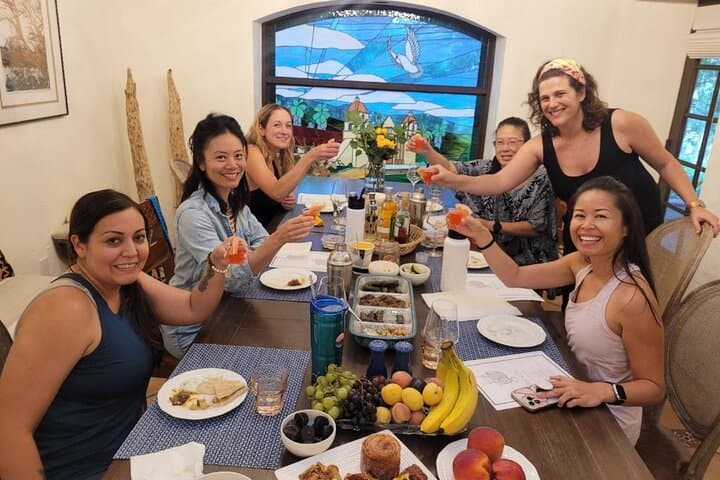
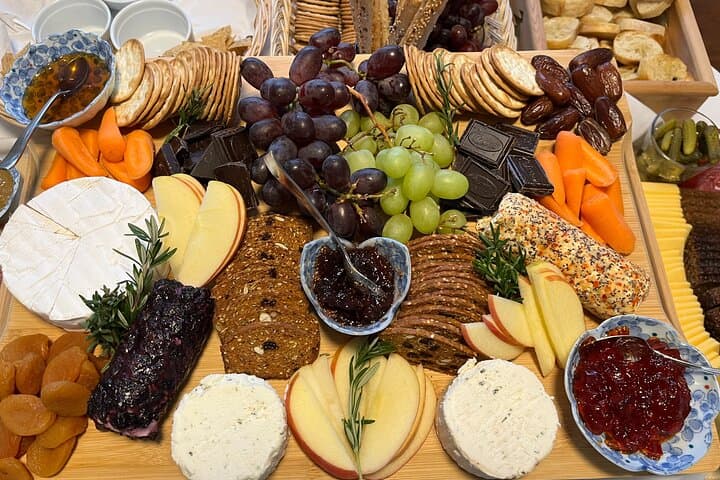
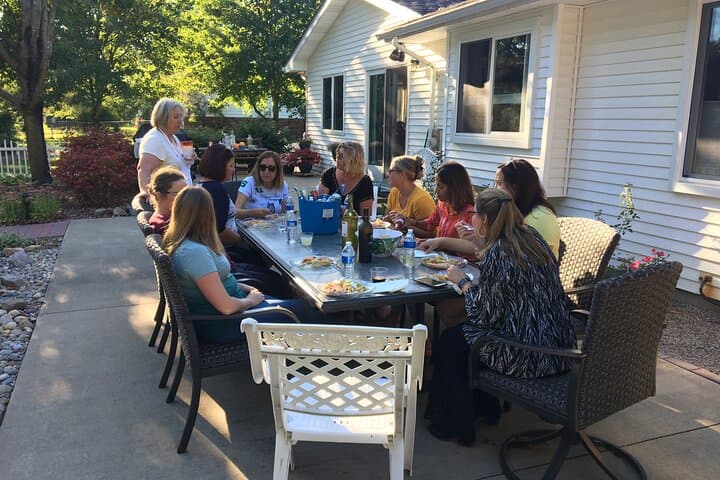
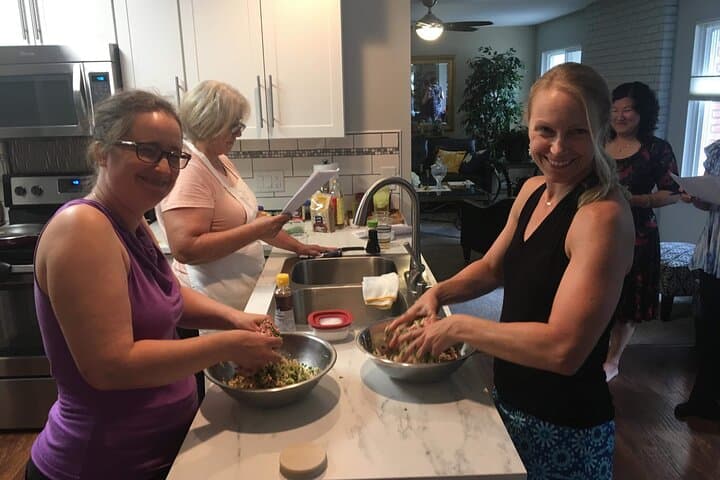
You step through a Detroit doorway into a working kitchen where stainless steel counters hum and the air smells of citrus oil and grilling fish. Stations are set for a small group: one side for cocktail shakers, the other for rice, nori and a lineup of pickles and sauces. The evening is equal parts tasting menu and hands-on lesson — you make rolls, practice a simple mixology technique, and sit down to eat the meal you helped assemble.
You step through a Detroit doorway into a working kitchen where stainless steel counters hum and the air smells of citrus oil and grilling fish. Stations are set for a small group: one side for cocktail shakers, the other for rice, nori and a lineup of pickles and sauces. The evening is equal parts tasting menu and hands-on lesson — you make rolls, practice a simple mixology technique, and sit down to eat the meal you helped assemble.
Detroit’s food culture is shaped by immigrant neighborhoods and market districts: Japanese starters here, Mexican mains there — traces of Vernor Street and Eastern Market thread through the menu choices. The city’s industrial geography, carved by the Detroit River, has long funneled food and flavor into local tables; tonight’s class is part social ritual, part practical skill transfer from host to guest.
Expect 2–3 curated drinks during the roughly 2.5-hour session, a prix fixe appetizer, main and dessert (examples include cold tofu plates, DIY sushi, mochi with green tea ice cream). Classes can run in a host kitchen or private rental and are wheelchair accessible. Practicalities matter: arrive slightly early to settle in, declare allergies when you book, and bring a small container if you want leftovers. The class balances technique — basic knife work, rice handling, shaker fundamentals — with convivial pacing so beginners leave confident.
This is a relaxed, urban culinary evening: sensory, social and useful. Plan transport, consider gratuity, and come ready to taste and learn.