THE ADVENTURE COLLECTIVE® · Independent discovery and booking for outdoor travel

A full-day private drive around Dingle and Slea Head delivers raw Atlantic scenery, ancient stone sites and Irish-speaking villages. This guide outlines what to expect on the road, cultural highlights, and practical tips for a comfortable, memorable day.
A full-day private drive around Dingle and Slea Head delivers raw Atlantic scenery, ancient stone sites and Irish-speaking villages. This guide outlines what to expect on the road, cultural highlights, and practical tips for a comfortable, memorable day.
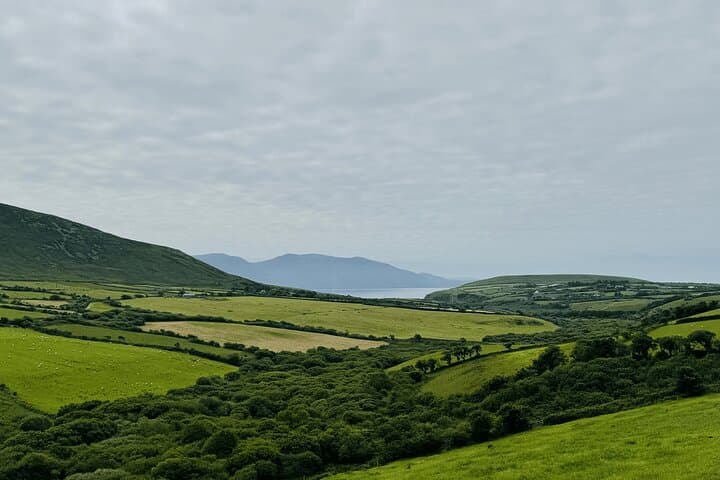
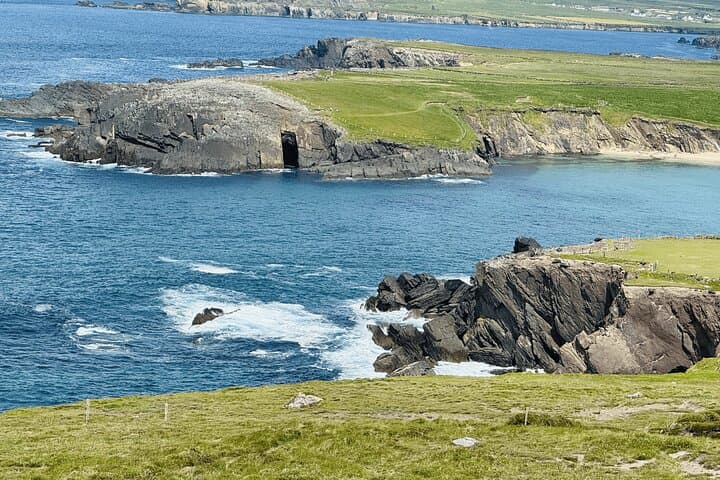
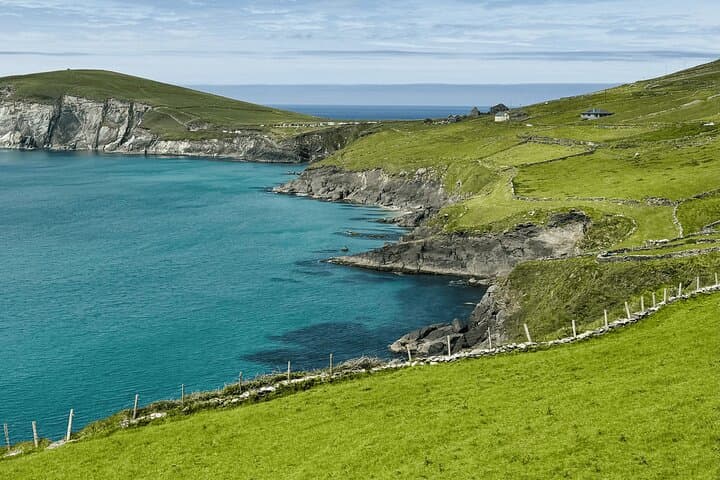
You step out of the vehicle onto a narrow cliff-top road and the Atlantic immediately demands your attention — wind pushing salt spray across your face, the Blasket Islands loomed like distant pages of history. The day unfolds as a measured loop: sweeping seascapes on Slea Head, the steep descent to Dunquin Pier, and the low, stone silhouette of Gallarus Oratory standing quietly above the grass.
Verified experiences and guided adventures in the surrounding area.
Operated by Private Kerry Day tours · Dingle, County Kerry
You step out of the vehicle onto a narrow cliff-top road and the Atlantic immediately demands your attention — wind pushing salt spray across your face, the Blasket Islands loomed like distant pages of history. The day unfolds as a measured loop: sweeping seascapes on Slea Head, the steep descent to Dunquin Pier, and the low, stone silhouette of Gallarus Oratory standing quietly above the grass.
This part of County Kerry bears deep human traces: early Christian beehive huts, monastic oratories, and the literary legacy of the Blasket Islanders. Geologically, the peninsula is a patchwork of Ordovician mudstones and Carboniferous limestones sculpted by glaciation and Atlantic storms, producing dramatic cliffs, wide beaches like Inch, and corrie lakes visible from the Conor Pass.
Culture here is palpable — Irish (Gaeilge) signs, pubs in Dingle serving fresh seafood, and local guides who can point to the villages where storytelling and song remain daily life. The Blasket Centre provides context for the islands’ evacuation in 1953 and the islanders’ contributions to Irish literature.
Practical guide: expect an 8-hour, private, vehicle-based day with multiple short walks and viewpoint stops. Roads are narrow; clockwise travel reduces bus encounters. Dress in waterproof layers and windproof shoes; weather can shift quickly. Allow time for unplanned stops — a quiet beach, a cluster of beehive huts, or a roadside conversation with a local. Photography windows are frequent; aim for morning light on the western cliffs or late afternoon for long shadows across the bays. Bring cash for small purchases and be prepared to slow down — this is a place that rewards lingering.
easy.
8 hours.
Suitable for most fitness levels; involves several short, low-elevation walks and standing at viewpoints.
The private tour runs about 8 hours, allowing multiple stops around Slea Head, Dunquin, Gallarus Oratory and Inch Beach.
Walking is minimal to moderate — short walks to viewpoints and archaeological sites; no technical trails required.
Yes — private tours are designed to be flexible; guides will adapt stops to interests and weather conditions.
Yes — the tour is accessible to most families; bring a car seat if required and note that some sites have uneven ground.
The peninsula contains early Christian structures and beehive huts; the Blasket Islands nearby sustained a vibrant Irish-speaking community until evacuation in 1953.
Stick to marked paths around archaeological sites and dunes; the area is sensitive to erosion and nesting birds, so avoid disturbing wildlife and flora.
Private Kerry Day tours operates guided outdoor trips and adventures with an emphasis on safety, stewardship, and memorable experiences.
You step out of the vehicle onto a narrow cliff-top road and the Atlantic immediately demands your attention — wind pushing salt spray across your face, the Blasket Islands loomed like distant pages of history. The day unfolds as a measured loop: sweeping seascapes on Slea Head, the steep descent to Dunquin Pier, and the low, stone silhouette of Gallarus Oratory standing quietly above the grass.
You step out of the vehicle onto a narrow cliff-top road and the Atlantic immediately demands your attention — wind pushing salt spray across your face, the Blasket Islands loomed like distant pages of history. The day unfolds as a measured loop: sweeping seascapes on Slea Head, the steep descent to Dunquin Pier, and the low, stone silhouette of Gallarus Oratory standing quietly above the grass.
This part of County Kerry bears deep human traces: early Christian beehive huts, monastic oratories, and the literary legacy of the Blasket Islanders. Geologically, the peninsula is a patchwork of Ordovician mudstones and Carboniferous limestones sculpted by glaciation and Atlantic storms, producing dramatic cliffs, wide beaches like Inch, and corrie lakes visible from the Conor Pass.
Culture here is palpable — Irish (Gaeilge) signs, pubs in Dingle serving fresh seafood, and local guides who can point to the villages where storytelling and song remain daily life. The Blasket Centre provides context for the islands’ evacuation in 1953 and the islanders’ contributions to Irish literature.
Practical guide: expect an 8-hour, private, vehicle-based day with multiple short walks and viewpoint stops. Roads are narrow; clockwise travel reduces bus encounters. Dress in waterproof layers and windproof shoes; weather can shift quickly. Allow time for unplanned stops — a quiet beach, a cluster of beehive huts, or a roadside conversation with a local. Photography windows are frequent; aim for morning light on the western cliffs or late afternoon for long shadows across the bays. Bring cash for small purchases and be prepared to slow down — this is a place that rewards lingering.