THE ADVENTURE COLLECTIVE® · Independent discovery and booking for outdoor travel

Explore Dharavi with a private guide, moving from micro-enterprises and laundry ghats to the sweeping views of Marine Drive. This full-day, customizable tour pairs an educational slum walk with classic Mumbai sights.
Explore Dharavi with a private guide, moving from micro-enterprises and laundry ghats to the sweeping views of Marine Drive. This full-day, customizable tour pairs an educational slum walk with classic Mumbai sights.
The morning light in Dharavi falls across narrow lanes where smoke from small kilns and the clang of metalwork mark the start of a long day. A guided walk here feels like stepping inside a living workshop — potters shaping clay, women embroidering, and men sorting mountains of recyclable plastics into ordered piles.
Verified experiences and guided adventures in the surrounding area.
Operated by Reality Tours & Travel Pvt Ltd · Mumbai, Maharashtra
The morning light in Dharavi falls across narrow lanes where smoke from small kilns and the clang of metalwork mark the start of a long day. A guided walk here feels like stepping inside a living workshop — potters shaping clay, women embroidering, and men sorting mountains of recyclable plastics into ordered piles.
Dharavi’s dense blocks grew from colonial-era settlements into one of Asia’s most industrious neighborhoods; its economy is a patchwork of microfactories and family-run trades. The city’s geology — reclaimed mangrove and coastal plain — explains the tight streets and low-rise buildings; the sea sits always at the edge of sight, audible from Malabar Hill and Marine Drive later in the day. Cultural layers overlap: Jain temples, mosques, Hindu shrines and community kitchens coexist within blocks, reflecting waves of migration to Mumbai.
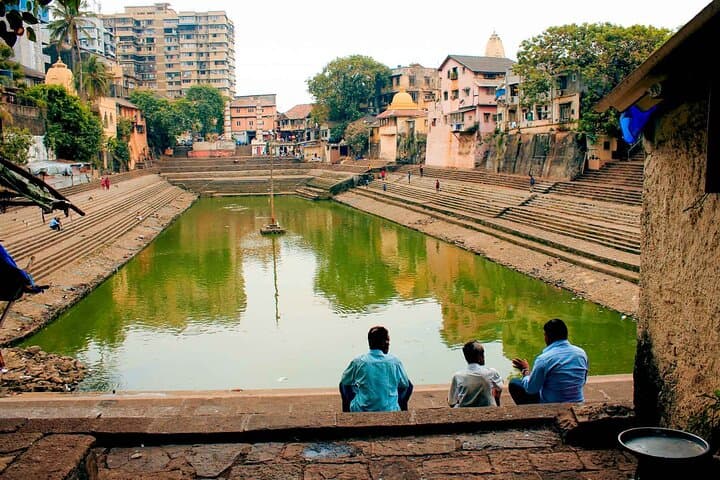
After the slum introduction, the tour opens out — the dhobi ghats where washermen drum sheets, the arcing sweep of Marine Drive, the 12th-century tank at Banganga and the sea-situated Haji Ali Mosque.
Practical guidance: wear sturdy closed-toe shoes for uneven lanes, carry small change for local purchases, and bring a refillable water bottle — guides typically provide cold drinks but days get hot. Photography is common but ask before shooting people. The full private itinerary runs about nine hours with hotel pickup, and it’s best scheduled early to avoid midday heat and crowds. This tour blends urban anthropology with hands-on observation, rewarding travelers who come ready to listen, learn and move at a local pace.
easy.
9 hours.
Suitable for most fitness levels; requires steady walking over uneven urban terrain for several hours
Yes — tours use experienced local guides and private transport; follow your guide’s advice about crowded areas and personal belongings.
Photography is common but always ask permission before photographing individuals or private workspaces; some businesses may decline.
Yes — the physical demand is moderate with flexible pacing; notify the operator of mobility needs during booking for adjustments.
Hotel pickup/drop-off, an English-speaking guide, driver, and bottled/cold water are typically included; entry fees to optional attractions may not be.
Dharavi expanded during the 19th and 20th centuries as migrants settled near industrial work; nearby CST and the Gateway of India reflect Mumbai’s colonial-era growth.
Practice responsible tourism by asking before entering workshops, avoiding single-use plastics, and buying directly from small producers to support the local economy.
Reality Tours & Travel Pvt Ltd operates guided outdoor trips and adventures with an emphasis on safety, stewardship, and memorable experiences.
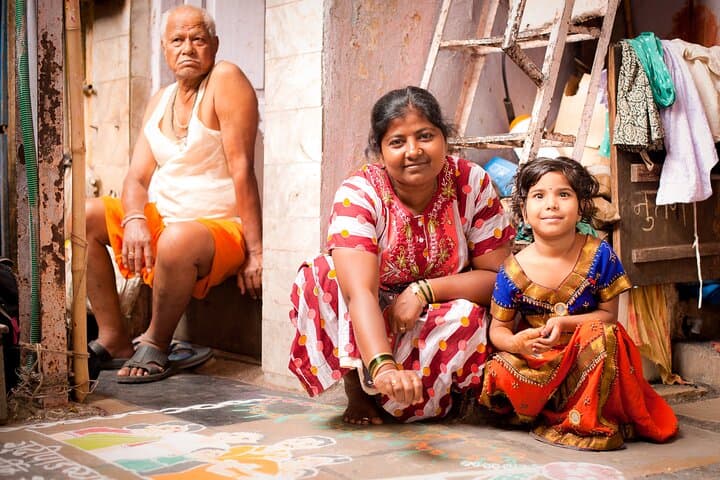
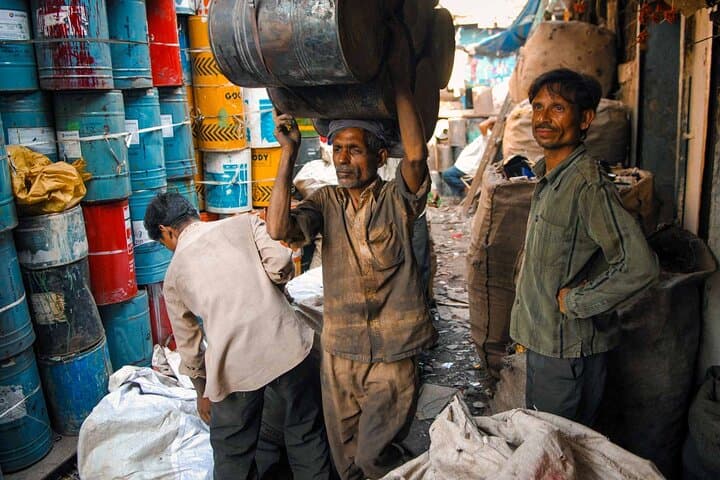
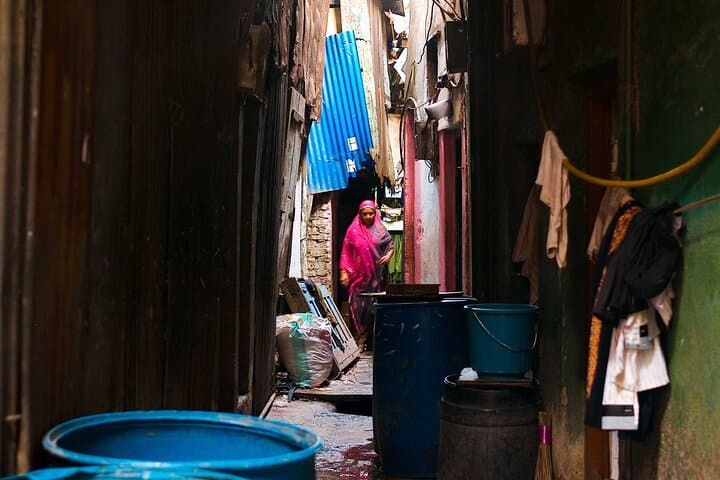
The morning light in Dharavi falls across narrow lanes where smoke from small kilns and the clang of metalwork mark the start of a long day. A guided walk here feels like stepping inside a living workshop — potters shaping clay, women embroidering, and men sorting mountains of recyclable plastics into ordered piles.
The morning light in Dharavi falls across narrow lanes where smoke from small kilns and the clang of metalwork mark the start of a long day. A guided walk here feels like stepping inside a living workshop — potters shaping clay, women embroidering, and men sorting mountains of recyclable plastics into ordered piles.
Dharavi’s dense blocks grew from colonial-era settlements into one of Asia’s most industrious neighborhoods; its economy is a patchwork of microfactories and family-run trades. The city’s geology — reclaimed mangrove and coastal plain — explains the tight streets and low-rise buildings; the sea sits always at the edge of sight, audible from Malabar Hill and Marine Drive later in the day. Cultural layers overlap: Jain temples, mosques, Hindu shrines and community kitchens coexist within blocks, reflecting waves of migration to Mumbai.
After the slum introduction, the tour opens out — the dhobi ghats where washermen drum sheets, the arcing sweep of Marine Drive, the 12th-century tank at Banganga and the sea-situated Haji Ali Mosque.
Practical guidance: wear sturdy closed-toe shoes for uneven lanes, carry small change for local purchases, and bring a refillable water bottle — guides typically provide cold drinks but days get hot. Photography is common but ask before shooting people. The full private itinerary runs about nine hours with hotel pickup, and it’s best scheduled early to avoid midday heat and crowds. This tour blends urban anthropology with hands-on observation, rewarding travelers who come ready to listen, learn and move at a local pace.