THE ADVENTURE COLLECTIVE® · Independent discovery and booking for outdoor travel

A guided, private walk through Dharavi that focuses on local workshops, Kumbharwada pottery, and the daily rhythms of one of Mumbai’s most industrious neighborhoods. Includes hotel pickup, bottled water, and an English-speaking guide.
A guided, private walk through Dharavi that focuses on local workshops, Kumbharwada pottery, and the daily rhythms of one of Mumbai’s most industrious neighborhoods. Includes hotel pickup, bottled water, and an English-speaking guide.
You step out of an air-conditioned car into a lane narrower than a city sidewalk and the alleys of Dharavi seem to inhale around you — aromas of spices, clay, and fresh laundry folding into the heat. A local guide threads the route, voice low and exact, introducing courtyard workshops where potters and leatherworkers shape everyday goods that travel far beyond these streets.
Verified experiences and guided adventures in the surrounding area.
Operated by MUMBAI TOUR VISION · Mumbai, Maharashtra
You step out of an air-conditioned car into a lane narrower than a city sidewalk and the alleys of Dharavi seem to inhale around you — aromas of spices, clay, and fresh laundry folding into the heat. A local guide threads the route, voice low and exact, introducing courtyard workshops where potters and leatherworkers shape everyday goods that travel far beyond these streets.
Dharavi’s story is practical and layered: a dense urban neighborhood that grew with waves of migrants and small-scale industry. The area sits adjacent to central Mumbai waterways like the Mithi River and Mahim Bay, its built fabric dominated by tightly packed housing and improvised factories rather than distinct geology. Culturally, Dharavi is a mosaic of languages, religions, and trades; Kumbharwada’s potters and recycling workshops are living archives of craft and enterprise.
Expect a 90-minute guided walk through residential alleys and artisan clusters, with stops at Kumbharwada and local enterprises; the private tour also includes hotel pick-up and bottled water. Photography requests are common — always ask before shooting people or workspaces. Wear closed-toe shoes for uneven concrete and occasional wet spots, and carry a lightweight layer for sudden bursts of AC inside vehicles or guest spaces.
This experience is less about voyeurism and more about context: hearing residents’ stories, seeing circular-economy microbusinesses, and understanding how urban density functions at human scale. For responsible travelers, the tour offers an accessible, eye-opening window into one of Mumbai’s most talked-about neighborhoods, balanced with practical logistics and local guidance.
easy.
3–4 hours.
Suitable for most fitness levels; requires standing and walking on flat but uneven surfaces for up to 90 minutes.
Yes — private guides are local and experienced; the route is well-traveled by tourists and residents, and hotel pickup/drop-off is included.
Photography is allowed but ask individuals and shop owners for permission first; some spaces may request a small fee.
The tour is generally family-friendly, but it’s not recommended for pregnant guests or those with serious back or heart conditions; check the provider’s restrictions.
Bottled water and tea/coffee are included; bring snacks if you need them between pickup and drop-off.
Dharavi grew over decades into a dense mix of housing and micro-industry, shaped by migration and entrepreneurship; its industries — from pottery to recycling — have long fed Mumbai’s supply chains.
Tours should prioritize respectful engagement and low-impact behavior; support local businesses directly and avoid disrupting workspaces to minimize negative effects.
MUMBAI TOUR VISION operates guided outdoor trips and adventures with an emphasis on safety, stewardship, and memorable experiences.
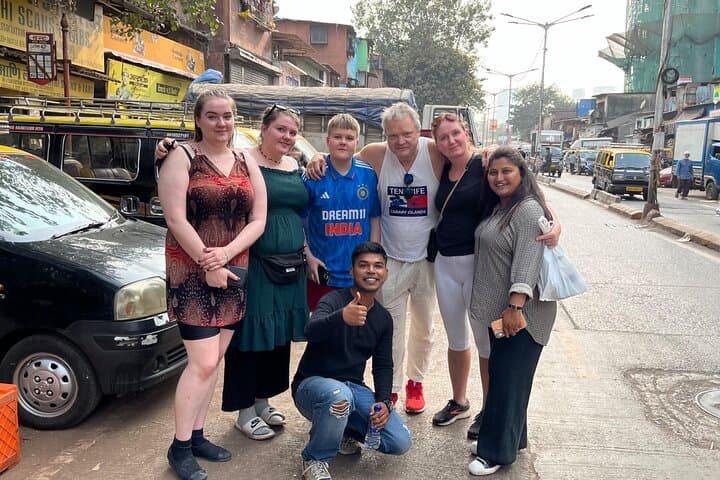
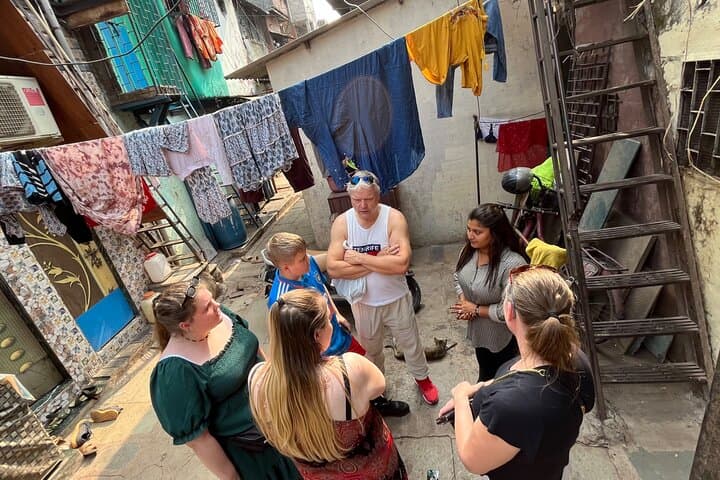
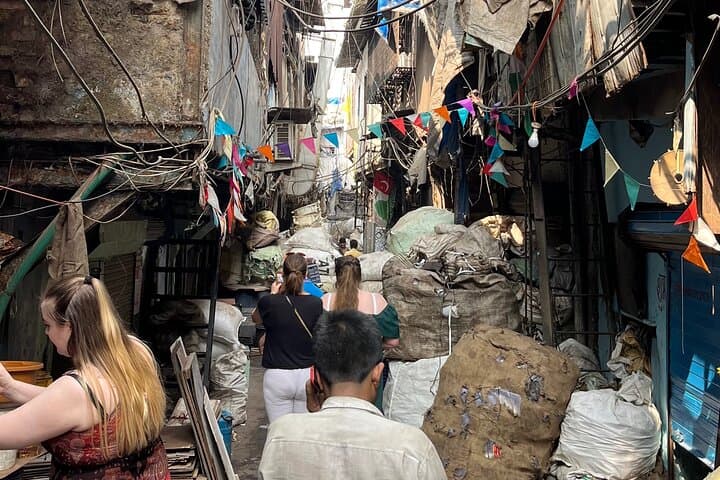
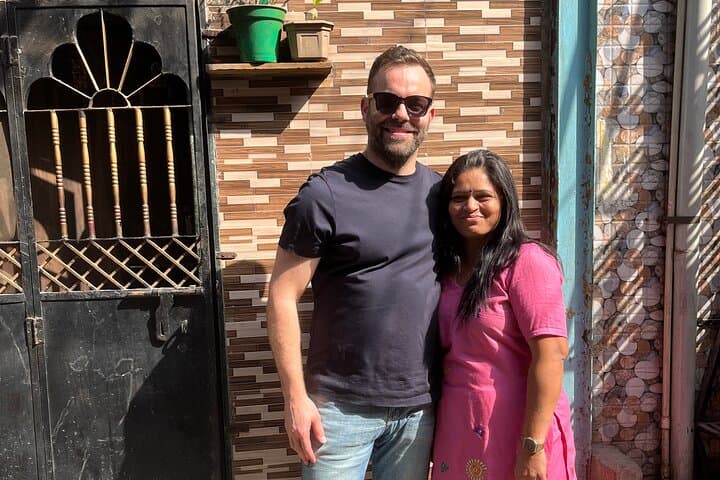
You step out of an air-conditioned car into a lane narrower than a city sidewalk and the alleys of Dharavi seem to inhale around you — aromas of spices, clay, and fresh laundry folding into the heat. A local guide threads the route, voice low and exact, introducing courtyard workshops where potters and leatherworkers shape everyday goods that travel far beyond these streets.
You step out of an air-conditioned car into a lane narrower than a city sidewalk and the alleys of Dharavi seem to inhale around you — aromas of spices, clay, and fresh laundry folding into the heat. A local guide threads the route, voice low and exact, introducing courtyard workshops where potters and leatherworkers shape everyday goods that travel far beyond these streets.
Dharavi’s story is practical and layered: a dense urban neighborhood that grew with waves of migrants and small-scale industry. The area sits adjacent to central Mumbai waterways like the Mithi River and Mahim Bay, its built fabric dominated by tightly packed housing and improvised factories rather than distinct geology. Culturally, Dharavi is a mosaic of languages, religions, and trades; Kumbharwada’s potters and recycling workshops are living archives of craft and enterprise.
Expect a 90-minute guided walk through residential alleys and artisan clusters, with stops at Kumbharwada and local enterprises; the private tour also includes hotel pick-up and bottled water. Photography requests are common — always ask before shooting people or workspaces. Wear closed-toe shoes for uneven concrete and occasional wet spots, and carry a lightweight layer for sudden bursts of AC inside vehicles or guest spaces.
This experience is less about voyeurism and more about context: hearing residents’ stories, seeing circular-economy microbusinesses, and understanding how urban density functions at human scale. For responsible travelers, the tour offers an accessible, eye-opening window into one of Mumbai’s most talked-about neighborhoods, balanced with practical logistics and local guidance.