THE ADVENTURE COLLECTIVE® · Independent discovery and booking for outdoor travel

A private, guided visit to Dendera Temple offers close views of Ptolemaic columns, ceiling astronomy and subterranean crypts. Expect a 4–6 hour roundtrip from Luxor with expert commentary and on‑site practicality for comfort and conservation.
A private, guided visit to Dendera Temple offers close views of Ptolemaic columns, ceiling astronomy and subterranean crypts. Expect a 4–6 hour roundtrip from Luxor with expert commentary and on‑site practicality for comfort and conservation.
You step out of an air‑conditioned vehicle into a wide Nile plain where windblown dust and the murmur of tractors meet carved stone older than many nations.
Verified experiences and guided adventures in the surrounding area.
Operated by Moamen · Dendera, Qena Governorate
You step out of an air‑conditioned vehicle into a wide Nile plain where windblown dust and the murmur of tractors meet carved stone older than many nations.
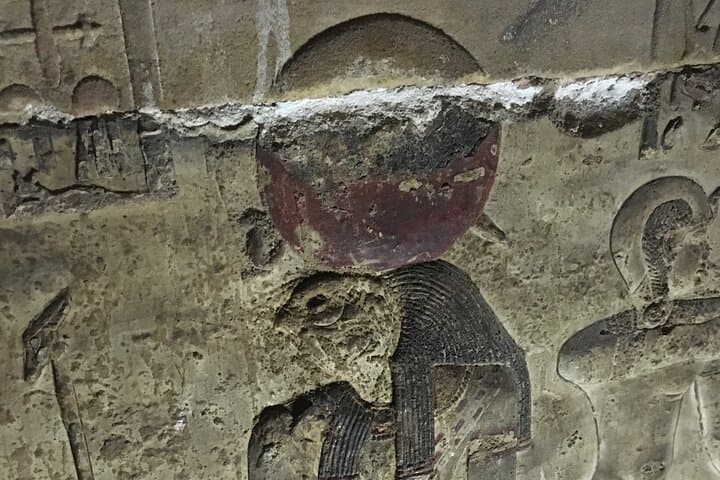
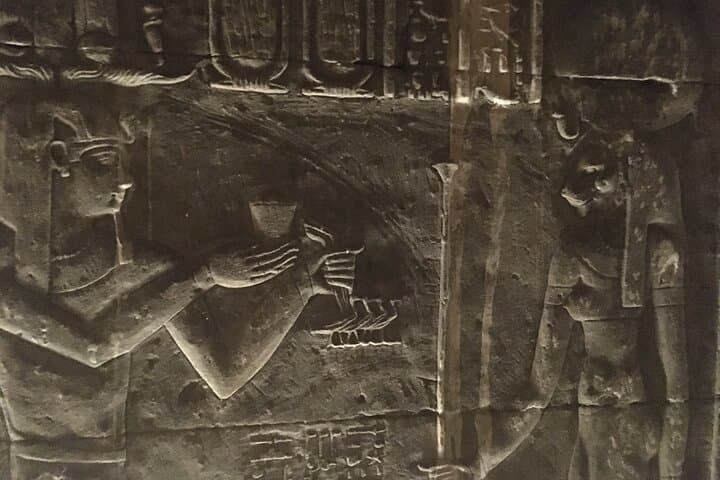
Dendera (often spelled Dandarah in older guides) sits north of Luxor on the river’s west bank corridor; the temple’s painted ceiling and towering hypostyle hall still hold the imprint of craftsmen who worked under Ptolemaic and Roman rule. The complex is dedicated to Hathor, goddess of music and sky, and the walls keep a record of rituals, astronomical diagrams and a famous zodiac that maps an ancient sky.
Geology here is visible in the building blocks: pale limestone quarried locally, weathered to soft reliefs that require careful handling. Cultural life around Dendera remains anchored in small agricultural towns; visiting means passing felucca‑spotted riverbanks and fields tended by hand.
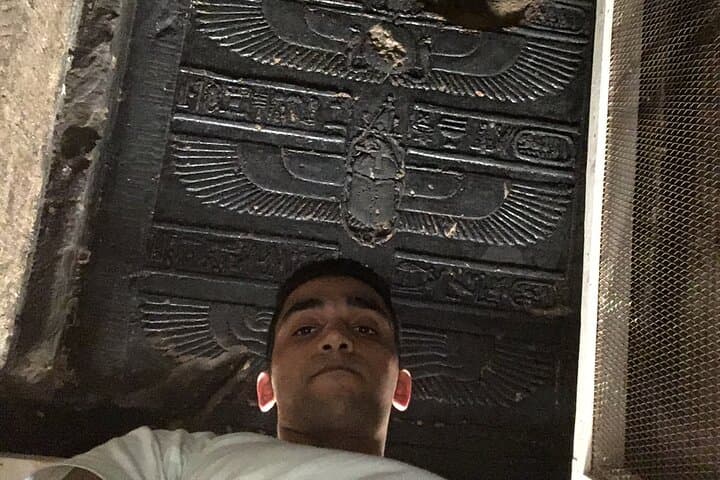
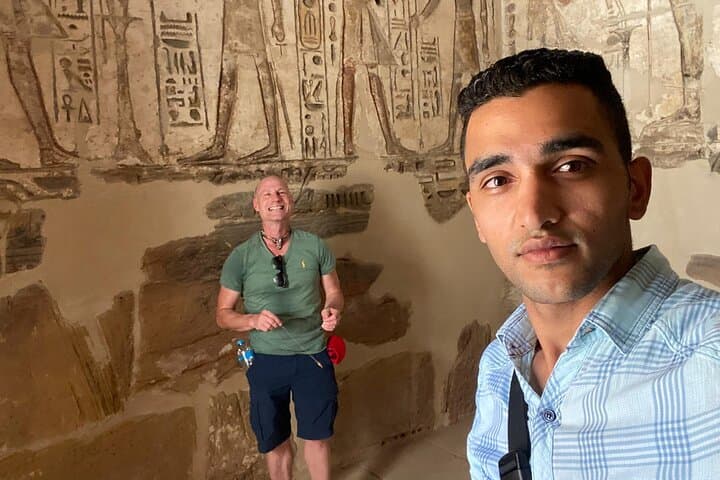
On this private tour expect a guided walk through the hypostyle hall, a descent into dim crypts where carvings crowd low chambers, and close views of ceiling paintings—flash photography is discouraged. Your guide will explain iconography, measurement systems and how Roman-era additions altered the original Ptolemaic plan.
Practical edge: plan for 4–6 hours including transfers from Luxor, wear sturdy shoes for uneven steps, carry sun protection and water (bottled water is provided on the tour). Visit in morning or late afternoon to avoid peak heat and to see painted reliefs with softer light. Respect the site: don’t touch painted surfaces, listen to the guide, and leave room for local worship and preservation efforts.
easy.
4–6 hours.
Light walking and several flights of stone steps; suitable for most fitness levels but may be uncomfortable for those with limited mobility.
Yes—this private tour lists admission as included, but confirm at booking if any special exhibitions carry extra fees.
Drive time is roughly 1–1.5 hours each way depending on traffic and pickup location; total tour time is about 4–6 hours.
Crypts are low and dim with uneven floors; they’re accessible to most visitors but require careful footing and some stooping.
Yes—an experienced Egyptologist guide will provide detailed interpretation of reliefs, zodiac motifs and religious rituals.
Dendera’s main temple was constructed in the Ptolemaic era with Roman additions; its ceiling paintings and the Dendera Zodiac reflect ancient Egyptian astronomical and religious practice.
The site is sensitive to humidity, sand and human contact; follow guidelines to avoid touching pigments and support local conservation by using licensed guides.
Moamen operates guided outdoor trips and adventures with an emphasis on safety, stewardship, and memorable experiences.
You step out of an air‑conditioned vehicle into a wide Nile plain where windblown dust and the murmur of tractors meet carved stone older than many nations.
You step out of an air‑conditioned vehicle into a wide Nile plain where windblown dust and the murmur of tractors meet carved stone older than many nations.
Dendera (often spelled Dandarah in older guides) sits north of Luxor on the river’s west bank corridor; the temple’s painted ceiling and towering hypostyle hall still hold the imprint of craftsmen who worked under Ptolemaic and Roman rule. The complex is dedicated to Hathor, goddess of music and sky, and the walls keep a record of rituals, astronomical diagrams and a famous zodiac that maps an ancient sky.
Geology here is visible in the building blocks: pale limestone quarried locally, weathered to soft reliefs that require careful handling. Cultural life around Dendera remains anchored in small agricultural towns; visiting means passing felucca‑spotted riverbanks and fields tended by hand.
On this private tour expect a guided walk through the hypostyle hall, a descent into dim crypts where carvings crowd low chambers, and close views of ceiling paintings—flash photography is discouraged. Your guide will explain iconography, measurement systems and how Roman-era additions altered the original Ptolemaic plan.
Practical edge: plan for 4–6 hours including transfers from Luxor, wear sturdy shoes for uneven steps, carry sun protection and water (bottled water is provided on the tour). Visit in morning or late afternoon to avoid peak heat and to see painted reliefs with softer light. Respect the site: don’t touch painted surfaces, listen to the guide, and leave room for local worship and preservation efforts.