THE ADVENTURE COLLECTIVE® · Independent discovery and booking for outdoor travel

A private full‑day tour from Athens that pairs Delphi’s ancient oracle and museum with the mountain charm of Arachova and a stop at Thermopylae. Travel in luxury, walk historic terraces, and learn with multilingual audio guides.
A private full‑day tour from Athens that pairs Delphi’s ancient oracle and museum with the mountain charm of Arachova and a stop at Thermopylae. Travel in luxury, walk historic terraces, and learn with multilingual audio guides.
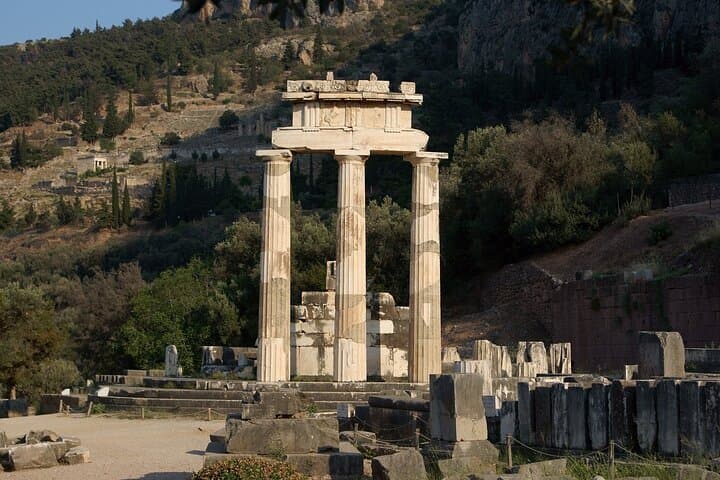
Morning light hits the limestone terraces above the Gulf of Corinth as a private car eases up the switchbacks toward Delphi. The air here smells faintly of pine and dust; the ruins sit like a quiet stage, the theater’s stones waiting for an audience. Travelers step out, guided by audio commentary and an attentive driver, to walk the sacred way where pilgrims once sought Apollo’s pronouncements.
Verified experiences and guided adventures in the surrounding area.
Operated by eTransfer.gr · Delphi, Phocis
Morning light hits the limestone terraces above the Gulf of Corinth as a private car eases up the switchbacks toward Delphi. The air here smells faintly of pine and dust; the ruins sit like a quiet stage, the theater’s stones waiting for an audience. Travelers step out, guided by audio commentary and an attentive driver, to walk the sacred way where pilgrims once sought Apollo’s pronouncements.
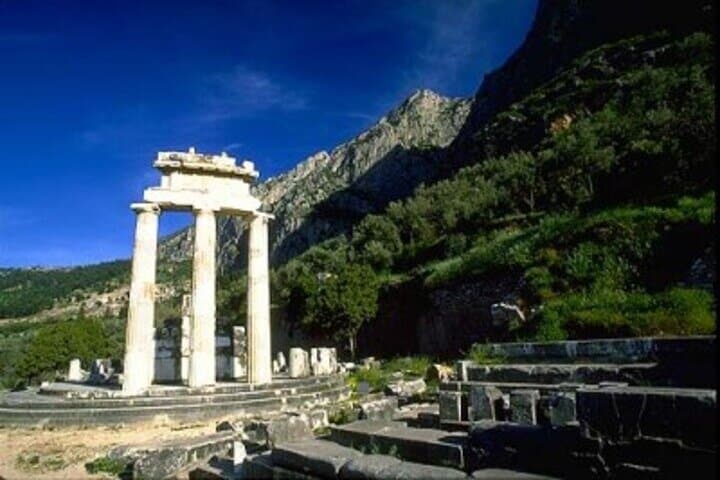
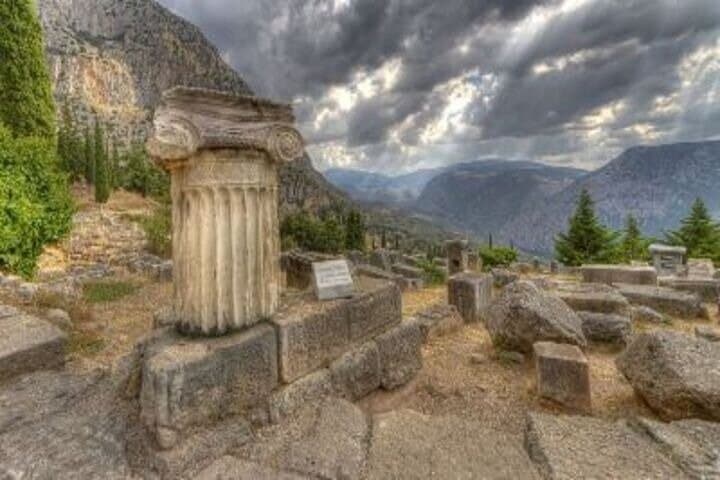
Delphi’s power comes from its layered past: a Bronze Age sanctuary expanded during the Archaic and Classical periods into a Pan‑Hellenic center. Geologically, Delphi perches on the slopes of limestone Mount Parnassus — karst forms, caves and bauxite seams remind visitors that this terrain was shaped as much by chemistry as myth. Nearby Thermopylae’s narrow coastal plain and the hillside town of Arachova show a contrasting human geography of battlefields, thermal springs and mountain craft traditions.
Expect uneven marble steps, exposed foundations and sweeping views over olive‑dotted valleys. The Archaeological Museum houses the Charioteer and Siphnian frieze; the Castalian Spring and the treasury foundations explain devotional practice. Arachova provides a practical counterpoint: coffee, local textiles and a chance to taste black wine.
Practical guidance: arrive with sturdy footwear for stepped terrain, carry water and a charged device for the audio tour, and plan for midday heat or sudden mountain wind. Aim to visit early or late afternoon to avoid crowds and the harshest sun. Respect ropes and signage — preservation depends on patient visitors.
easy.
10 hours.
Light to moderate fitness for walking short distances, mounting stepped terraces and standing during museum visits.
Admission is not included by default; check the booking details and bring cash or card for entry fees if required.
Pickup is available from Athens hotels or specified addresses—confirm your pickup point and time during booking.
Yes; the itinerary is physically easy but includes uneven terrain and steps; arrange infant seats if needed and notify for mobility concerns.
This is a private tour, so stops and timing can often be adjusted—confirm any changes with the operator before the day of travel.
Delphi was the seat of the Pythia, the oracle of Apollo and a major religious center whose amphictyonic council regulated offerings and games from the 8th century BC onward.
High visitor pressure can erode exposed marble and archaeological contexts; stay on marked paths, avoid touching sculptures and support local preservation fees when possible.
eTransfer.gr operates guided outdoor trips and adventures with an emphasis on safety, stewardship, and memorable experiences.

Morning light hits the limestone terraces above the Gulf of Corinth as a private car eases up the switchbacks toward Delphi. The air here smells faintly of pine and dust; the ruins sit like a quiet stage, the theater’s stones waiting for an audience. Travelers step out, guided by audio commentary and an attentive driver, to walk the sacred way where pilgrims once sought Apollo’s pronouncements.
Morning light hits the limestone terraces above the Gulf of Corinth as a private car eases up the switchbacks toward Delphi. The air here smells faintly of pine and dust; the ruins sit like a quiet stage, the theater’s stones waiting for an audience. Travelers step out, guided by audio commentary and an attentive driver, to walk the sacred way where pilgrims once sought Apollo’s pronouncements.
Delphi’s power comes from its layered past: a Bronze Age sanctuary expanded during the Archaic and Classical periods into a Pan‑Hellenic center. Geologically, Delphi perches on the slopes of limestone Mount Parnassus — karst forms, caves and bauxite seams remind visitors that this terrain was shaped as much by chemistry as myth. Nearby Thermopylae’s narrow coastal plain and the hillside town of Arachova show a contrasting human geography of battlefields, thermal springs and mountain craft traditions.
Expect uneven marble steps, exposed foundations and sweeping views over olive‑dotted valleys. The Archaeological Museum houses the Charioteer and Siphnian frieze; the Castalian Spring and the treasury foundations explain devotional practice. Arachova provides a practical counterpoint: coffee, local textiles and a chance to taste black wine.
Practical guidance: arrive with sturdy footwear for stepped terrain, carry water and a charged device for the audio tour, and plan for midday heat or sudden mountain wind. Aim to visit early or late afternoon to avoid crowds and the harshest sun. Respect ropes and signage — preservation depends on patient visitors.