THE ADVENTURE COLLECTIVE® · Independent discovery and booking for outdoor travel

Spend six focused hours tracing Delhi’s spiritual map—Mughal mosques, Sikh langar halls, the Lotus Temple and Akshardham—by private car and a short tuk‑tuk ride through Old Delhi. This guided tour balances cultural context with practical tips on timing, dress code and entry requirements.
Spend six focused hours tracing Delhi’s spiritual map—Mughal mosques, Sikh langar halls, the Lotus Temple and Akshardham—by private car and a short tuk‑tuk ride through Old Delhi. This guided tour balances cultural context with practical tips on timing, dress code and entry requirements.
Morning light falls across red sandstone and white marble as a tuk‑tuk threads its way through Chandni Chowk, weaving between hawkers and the low arches of Mughal-era gateways. You arrive at courtyards where shoes come off and voices drop—the air thick with spice dust, incense and the cadence of ritual.
Verified experiences and guided adventures in the surrounding area.
Operated by Keeper Landwey · Delhi, Delhi
Morning light falls across red sandstone and white marble as a tuk‑tuk threads its way through Chandni Chowk, weaving between hawkers and the low arches of Mughal-era gateways. You arrive at courtyards where shoes come off and voices drop—the air thick with spice dust, incense and the cadence of ritual.
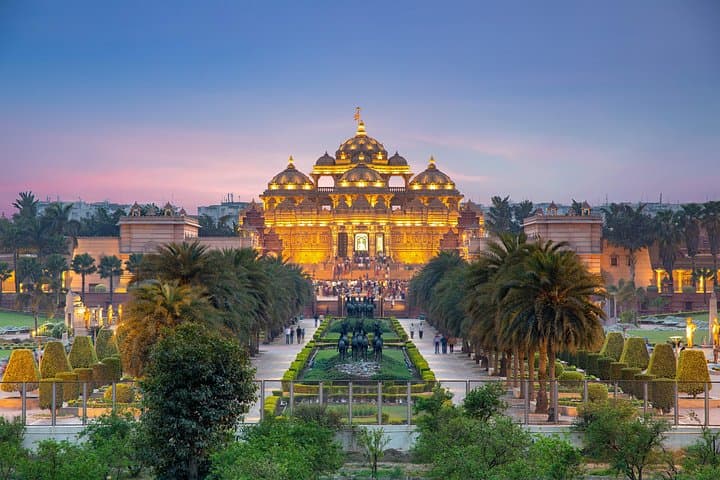
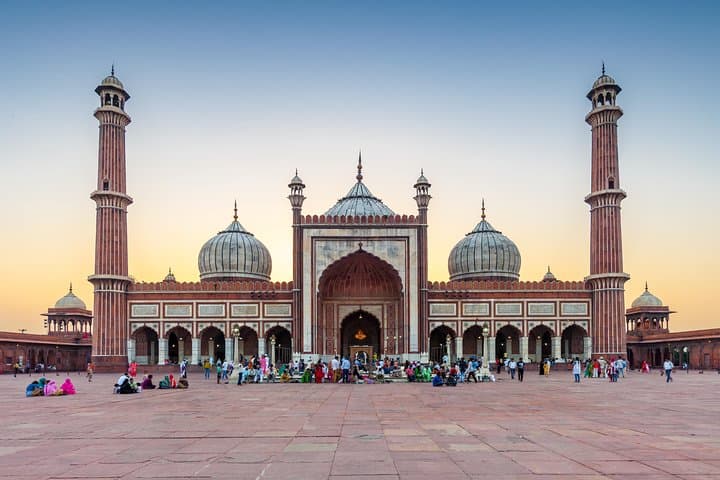
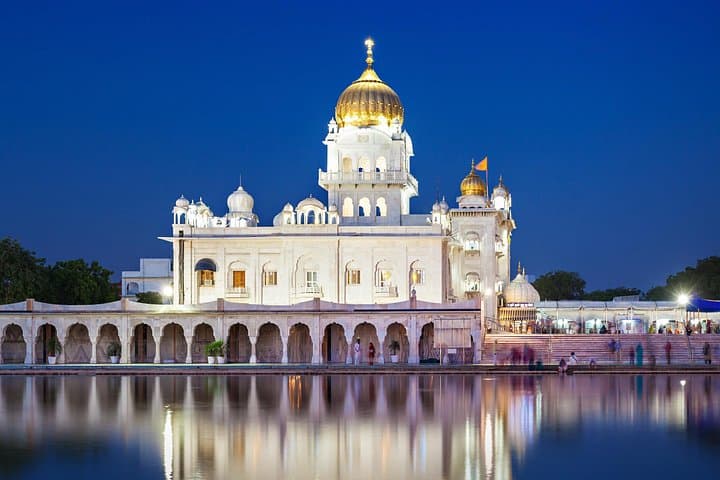
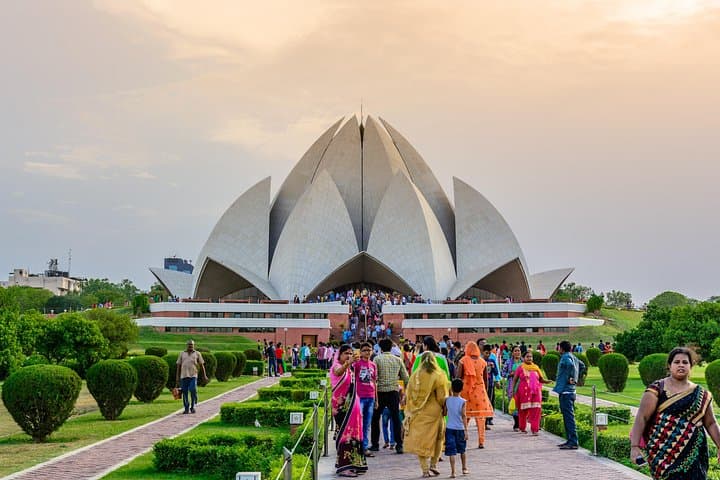
This six‑hour circuit links landmarks spanning centuries: the Mughal grandeur of the Red Fort and Jama Masjid, the community kitchens of Gurudwara Sis Ganj, the minimalist curves of the Lotus (Baha'i) Temple and the modern ornament of Akshardham. Geologically, Delhi sits on an alluvial plain of the Yamuna floodplain—flat, hot and built on layers of silt that supported empires and dense markets. Culturally the route is a visible cross‑section of India’s plural traditions: Islam, Hinduism, Sikhism, Jainism and Baha’i practices each shape rituals, foodways and rules of access.
Practical guidance: tours run with private AC transfer and a local guide; pick a start between 8–10 AM to avoid afternoon heat and long prayer lines. Respect dress codes—cover shoulders and knees—and expect to remove shoes at many sites. Carry ID for ticketed entries; Lotus Temple and Akshardham close on Mondays and may require timed entry windows. The pace alternates short walks with vehicle transfers, a brief tuk‑tuk ride in Old Delhi, and one included lunch stop. Hydrate frequently, keep valuables secure in busy bazaars, and allow the guide to handle permits and local etiquette.
This itinerary suits travelers who want a concentrated, accessible overview of Delhi’s spiritual geography without the strain of long urban walks.
easy.
6 hours.
Suitable for most fitness levels; involves short stretches of walking and standing with vehicle transfers between sites.
Most sites on this tour include entry or outside viewing; some places (like certain galleries at Akshardham) may have separate fees—your guide will clarify during booking.
Cover shoulders and knees; be prepared to remove shoes at mosques, gurdwaras and many Hindu and Jain temples—carry socks or foot-coverings if you prefer.
The tour and transport are listed as wheelchair accessible, though some historic sites have steps or uneven surfaces—check specific requirements with your operator when booking.
Yes, private format allows adjustments—mention special interests, mobility limits or temple preferences at booking to tailor stops and pace.
Delhi’s sites trace layers of history from Mughal-era forts and mosques to modern Baha’i and Swaminarayan temples, reflecting centuries of religious exchange and urban growth.
Respect sacred spaces by not leaving litter, follow guides’ rules about photography, and support local vendors and licensed guides to keep tourism benefits local and sustainable.
Keeper Landwey operates guided outdoor trips and adventures with an emphasis on safety, stewardship, and memorable experiences.
Morning light falls across red sandstone and white marble as a tuk‑tuk threads its way through Chandni Chowk, weaving between hawkers and the low arches of Mughal-era gateways. You arrive at courtyards where shoes come off and voices drop—the air thick with spice dust, incense and the cadence of ritual.
Morning light falls across red sandstone and white marble as a tuk‑tuk threads its way through Chandni Chowk, weaving between hawkers and the low arches of Mughal-era gateways. You arrive at courtyards where shoes come off and voices drop—the air thick with spice dust, incense and the cadence of ritual.
This six‑hour circuit links landmarks spanning centuries: the Mughal grandeur of the Red Fort and Jama Masjid, the community kitchens of Gurudwara Sis Ganj, the minimalist curves of the Lotus (Baha'i) Temple and the modern ornament of Akshardham. Geologically, Delhi sits on an alluvial plain of the Yamuna floodplain—flat, hot and built on layers of silt that supported empires and dense markets. Culturally the route is a visible cross‑section of India’s plural traditions: Islam, Hinduism, Sikhism, Jainism and Baha’i practices each shape rituals, foodways and rules of access.
Practical guidance: tours run with private AC transfer and a local guide; pick a start between 8–10 AM to avoid afternoon heat and long prayer lines. Respect dress codes—cover shoulders and knees—and expect to remove shoes at many sites. Carry ID for ticketed entries; Lotus Temple and Akshardham close on Mondays and may require timed entry windows. The pace alternates short walks with vehicle transfers, a brief tuk‑tuk ride in Old Delhi, and one included lunch stop. Hydrate frequently, keep valuables secure in busy bazaars, and allow the guide to handle permits and local etiquette.
This itinerary suits travelers who want a concentrated, accessible overview of Delhi’s spiritual geography without the strain of long urban walks.