THE ADVENTURE COLLECTIVE® · Independent discovery and booking for outdoor travel

Spend a private day cooking in a Delhi family kitchen—learn spice techniques, make 3–4 mains and multiple snacks, then share a sit-down meal. This hands-on class blends practical technique with cultural context for home cooks.
Spend a private day cooking in a Delhi family kitchen—learn spice techniques, make 3–4 mains and multiple snacks, then share a sit-down meal. This hands-on class blends practical technique with cultural context for home cooks.
The apartment smells of warm cardamom and frying spice as you step off a busy Delhi lane into a quiet household kitchen. Light filters through a window above the sink; spice jars line a shelf and the hosts greet you with steaming masala chai and a plate of crisp pakora. This is not a restaurant demo but a slowing down—hands-on, conversational, and threaded with family stories.
Verified experiences and guided adventures in the surrounding area.
Operated by Indiavaluetrips · New Delhi, Delhi
The apartment smells of warm cardamom and frying spice as you step off a busy Delhi lane into a quiet household kitchen. Light filters through a window above the sink; spice jars line a shelf and the hosts greet you with steaming masala chai and a plate of crisp pakora. This is not a restaurant demo but a slowing down—hands-on, conversational, and threaded with family stories.
Delhi sits at the crossroads of North Indian culinary traditions: Mughal braises, Punjabi breads, and streetwise chaat techniques converge here. The class opens with a spices demo—whole cumin, kala jeera, garam masala—then moves to snacks, a hot tea, and a session where you prepare three to four mains: a slow-cooked lamb or chicken curry, a paneer dish, a seasonal vegetable, a lentil, flatbreads, and biryani, finished with a milk-based sweet.
Beyond recipes, hosts explain regional variations, festival uses, and how household kitchens adapt techniques passed through generations. Expect practical tips for recreating textures at home: tempering (tadka), balancing heat with dairy or acid, and quick spice blends.
Practicalities: the class is private, about 6–7 hours including tasting, and suitable for cooks of all levels. Wear closed-toe shoes and clothes you don’t mind splashing; the hosts can accommodate dietary preferences if arranged in advance. Bring curiosity, ask about spice substitutions, and leave with recipes and a fuller sense of how food shapes everyday life in Delhi.
easy.
6–7 hours.
Light activity level—standing and light food prep for several hours; basic stamina helpful.
Yes—hosts will finalize a menu by email and can adjust dishes to be vegetarian or to avoid specific ingredients when notified in advance.
This is a private experience designed for your party only; size is limited to the booking to keep instruction hands-on.
English is commonly used; if you require another language, mention it when booking and the hosts will try to accommodate.
No transport is included; public transport options are nearby and hosts will provide address and arrival instructions.
Delhi’s cuisine reflects centuries of Mughal, Persian, and indigenous influences; many household techniques are adaptations of these layered traditions.
Hosts often emphasize minimizing food waste and using seasonal vegetables; ask about sourcing to support local markets and small producers.
Indiavaluetrips operates guided outdoor trips and adventures with an emphasis on safety, stewardship, and memorable experiences.
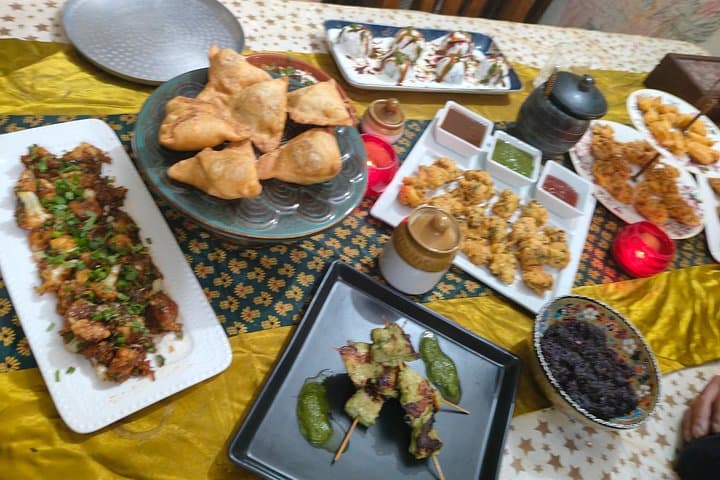
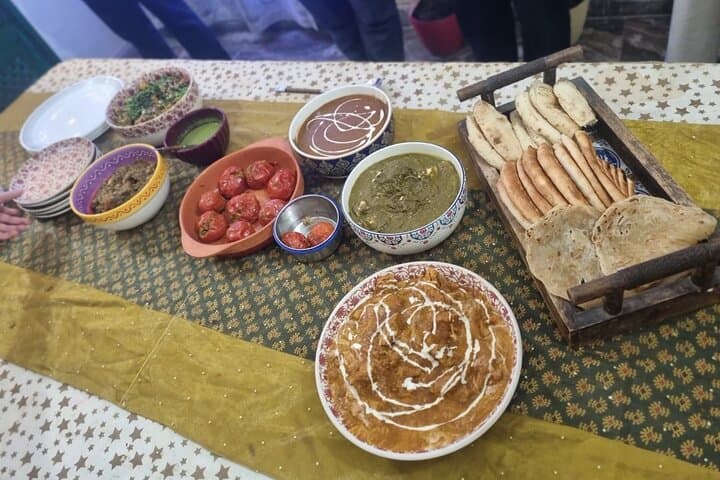
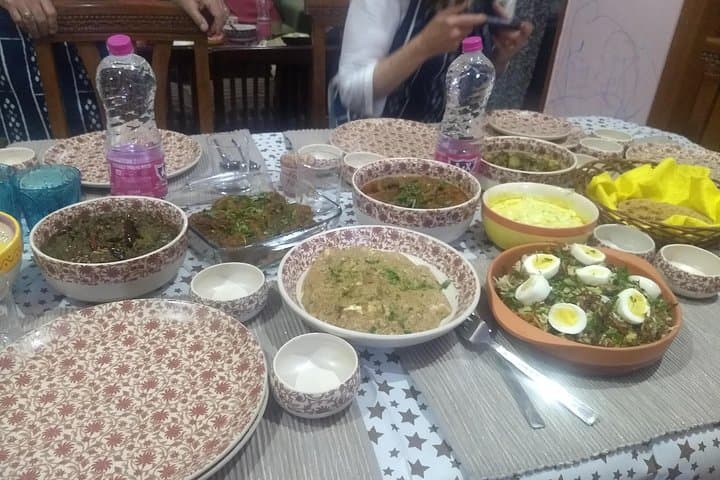
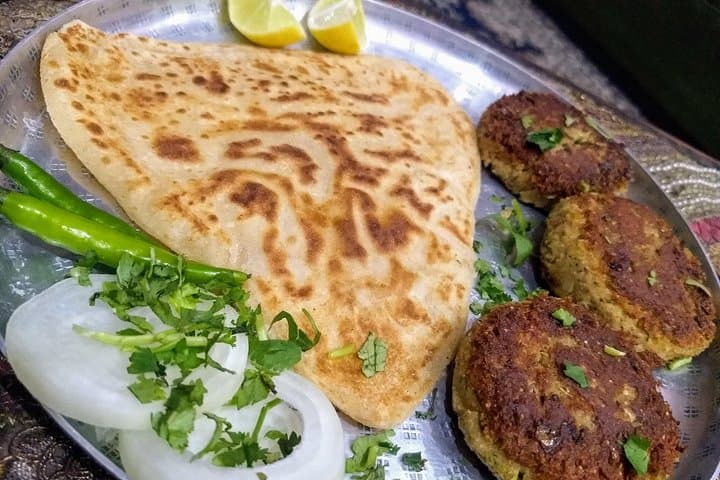
The apartment smells of warm cardamom and frying spice as you step off a busy Delhi lane into a quiet household kitchen. Light filters through a window above the sink; spice jars line a shelf and the hosts greet you with steaming masala chai and a plate of crisp pakora. This is not a restaurant demo but a slowing down—hands-on, conversational, and threaded with family stories.
The apartment smells of warm cardamom and frying spice as you step off a busy Delhi lane into a quiet household kitchen. Light filters through a window above the sink; spice jars line a shelf and the hosts greet you with steaming masala chai and a plate of crisp pakora. This is not a restaurant demo but a slowing down—hands-on, conversational, and threaded with family stories.
Delhi sits at the crossroads of North Indian culinary traditions: Mughal braises, Punjabi breads, and streetwise chaat techniques converge here. The class opens with a spices demo—whole cumin, kala jeera, garam masala—then moves to snacks, a hot tea, and a session where you prepare three to four mains: a slow-cooked lamb or chicken curry, a paneer dish, a seasonal vegetable, a lentil, flatbreads, and biryani, finished with a milk-based sweet.
Beyond recipes, hosts explain regional variations, festival uses, and how household kitchens adapt techniques passed through generations. Expect practical tips for recreating textures at home: tempering (tadka), balancing heat with dairy or acid, and quick spice blends.
Practicalities: the class is private, about 6–7 hours including tasting, and suitable for cooks of all levels. Wear closed-toe shoes and clothes you don’t mind splashing; the hosts can accommodate dietary preferences if arranged in advance. Bring curiosity, ask about spice substitutions, and leave with recipes and a fuller sense of how food shapes everyday life in Delhi.