THE ADVENTURE COLLECTIVE® · Independent discovery and booking for outdoor travel

Float in the planet’s lowest lake and slather on mineral mud during a private day trip from Amman. This half-day excursion pairs salty buoyancy with easy access to shoreline facilities and local markets.
Float in the planet’s lowest lake and slather on mineral mud during a private day trip from Amman. This half-day excursion pairs salty buoyancy with easy access to shoreline facilities and local markets.
You step out of an air-conditioned vehicle and the horizon feels different—the road drops, the air grows heavier, and a mirrorlike sea lies lower than anywhere on earth. The Jordanian shore of the Dead Sea greets visitors with sharp salt crusts, glassy water, and an odd buoyancy that makes standing feel optional.
Verified experiences and guided adventures in the surrounding area.
Operated by Meet and Greet Amman · Sweimeh, Balqa
You step out of an air-conditioned vehicle and the horizon feels different—the road drops, the air grows heavier, and a mirrorlike sea lies lower than anywhere on earth. The Jordanian shore of the Dead Sea greets visitors with sharp salt crusts, glassy water, and an odd buoyancy that makes standing feel optional.
Geology here is obvious: the Dead Sea sits roughly 430 meters below sea level, a closed basin collecting minerals and runoff from the Jordan Valley for millennia. People have come for its salts since antiquity — from Nabatean traders to Roman physicians — and the area carries that layered history in roadside ruins, scattered pottery fragments, and local lore about therapeutic mud.
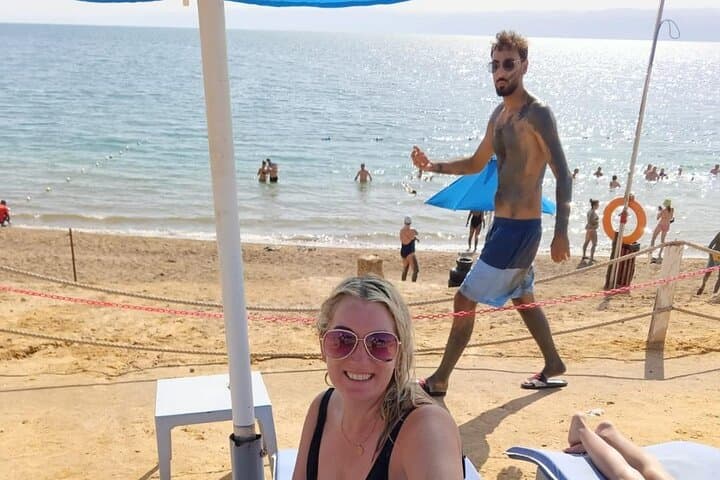
Culturally, the day trip blends modern resort facilities with small local markets in nearby Sweimeh where artisans sell soaps and mineral-based products. The experience centers on floating in high-salinity water, applying mineral-rich mud touted for skin benefits, and soaking in panoramic desert light.
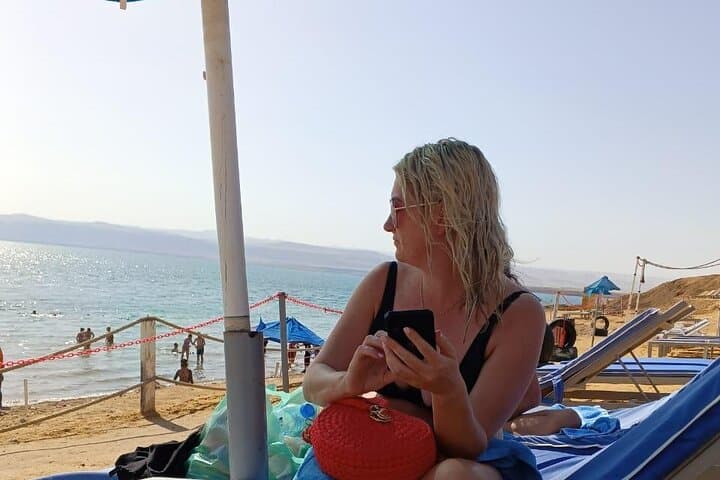
Practical guidance: expect about a 60–90 minute drive each way from Amman and plan for a 5–6 hour outing. Bring a swimsuit, towel, and sturdy sandals for the salt flats; don’t shave within 24 hours of floating and rinse off thoroughly after mud treatments. Protect electronics from salt spray and avoid swallowing water.
Timing matters — mornings and late afternoons offer softer light and cooler temperatures. Treat the shoreline with care: the Dead Sea is shrinking, and local conservation measures mean staying on marked paths and leaving no trace.
easy.
5–6 hours.
Suitable for most fitness levels; requires only short walks and the ability to enter and exit shallow water.
Typical drive time is about 60–90 minutes each way depending on traffic and route.
Most people float easily due to high salinity, but those with open wounds or certain skin conditions should consult a doctor before entering.
Many day trips include access to mud areas and basic facilities, but premium spa services may be extra at resort locations.
Salt is corrosive—use a waterproof pouch and keep electronics sealed; rinse any gear that contacts saltwater.
The Dead Sea’s salts and bitumen were exploited since Biblical times and by successive civilizations for trade, cosmetics, and medicinal uses.
Water diversion and evaporation ponds have lowered sea levels dramatically; visitors should stay on marked areas, avoid removing natural salt or mud, and minimize plastic use.
Meet and Greet Amman operates guided outdoor trips and adventures with an emphasis on safety, stewardship, and memorable experiences.
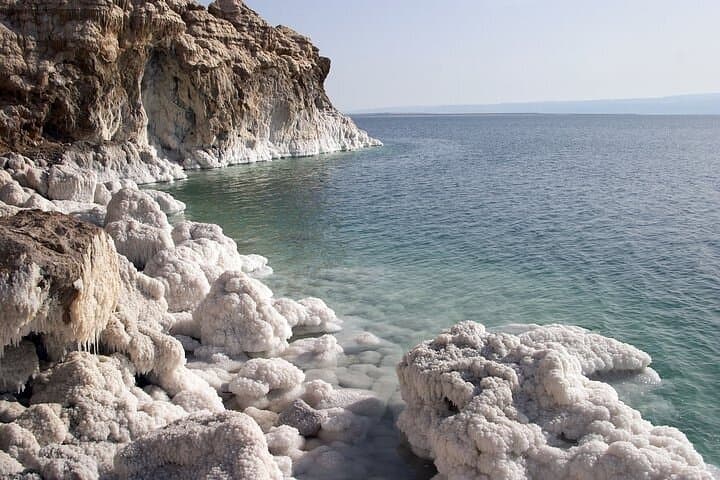
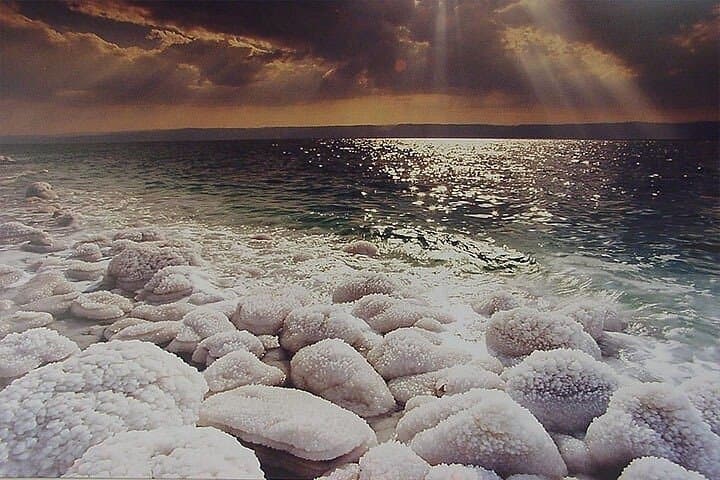
You step out of an air-conditioned vehicle and the horizon feels different—the road drops, the air grows heavier, and a mirrorlike sea lies lower than anywhere on earth. The Jordanian shore of the Dead Sea greets visitors with sharp salt crusts, glassy water, and an odd buoyancy that makes standing feel optional.
You step out of an air-conditioned vehicle and the horizon feels different—the road drops, the air grows heavier, and a mirrorlike sea lies lower than anywhere on earth. The Jordanian shore of the Dead Sea greets visitors with sharp salt crusts, glassy water, and an odd buoyancy that makes standing feel optional.
Geology here is obvious: the Dead Sea sits roughly 430 meters below sea level, a closed basin collecting minerals and runoff from the Jordan Valley for millennia. People have come for its salts since antiquity — from Nabatean traders to Roman physicians — and the area carries that layered history in roadside ruins, scattered pottery fragments, and local lore about therapeutic mud.
Culturally, the day trip blends modern resort facilities with small local markets in nearby Sweimeh where artisans sell soaps and mineral-based products. The experience centers on floating in high-salinity water, applying mineral-rich mud touted for skin benefits, and soaking in panoramic desert light.
Practical guidance: expect about a 60–90 minute drive each way from Amman and plan for a 5–6 hour outing. Bring a swimsuit, towel, and sturdy sandals for the salt flats; don’t shave within 24 hours of floating and rinse off thoroughly after mud treatments. Protect electronics from salt spray and avoid swallowing water.
Timing matters — mornings and late afternoons offer softer light and cooler temperatures. Treat the shoreline with care: the Dead Sea is shrinking, and local conservation measures mean staying on marked paths and leaving no trace.