THE ADVENTURE COLLECTIVE® · Independent discovery and booking for outdoor travel

Take a private, guided walk from the Washington Monument to the Lincoln Memorial and explore the stories behind America’s most visited memorials. This focused 2–2.5 hour tour blends interpretation with easy walking on the National Mall.
Take a private, guided walk from the Washington Monument to the Lincoln Memorial and explore the stories behind America’s most visited memorials. This focused 2–2.5 hour tour blends interpretation with easy walking on the National Mall.
You step onto 17th Street as the Mall opens before you: broad lawn, rows of flagpoles, and the Washington Monument puncturing the skyline. The guide falls into an easy cadence, pointing out dates carved in stone and stories folded into bronze. Benches dot the route; the river and Tidal Basin lie like a low, watching presence to the south.
Verified experiences and guided adventures in the surrounding area.
Operated by Rethinking History · Washington, District of Columbia
You step onto 17th Street as the Mall opens before you: broad lawn, rows of flagpoles, and the Washington Monument puncturing the skyline. The guide falls into an easy cadence, pointing out dates carved in stone and stories folded into bronze. Benches dot the route; the river and Tidal Basin lie like a low, watching presence to the south.
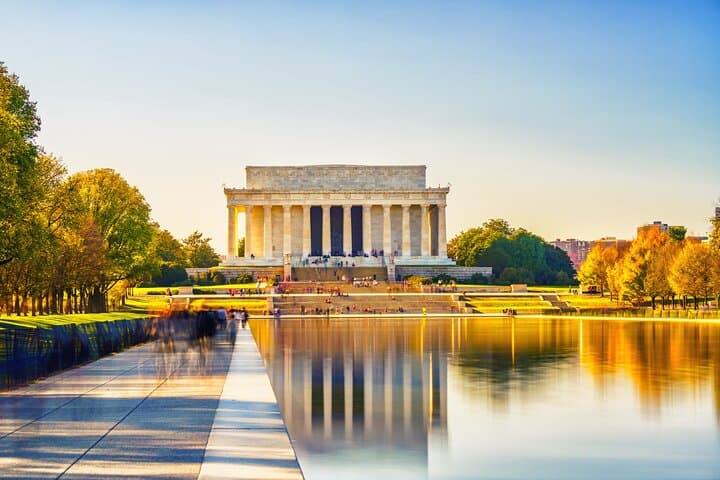
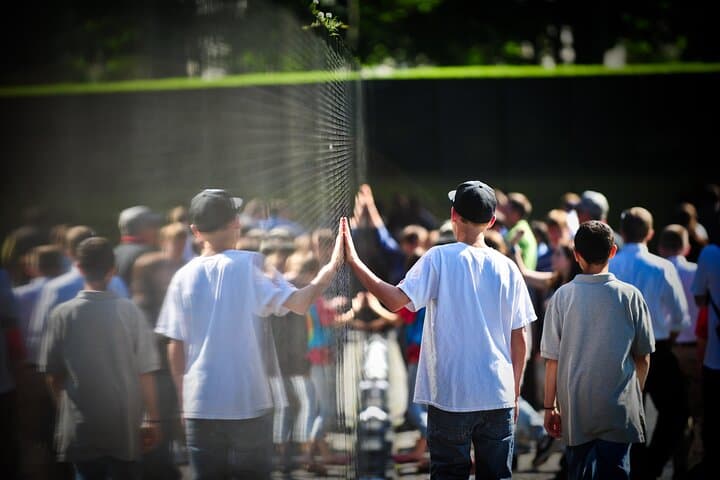
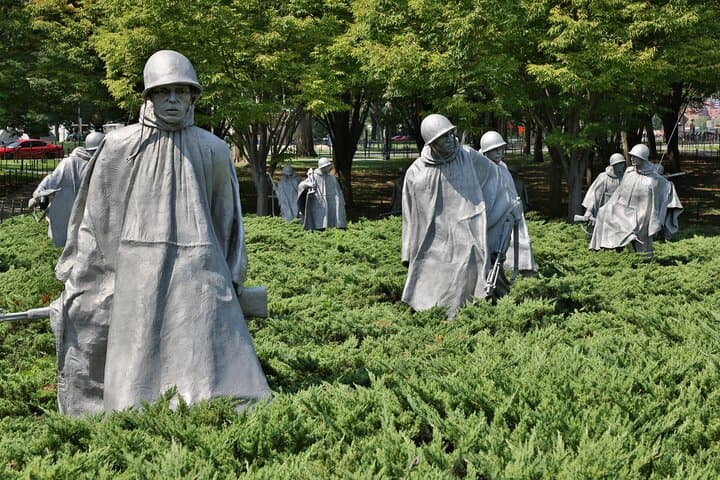
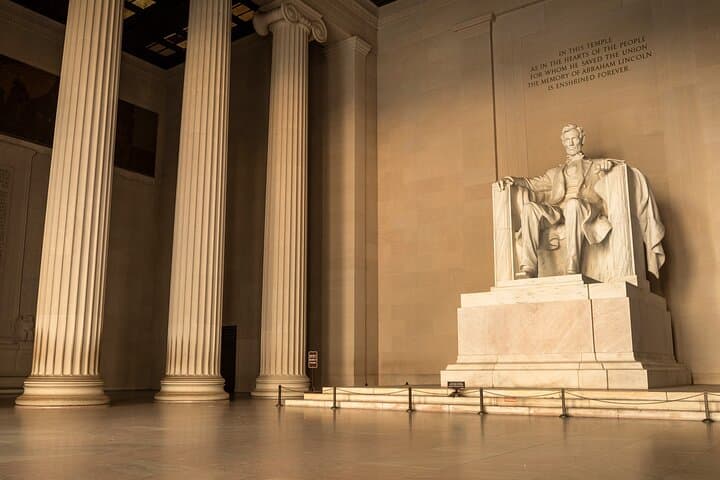
These memorials occupy a relatively young civic landscape built on reclaimed tidal flats and federal planning from the 19th and 20th centuries. The Washington Monument, Lincoln Memorial and the reflective wall of the Vietnam Veterans Memorial each reveal a different era of public memory — neoclassical ambition, Civil War grief and late-20th-century commemoration. Expect short interpretive stops at the WWII and Korean War memorials as well; the city’s monuments are as much about politics and public debate as they are about sculpture and stone.
Culturally, the National Mall is a working civic stage: rallies, quiet ceremonies, school groups and solitary visitors all passing through. The air often carries birdsong, the occasional vendor call, and the predictable echo between the Lincoln steps.
Practical guidance: this private walk covers about a mile one-way with 2–2.5 hours of talk and walking. Wear supportive shoes, bring a refillable water bottle, and prepare for sun or sudden rain with lightweight layers. Benches are available but not at every stop; rest breaks are built into the itinerary. If you want to climb the Washington Monument, plan that separately — this walk focuses on context and stories rather than ticketed entry. Arrive a few minutes early to find the meeting point and lock down photos before the group moves on.
easy.
2–2.5 hours.
Suitable for most fitness levels; expect steady walking at an easy pace and brief standing at each memorial.
The route covers roughly a mile one-way with a total duration of about 2–2.5 hours, including stops and discussion.
Yes — the itinerary uses paved paths and is wheelchair accessible; note that some viewpoints may involve curb crossings.
All the monuments on this route are outdoors and free to visit; ticketed attractions like the Washington Monument interior are not included.
Yes — the tour is stroller-friendly and suitable for most ages, though long stretches of walking may be tiring for very young children.
The National Mall evolved from 19th-century plans for a federal city and became a civic stage for memory and protest; each memorial reflects different political choices about who to honor and how.
High visitation stresses lawn areas and trees; stick to paved paths, avoid climbing monuments, and use park waste receptacles to protect the landscape.
Rethinking History operates guided outdoor trips and adventures with an emphasis on safety, stewardship, and memorable experiences.
You step onto 17th Street as the Mall opens before you: broad lawn, rows of flagpoles, and the Washington Monument puncturing the skyline. The guide falls into an easy cadence, pointing out dates carved in stone and stories folded into bronze. Benches dot the route; the river and Tidal Basin lie like a low, watching presence to the south.
You step onto 17th Street as the Mall opens before you: broad lawn, rows of flagpoles, and the Washington Monument puncturing the skyline. The guide falls into an easy cadence, pointing out dates carved in stone and stories folded into bronze. Benches dot the route; the river and Tidal Basin lie like a low, watching presence to the south.
These memorials occupy a relatively young civic landscape built on reclaimed tidal flats and federal planning from the 19th and 20th centuries. The Washington Monument, Lincoln Memorial and the reflective wall of the Vietnam Veterans Memorial each reveal a different era of public memory — neoclassical ambition, Civil War grief and late-20th-century commemoration. Expect short interpretive stops at the WWII and Korean War memorials as well; the city’s monuments are as much about politics and public debate as they are about sculpture and stone.
Culturally, the National Mall is a working civic stage: rallies, quiet ceremonies, school groups and solitary visitors all passing through. The air often carries birdsong, the occasional vendor call, and the predictable echo between the Lincoln steps.
Practical guidance: this private walk covers about a mile one-way with 2–2.5 hours of talk and walking. Wear supportive shoes, bring a refillable water bottle, and prepare for sun or sudden rain with lightweight layers. Benches are available but not at every stop; rest breaks are built into the itinerary. If you want to climb the Washington Monument, plan that separately — this walk focuses on context and stories rather than ticketed entry. Arrive a few minutes early to find the meeting point and lock down photos before the group moves on.