THE ADVENTURE COLLECTIVE® · Independent discovery and booking for outdoor travel

A private day trip from Beijing that pairs short mountain climbs with centuries of pagoda architecture. Explore stone towers from multiple dynasties, learn local Buddhist history from a guide, and enjoy a regional lunch before returning to the city.
A private day trip from Beijing that pairs short mountain climbs with centuries of pagoda architecture. Explore stone towers from multiple dynasties, learn local Buddhist history from a guide, and enjoy a regional lunch before returning to the city.
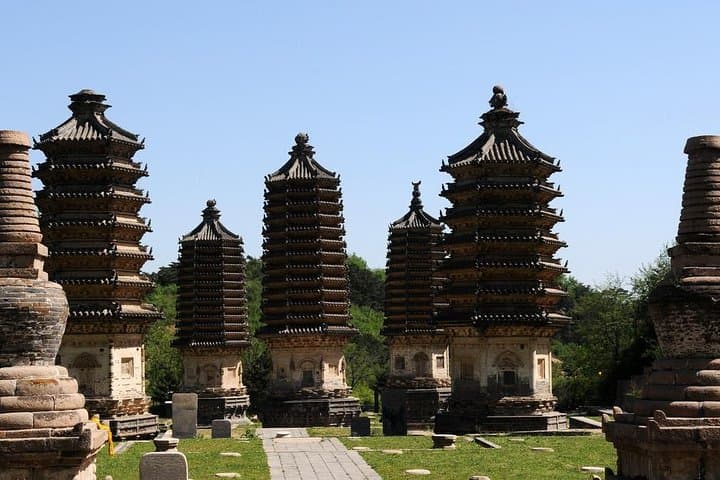
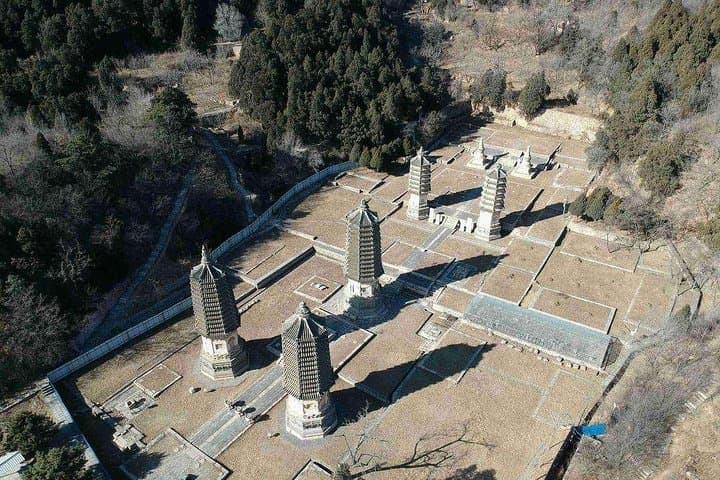
You step out of the air-conditioned van and the slope of Yinshan Mountain greets you like an old guardian; wind nudges the pagodas above the valley and the stone faces seem to hold conversations with the pines. The path rises in short switchbacks past weathered brick bases and carved niches; every turn reveals a staggered row of pagodas built across Liao, Jin, Yuan, Ming and Qing eras.
Verified experiences and guided adventures in the surrounding area.
Operated by Unique Beijing Tours · Beijing, Beijing
You step out of the air-conditioned van and the slope of Yinshan Mountain greets you like an old guardian; wind nudges the pagodas above the valley and the stone faces seem to hold conversations with the pines. The path rises in short switchbacks past weathered brick bases and carved niches; every turn reveals a staggered row of pagodas built across Liao, Jin, Yuan, Ming and Qing eras.
This pagoda forest is part archaeological field, part living temple complex: monk masters lectured here as early as the Tang period, and later dynasties added distinct brick and stone styles that reveal shifting religious patronage and local craftsmanship. Geologically the ridge is modest—granite outcrops and red-brown soils that support pine and scrub—so expect steep but short climbs rather than high-alpine routes.
Culturally the site rewards quiet observation: carved inscriptions, niches with small offerings, and the layered silhouettes of towers against sky. Your guide will point out era-specific details and explain how local communities have maintained the site through restoration projects.
Practically, the tour is a full-day door-to-door from Beijing (roughly 1.5 hours each way). Wear grippy walking shoes and layers for wind on exposed ridgelines. Bring modest clothing for temple areas, cash for small food stalls, and a charged phone for photos—coverage is spotty in gullies. The included lunch at a local restaurant offers a chance to try regional dishes and ask your guide about nearby routes if you want to extend your visit.
easy.
8 hours.
Suitable for most fitness levels; expect multiple short climbs and standing during guided explanations.
The tour includes roughly a 1.5-hour drive each way from central Beijing, depending on traffic.
No — hikes are short, with some uphill sections and stone steps; the tour is rated suitable for all fitness levels.
Yes — the private tour includes a local lunch and bottled water at a restaurant near the site.
Access includes uneven paths and steps; those with limited mobility may find some areas difficult and should consult the operator in advance.
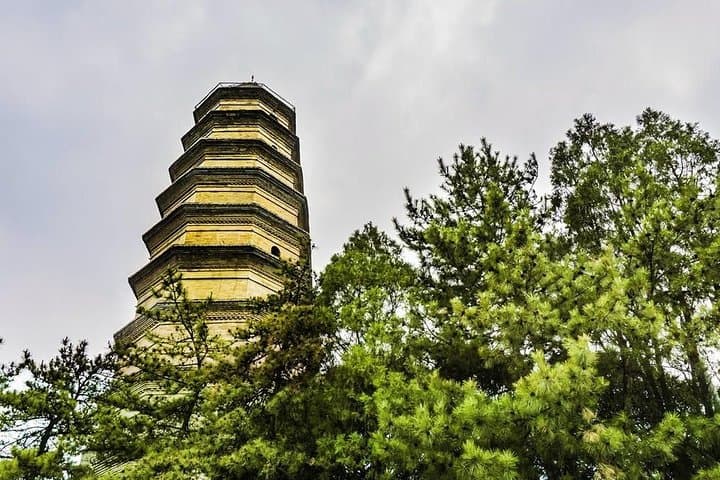
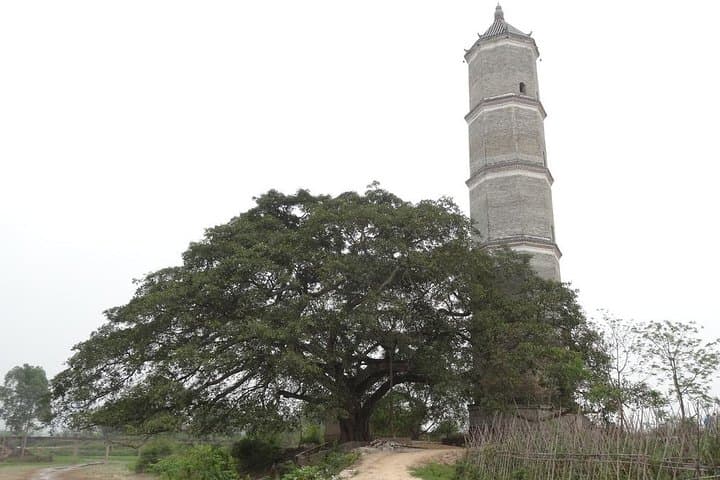
The pagoda forest contains surviving stone and brick towers erected during Liao through Qing dynasties, reflecting centuries of Buddhist presence and regional patronage.
Local authorities and conservation groups work to stabilize aging masonry; visitors are asked not to touch fragile carvings and to stay on marked paths to protect ruins.
Unique Beijing Tours operates guided outdoor trips and adventures with an emphasis on safety, stewardship, and memorable experiences.
You step out of the air-conditioned van and the slope of Yinshan Mountain greets you like an old guardian; wind nudges the pagodas above the valley and the stone faces seem to hold conversations with the pines. The path rises in short switchbacks past weathered brick bases and carved niches; every turn reveals a staggered row of pagodas built across Liao, Jin, Yuan, Ming and Qing eras.
You step out of the air-conditioned van and the slope of Yinshan Mountain greets you like an old guardian; wind nudges the pagodas above the valley and the stone faces seem to hold conversations with the pines. The path rises in short switchbacks past weathered brick bases and carved niches; every turn reveals a staggered row of pagodas built across Liao, Jin, Yuan, Ming and Qing eras.
This pagoda forest is part archaeological field, part living temple complex: monk masters lectured here as early as the Tang period, and later dynasties added distinct brick and stone styles that reveal shifting religious patronage and local craftsmanship. Geologically the ridge is modest—granite outcrops and red-brown soils that support pine and scrub—so expect steep but short climbs rather than high-alpine routes.
Culturally the site rewards quiet observation: carved inscriptions, niches with small offerings, and the layered silhouettes of towers against sky. Your guide will point out era-specific details and explain how local communities have maintained the site through restoration projects.
Practically, the tour is a full-day door-to-door from Beijing (roughly 1.5 hours each way). Wear grippy walking shoes and layers for wind on exposed ridgelines. Bring modest clothing for temple areas, cash for small food stalls, and a charged phone for photos—coverage is spotty in gullies. The included lunch at a local restaurant offers a chance to try regional dishes and ask your guide about nearby routes if you want to extend your visit.