THE ADVENTURE COLLECTIVE® · Independent discovery and booking for outdoor travel

Leave Delhi for a private, air-conditioned drive along the Yamuna Expressway to Agra for a guided visit to the Taj Mahal and Agra Fort. This full-day trip blends Mughal history, accessible logistics, and practical tips for making the most of a long but rewarding day.
Leave Delhi for a private, air-conditioned drive along the Yamuna Expressway to Agra for a guided visit to the Taj Mahal and Agra Fort. This full-day trip blends Mughal history, accessible logistics, and practical tips for making the most of a long but rewarding day.
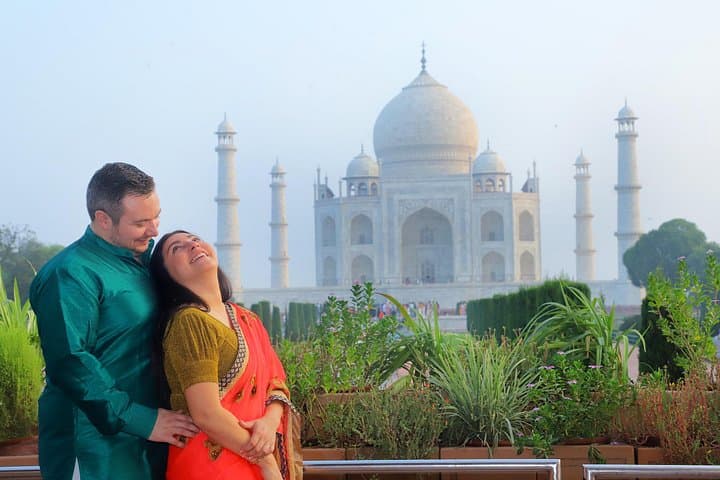
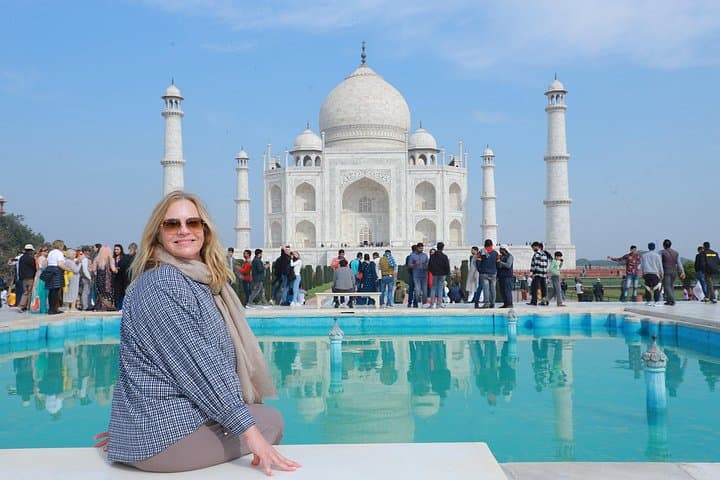
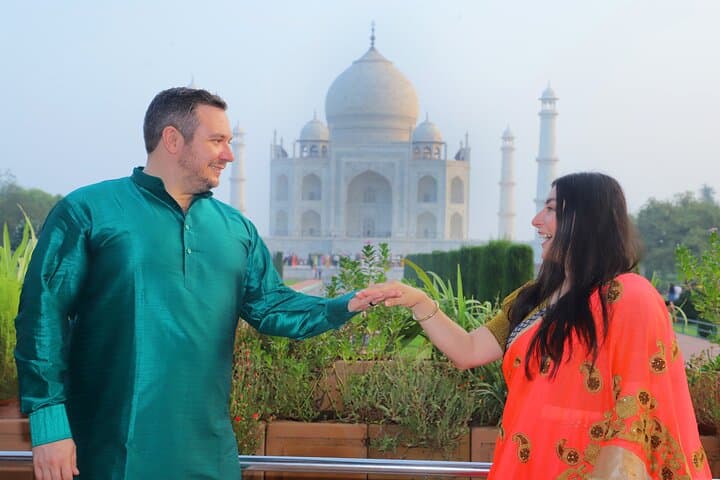
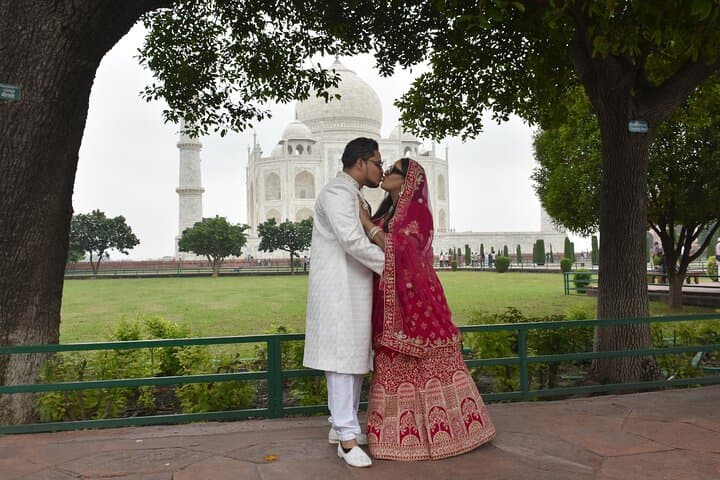
The car eases out of Delhi before dawn and the road unfurls: wide expressway, groves of scrub and villages, the Yamuna river running like a silver dare beneath the skyline. By midmorning the Taj Mahal comes into view—white marble glowing against the horizon, its reflection shivering in the long pool as guides begin the story of stone and grief.
Verified experiences and guided adventures in the surrounding area.
Operated by Trek India Tours · Agra, Uttar Pradesh
The car eases out of Delhi before dawn and the road unfurls: wide expressway, groves of scrub and villages, the Yamuna river running like a silver dare beneath the skyline. By midmorning the Taj Mahal comes into view—white marble glowing against the horizon, its reflection shivering in the long pool as guides begin the story of stone and grief.
Built in the mid-17th century by Shah Jahan for Mumtaz Mahal, the Taj stands at the end of a Mughal narrative that reshaped northern India. Geologically, the marble came from Makrana and sits on alluvial plains shaped by the Yamuna; environmental stresses and pollution are now part of its modern story. Nearby, Agra Fort—started under Akbar in the 16th century—offers a contrasting ochre fortress of ramparts, chambers and imperial signage.
Culturally the day is compact: ritualized photography at the gardens, a paced guided tour of inlaid pietra dura and calligraphy, then a look through Agra Fort’s royal apartments. Local bazaars offer pietra dura souvenirs and brassware if time permits; Mehtab Bagh across the river rewards a quieter sunset view.
Practical guidance: expect a round-trip of about 6 hours driving (Yamuna Expressway ~3 hours one-way) and roughly 2–3 hours of curated stops in Agra. Carry a refillable bottle, wear sturdy walking shoes and modest clothing for mosque-adjacent areas; plan around heat—early departures are best in summer. The trip is technically easy but long; bring patience for security lines and a camera with spare battery.
easy.
8–10 hours.
Suitable for most travelers; requires sitting for a long car ride and walking on paved and uneven surfaces for several hours.
The trip uses the Yamuna Expressway and typically takes about 3 hours one-way, depending on traffic and your pickup location in Delhi.
Entrance fees may be included depending on the option selected; confirm at booking and keep cash or card for any additional tickets or local purchases.
The tour lists wheelchair-accessible transportation and sites have some accessible routes, but certain areas (steps, uneven marble platforms) may limit access—check specifics with the operator before booking.
Early morning (sunrise to mid-morning) offers cooler temperatures and softer light; avoid midday heat in summer and consider winter for crisp skies and less haze.
The Taj Mahal was commissioned by Shah Jahan in the 1630s; Agra Fort predates it and was expanded by Akbar and successors across the 16th–17th centuries.
Air pollution, river health and visitor pressure are active concerns; the Archaeological Survey of India enforces rules like shoe covers and restricted vehicle access to reduce impact.
Trek India Tours operates guided outdoor trips and adventures with an emphasis on safety, stewardship, and memorable experiences.
The car eases out of Delhi before dawn and the road unfurls: wide expressway, groves of scrub and villages, the Yamuna river running like a silver dare beneath the skyline. By midmorning the Taj Mahal comes into view—white marble glowing against the horizon, its reflection shivering in the long pool as guides begin the story of stone and grief.
The car eases out of Delhi before dawn and the road unfurls: wide expressway, groves of scrub and villages, the Yamuna river running like a silver dare beneath the skyline. By midmorning the Taj Mahal comes into view—white marble glowing against the horizon, its reflection shivering in the long pool as guides begin the story of stone and grief.
Built in the mid-17th century by Shah Jahan for Mumtaz Mahal, the Taj stands at the end of a Mughal narrative that reshaped northern India. Geologically, the marble came from Makrana and sits on alluvial plains shaped by the Yamuna; environmental stresses and pollution are now part of its modern story. Nearby, Agra Fort—started under Akbar in the 16th century—offers a contrasting ochre fortress of ramparts, chambers and imperial signage.
Culturally the day is compact: ritualized photography at the gardens, a paced guided tour of inlaid pietra dura and calligraphy, then a look through Agra Fort’s royal apartments. Local bazaars offer pietra dura souvenirs and brassware if time permits; Mehtab Bagh across the river rewards a quieter sunset view.
Practical guidance: expect a round-trip of about 6 hours driving (Yamuna Expressway ~3 hours one-way) and roughly 2–3 hours of curated stops in Agra. Carry a refillable bottle, wear sturdy walking shoes and modest clothing for mosque-adjacent areas; plan around heat—early departures are best in summer. The trip is technically easy but long; bring patience for security lines and a camera with spare battery.