THE ADVENTURE COLLECTIVE® · Independent discovery and booking for outdoor travel

Spend a private day exploring Syracuse’s Neapolis archaeological park and Ortigia island with round-trip transport from Taormina. This guided-independent excursion combines cliff-carved Greek ruins, baroque streets and coastal markets—ideal for history lovers and easy walkers.
Spend a private day exploring Syracuse’s Neapolis archaeological park and Ortigia island with round-trip transport from Taormina. This guided-independent excursion combines cliff-carved Greek ruins, baroque streets and coastal markets—ideal for history lovers and easy walkers.
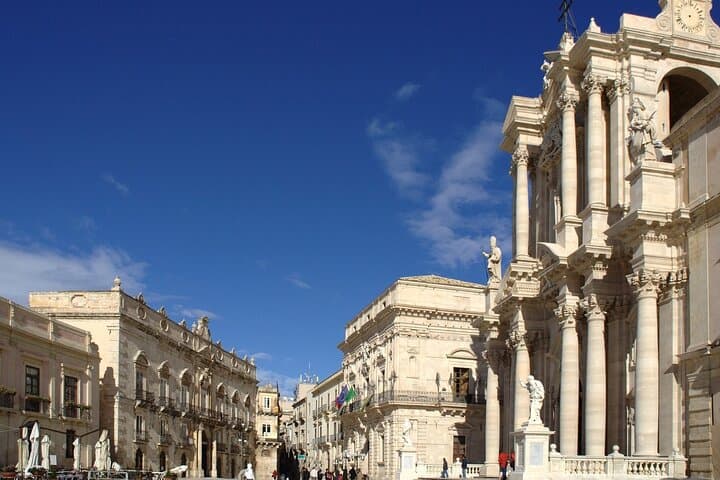
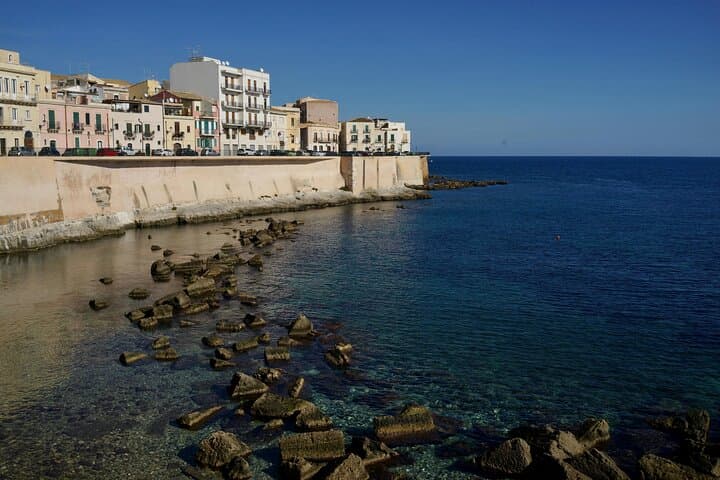
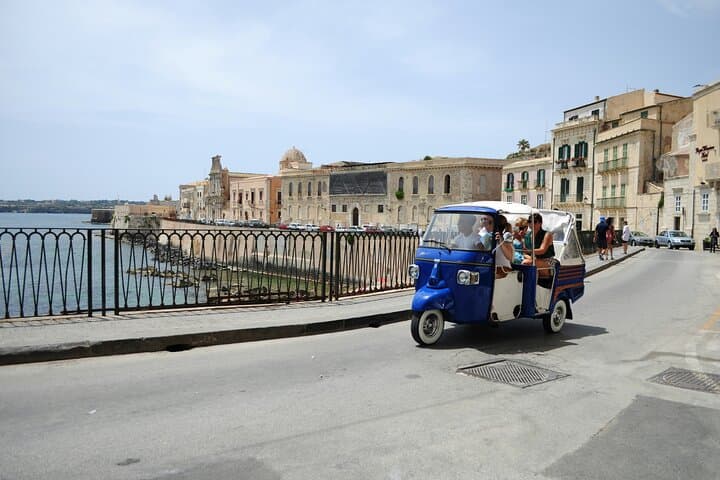
Morning light off the Ionian Sea lights the limestone façades of Ortigia as the private vehicle eases into the port; salt air nudges you toward narrow alleys where markets open and church bells mark the pace of the day.
Verified experiences and guided adventures in the surrounding area.
Operated by Taormina Transfer · Syracuse, Sicily
Morning light off the Ionian Sea lights the limestone façades of Ortigia as the private vehicle eases into the port; salt air nudges you toward narrow alleys where markets open and church bells mark the pace of the day.
Visitors start at the Neapolis archaeological park, where a Greek theatre carved from living rock still holds the echo of ancient performances and the Ear of Dionysius hides its acoustic trickery. Geology here is blunt and visible: compacted limestone and travertine quarried by past civilizations, creating terraces, amphitheaters and sea-facing walls.
Syracuse’s history moves from Greek polis to Roman stronghold and later baroque rebuilds on Ortigia; the island itself is the city’s historic heart, with a cathedral built over a Greek temple and a freshwater spring—la Fonte Aretusa—framed by papyrus that seems to guard the shoreline.
Practical rhythm: expect paved streets, uneven stone slabs and short flights of steps. Time in Neapolis typically runs 60–90 minutes; Ortigia rewards aimless wandering for 1–2 hours or more. Midday brings crowds and heat in summer; mornings and late afternoons are cooler and best for photos.
Bring stable walking shoes, sun protection, and water; most visits are self-guided once dropped off. Local vendors offer seafood and almond pastries—try a granita or fresh cannolo while standing near the marina. Respect restricted areas in the park and follow marked paths to protect fragile ruins. With a private transfer, flexibility is the trip’s advantage: linger at a lookout, duck into a workshop, or sit by the sea and watch the light move across Syracuse’s layered past.
easy.
7–8 hours.
Suitable for most fitness levels; requires walking on uneven surfaces and short stair climbs.
Admission is not included; the tour provides transport and drop-offs while site entry fees, if desired, are paid separately.
Pickup is from your Taormina accommodation at your chosen time, with return to the same location at the end of the day.
Ortigia’s flat central streets are stroller-accessible, but Neapolis has uneven terrain and steps—access may be limited for wheelchairs.
Yes—Ortigia has cafés, seafood trattorie and market stalls; bringing snacks is optional but many stops offer local specialties.
Syracuse was a major Greek colony (founded 8th century BCE) whose theatre and quarries reflect its role as a cultural and strategic Mediterranean power.
High foot traffic can damage soft limestone and papyrus stands—follow paths, avoid touching fragile plants, and support local businesses to keep conservation funding local.
Taormina Transfer operates guided outdoor trips and adventures with an emphasis on safety, stewardship, and memorable experiences.

Morning light off the Ionian Sea lights the limestone façades of Ortigia as the private vehicle eases into the port; salt air nudges you toward narrow alleys where markets open and church bells mark the pace of the day.
Morning light off the Ionian Sea lights the limestone façades of Ortigia as the private vehicle eases into the port; salt air nudges you toward narrow alleys where markets open and church bells mark the pace of the day.
Visitors start at the Neapolis archaeological park, where a Greek theatre carved from living rock still holds the echo of ancient performances and the Ear of Dionysius hides its acoustic trickery. Geology here is blunt and visible: compacted limestone and travertine quarried by past civilizations, creating terraces, amphitheaters and sea-facing walls.
Syracuse’s history moves from Greek polis to Roman stronghold and later baroque rebuilds on Ortigia; the island itself is the city’s historic heart, with a cathedral built over a Greek temple and a freshwater spring—la Fonte Aretusa—framed by papyrus that seems to guard the shoreline.
Practical rhythm: expect paved streets, uneven stone slabs and short flights of steps. Time in Neapolis typically runs 60–90 minutes; Ortigia rewards aimless wandering for 1–2 hours or more. Midday brings crowds and heat in summer; mornings and late afternoons are cooler and best for photos.
Bring stable walking shoes, sun protection, and water; most visits are self-guided once dropped off. Local vendors offer seafood and almond pastries—try a granita or fresh cannolo while standing near the marina. Respect restricted areas in the park and follow marked paths to protect fragile ruins. With a private transfer, flexibility is the trip’s advantage: linger at a lookout, duck into a workshop, or sit by the sea and watch the light move across Syracuse’s layered past.