THE ADVENTURE COLLECTIVE® · Independent discovery and booking for outdoor travel

Spend a full day driving from Delhi to two of northern India’s most active spiritual centers. This private car tour packs Har ki Pauri, Rishikesh’s famous bridges and several ashrams into a long but accessible day for travelers comfortable with extended road time.
Spend a full day driving from Delhi to two of northern India’s most active spiritual centers. This private car tour packs Har ki Pauri, Rishikesh’s famous bridges and several ashrams into a long but accessible day for travelers comfortable with extended road time.
Morning light on the Delhi highway is a promise: by six you’re in the car, the city’s hum falling away as fields and small towns take over. On this long day, the Ganges first appears as a silver ribbon at Haridwar—its current daring you to watch—and later widens into the sculpted, rocky corridor of Rishikesh where iron and rope bridges cross the river with a steady sway.
Verified experiences and guided adventures in the surrounding area.
Operated by The Vision Holidays · Rishikesh, Uttarakhand
Morning light on the Delhi highway is a promise: by six you’re in the car, the city’s hum falling away as fields and small towns take over. On this long day, the Ganges first appears as a silver ribbon at Haridwar—its current daring you to watch—and later widens into the sculpted, rocky corridor of Rishikesh where iron and rope bridges cross the river with a steady sway.
Har ki Pauri has been a pilgrimage focus for centuries; the stone said to bear an imprint of Vishnu anchors local ritual and story. Rishikesh grew from a spiritual crossroads into a 20th‑century ashram hub—Parmarth, Sivananda and the so‑called Beatles Ashram each mark different waves of seekers. Geologically the region sits where the Gangetic plain meets the Siwalik foothills, so expect sudden elevation changes and river-carved boulders underfoot.
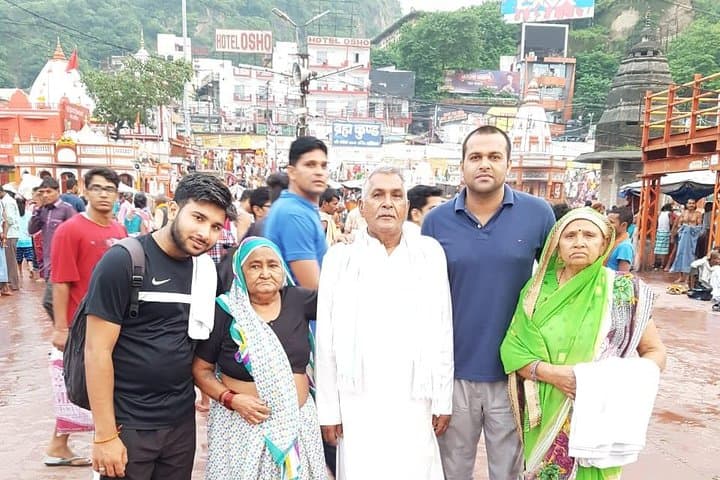
Culturally, the flow of daily life concentrates at the ghats—morning puja, evening aarti—with vendors, priests and pilgrims forming a pragmatic choreography around sacred routines.
Practically: this is a long, guided road day (about 12–13 hours door-to-door depending on traffic), so pack water, sun protection and modest clothing for temple visits. Walking between sites is gentle but can involve uneven steps and crowded alleys; wear grippy shoes. Lunch is typically in a local restaurant; vegetarian options are common. Time your return with traffic windows out of Delhi. Expect a full sensory day—river noise, temple bells, and the steady motion of a place that keeps both devotion and tourists moving.
moderate.
12–13 hours.
Light stamina for long day of sitting and short walks; comfortable mobility helps with uneven steps.
Expect roughly 5–6 hours each way depending on traffic; the full tour runs about 12–13 hours from hotel pickup to drop-off.
Lunch is typically arranged at a local restaurant and is not usually included—your booking should state whether a meal is provided.
The tour is rated physically easy but long; children and seniors who can handle extended car time and some walking should be fine.
Yes—The Maharishi/Beatles-era ashram (Chaurasi Kutia) is a scheduled stop, though access may involve walking on uneven terrain and an entrance fee in some cases.
Haridwar has been a major Vedic and later Hindu pilgrimage site for millennia; Rishikesh rose to international attention in the 20th century as a center for yoga and spiritual study.
The Ganges faces urban pollution pressures; visitors should avoid single‑use plastics at ghats and follow local guidance to minimize impact.
The Vision Holidays operates guided outdoor trips and adventures with an emphasis on safety, stewardship, and memorable experiences.


Morning light on the Delhi highway is a promise: by six you’re in the car, the city’s hum falling away as fields and small towns take over. On this long day, the Ganges first appears as a silver ribbon at Haridwar—its current daring you to watch—and later widens into the sculpted, rocky corridor of Rishikesh where iron and rope bridges cross the river with a steady sway.
Morning light on the Delhi highway is a promise: by six you’re in the car, the city’s hum falling away as fields and small towns take over. On this long day, the Ganges first appears as a silver ribbon at Haridwar—its current daring you to watch—and later widens into the sculpted, rocky corridor of Rishikesh where iron and rope bridges cross the river with a steady sway.
Har ki Pauri has been a pilgrimage focus for centuries; the stone said to bear an imprint of Vishnu anchors local ritual and story. Rishikesh grew from a spiritual crossroads into a 20th‑century ashram hub—Parmarth, Sivananda and the so‑called Beatles Ashram each mark different waves of seekers. Geologically the region sits where the Gangetic plain meets the Siwalik foothills, so expect sudden elevation changes and river-carved boulders underfoot.
Culturally, the flow of daily life concentrates at the ghats—morning puja, evening aarti—with vendors, priests and pilgrims forming a pragmatic choreography around sacred routines.
Practically: this is a long, guided road day (about 12–13 hours door-to-door depending on traffic), so pack water, sun protection and modest clothing for temple visits. Walking between sites is gentle but can involve uneven steps and crowded alleys; wear grippy shoes. Lunch is typically in a local restaurant; vegetarian options are common. Time your return with traffic windows out of Delhi. Expect a full sensory day—river noise, temple bells, and the steady motion of a place that keeps both devotion and tourists moving.