THE ADVENTURE COLLECTIVE® · Independent discovery and booking for outdoor travel

Escape Jaipur for a full day of tracked wildlife and granite ridgelines at Ranthambore National Park. This private day trip pairs a scenic 3–4 hour drive with regulated jeep or canter safaris—bring binoculars and pre-book your safari seat.
Escape Jaipur for a full day of tracked wildlife and granite ridgelines at Ranthambore National Park. This private day trip pairs a scenic 3–4 hour drive with regulated jeep or canter safaris—bring binoculars and pre-book your safari seat.
The sun lifts over the dry teak forest as your private vehicle hums onto the highway, leaving Jaipur’s bustle behind. The road narrows into scrub and rocky outcrops; waterholes glint like small promises. By mid-morning you arrive at Ranthambore, where carved stone ruins and the park’s scattered lakes punctuate a landscape that seems to watch visitors as much as they watch it.
Verified experiences and guided adventures in the surrounding area.
Operated by Janu Private Tours · Sawai Madhopur, Rajasthan
The sun lifts over the dry teak forest as your private vehicle hums onto the highway, leaving Jaipur’s bustle behind. The road narrows into scrub and rocky outcrops; waterholes glint like small promises. By mid-morning you arrive at Ranthambore, where carved stone ruins and the park’s scattered lakes punctuate a landscape that seems to watch visitors as much as they watch it.
Ranthambore occupies roughly 392 km² in Sawai Madhopur district at about 225 m above sea level. Once the hunting grounds of the Jaipur maharajas, it became a Project Tiger reserve in 1973 and now manages regulated jeep and canter safaris across marked zones. The terrain is mostly dry deciduous forest, interspersed with granite ridges and seasonal tanks; geology here channels monsoon water into pockets that draw game year-round.
Culture around Ranthambore mixes village life, temple ruins, and hospitality—tea stops on the drive offer simple snacks and local conversation. Photographers prize Padam Talao and the ruins atop the fort for light and perspective.
Practical guidance: expect a 3–4 hour drive from Jaipur (≈180 km) and a full-day schedule—most operators run 7:00–10:30 AM and 14:30–18:00 PM safari windows. Safari tickets are not included and must be pre-booked (jeep or canter). Bring binoculars, layers for early cool and afternoon heat, sun protection, and enough battery for cameras. Maintain silence on drives, stay in the vehicle, and follow park rules: wildlife sightings are unpredictable but the park’s mix of terrain and waterholes concentrates animals around dawn and dusk, rewarding patience and a sober approach.
moderate.
10 hours.
Moderate fitness recommended for long periods seated in safari vehicles and short walks during stops
No. Safari tickets are not included; you must pre-book jeep or canter safari seats through park booking systems or ask the operator to secure them for you.
The drive is approximately 180 km and typically takes 3–4 hours each way, depending on traffic and stops.
Dawn and dusk safaris (early morning and late afternoon) concentrate animal activity; morning windows are often preferred for cooler temperatures and active predators.
The listed inclusions usually cover bottled water, tea/coffee, and a hi-tea break; confirm any full-meal requirements with the operator ahead of departure.
Ranthambore was the royal hunting reserve of Jaipur’s maharajas before being designated a Project Tiger reserve in 1973, shifting its role to conservation and tourism.
The reserve manages visitor impact through zoned safaris, limited vehicle numbers, and strict rules—follow guides, avoid plastics, and minimize disturbance to support ongoing protection.
Janu Private Tours operates guided outdoor trips and adventures with an emphasis on safety, stewardship, and memorable experiences.
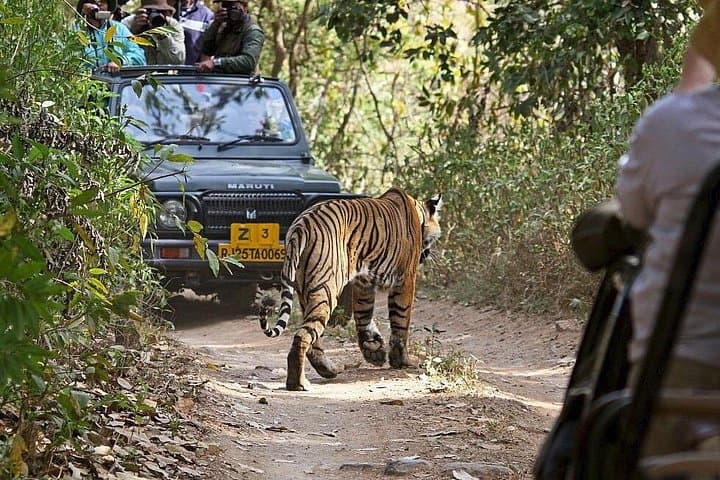
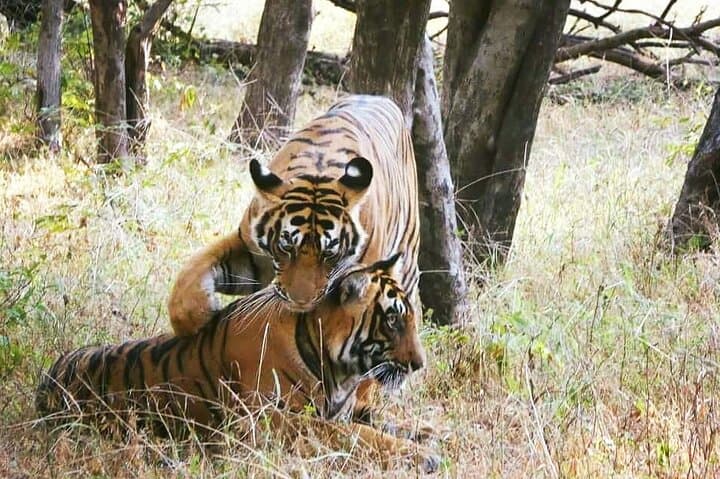
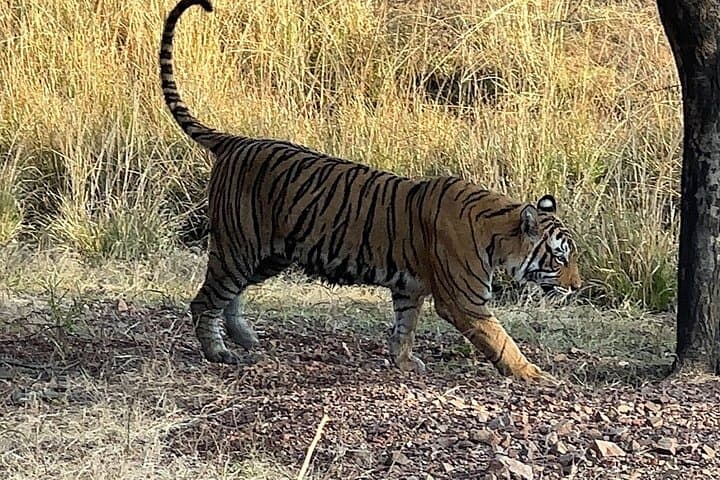
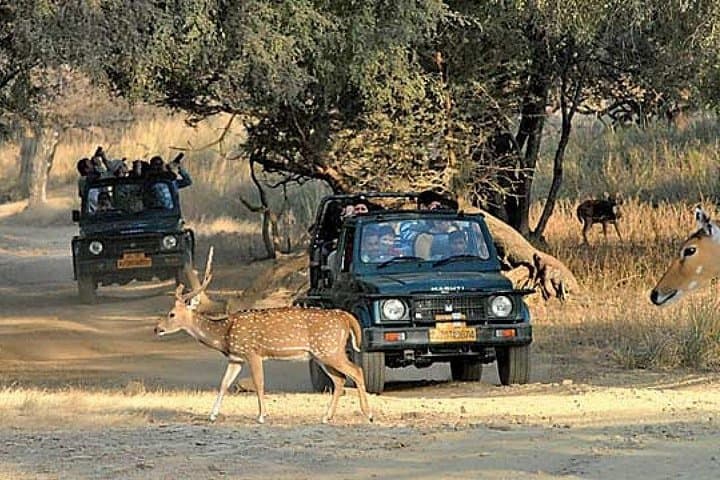
The sun lifts over the dry teak forest as your private vehicle hums onto the highway, leaving Jaipur’s bustle behind. The road narrows into scrub and rocky outcrops; waterholes glint like small promises. By mid-morning you arrive at Ranthambore, where carved stone ruins and the park’s scattered lakes punctuate a landscape that seems to watch visitors as much as they watch it.
The sun lifts over the dry teak forest as your private vehicle hums onto the highway, leaving Jaipur’s bustle behind. The road narrows into scrub and rocky outcrops; waterholes glint like small promises. By mid-morning you arrive at Ranthambore, where carved stone ruins and the park’s scattered lakes punctuate a landscape that seems to watch visitors as much as they watch it.
Ranthambore occupies roughly 392 km² in Sawai Madhopur district at about 225 m above sea level. Once the hunting grounds of the Jaipur maharajas, it became a Project Tiger reserve in 1973 and now manages regulated jeep and canter safaris across marked zones. The terrain is mostly dry deciduous forest, interspersed with granite ridges and seasonal tanks; geology here channels monsoon water into pockets that draw game year-round.
Culture around Ranthambore mixes village life, temple ruins, and hospitality—tea stops on the drive offer simple snacks and local conversation. Photographers prize Padam Talao and the ruins atop the fort for light and perspective.
Practical guidance: expect a 3–4 hour drive from Jaipur (≈180 km) and a full-day schedule—most operators run 7:00–10:30 AM and 14:30–18:00 PM safari windows. Safari tickets are not included and must be pre-booked (jeep or canter). Bring binoculars, layers for early cool and afternoon heat, sun protection, and enough battery for cameras. Maintain silence on drives, stay in the vehicle, and follow park rules: wildlife sightings are unpredictable but the park’s mix of terrain and waterholes concentrates animals around dawn and dusk, rewarding patience and a sober approach.