THE ADVENTURE COLLECTIVE® · Independent discovery and booking for outdoor travel

Drive from Sofia to Plovdiv for a compact walking tour through ancient streets and a climb to the medieval Asen’s Fortress in the Rhodope foothills. Expect Roman ruins, 19th-century Revival houses, sweeping valley views, and practical tips for a full-day private tour.
Drive from Sofia to Plovdiv for a compact walking tour through ancient streets and a climb to the medieval Asen’s Fortress in the Rhodope foothills. Expect Roman ruins, 19th-century Revival houses, sweeping valley views, and practical tips for a full-day private tour.
You step out of an eco-friendly car onto a long pedestrian avenue and the weight of centuries is immediate: Roman stones underfoot, color-washed 19th-century houses to your right, the low hum of Plovdiv’s markets rising like a tide.
Verified experiences and guided adventures in the surrounding area.
Operated by City Tour Ltd. · Plovdiv, Plovdiv Province
You step out of an eco-friendly car onto a long pedestrian avenue and the weight of centuries is immediate: Roman stones underfoot, color-washed 19th-century houses to your right, the low hum of Plovdiv’s markets rising like a tide.
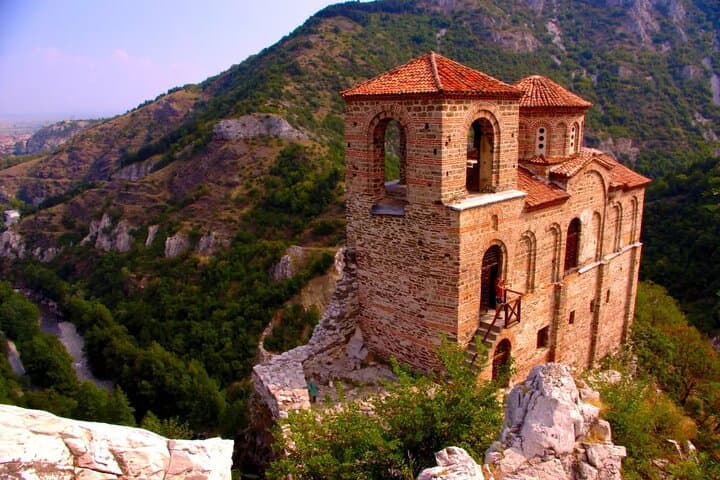
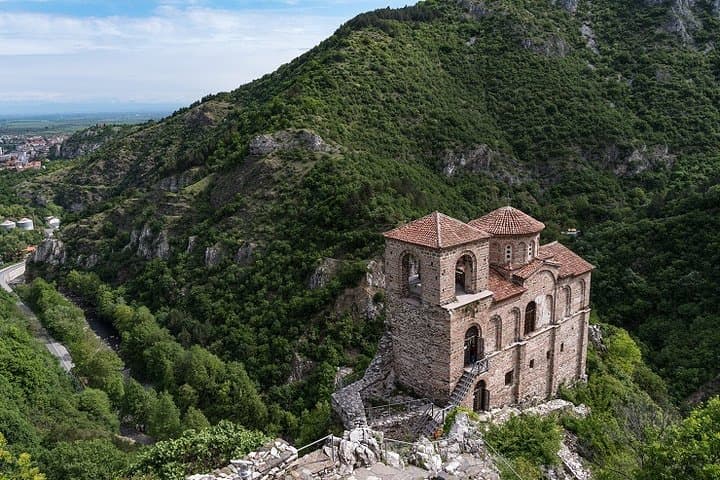
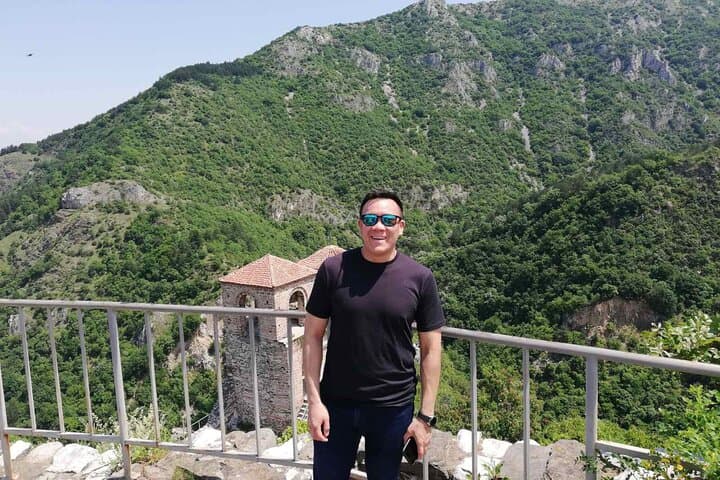
Plovdiv sits on three rounded hills in the western Thracian Valley, occupied since at least 4000 BCE. The city’s layered past—Thracian settlements, a sprawling Roman era marked by the well-preserved Roman Theatre, and Bulgarian Revival architecture—unfolds on a compact walking route. In the afternoon the road climbs toward the lower Rhodope foothills to Asen’s Fortress, a medieval stronghold associated with Tsar Ivan Asen II. The fortress perches above a rocky ridge; reaching it involves a short ascent on uneven stone steps and dirt paths, gaining roughly 120–200 meters in elevation from the nearby parking.
Geology here shifts from alluvial valley plains to the folded, weathered limestone of the Rhodopes, shaping panoramic views and small karst outcrops. Culturally, expect lively contemporary arts in Kapana and lingering orthodox traditions around rural churches.
Practical guidance: plan for a 9-hour day (approximately 1.5 hours’ drive each way, 1.5 hours walking in Plovdiv, and a 30–45 minute stop at Asen’s). Wear sturdy walking shoes for cobbles and steps, carry water, and bring a light layer for hilltop wind. If you want events, check Plovdiv’s cultural calendar in advance. The private driver-guide handles logistics and hotel pickup, leaving you to read the stonework and photograph the sweeping valley below.
moderate.
8–9 hours.
Suitable for travelers in average shape who can manage 1.5 hours of walking and short uphill sections; not strenuous.
It’s about 1.5 hours each way by car under normal traffic conditions, making this a full-day excursion.
The ascent is short but involves uneven stone steps and a dirt path with an approximate 120–200 m elevation gain; comfortable shoes and steady footing are recommended.
This private day trip includes transportation and guiding; confirm with the operator whether specific museum or site entrance fees are covered at booking.
The operator provides infant seats on request and can adapt pickup points, but uneven ground at heritage sites may limit access for some mobility aids—notify them when booking.
Plovdiv’s layers include Thracian foundations, a significant Roman period visible in the theatre and stadium, and a Bulgarian Revival era that shaped the old town’s colorful houses.
Local efforts emphasize protecting uncovered mosaics and reducing traffic pollution—many operators use CNG or electric vehicles and visitors are asked to stay on paths and avoid touching fragile remains.
City Tour Ltd. operates guided outdoor trips and adventures with an emphasis on safety, stewardship, and memorable experiences.
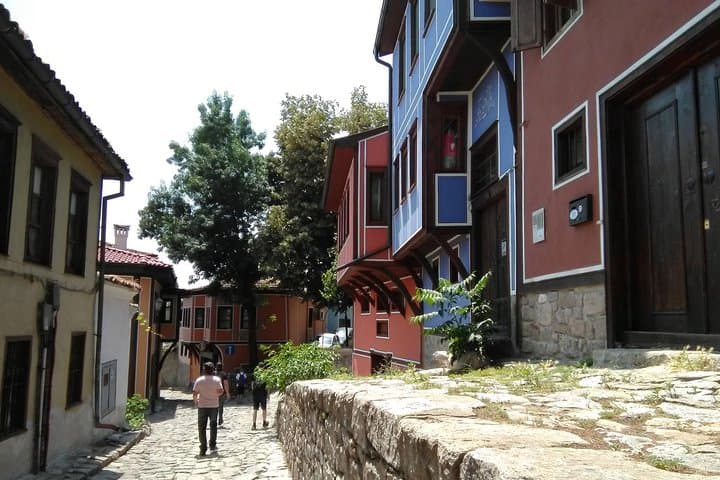
You step out of an eco-friendly car onto a long pedestrian avenue and the weight of centuries is immediate: Roman stones underfoot, color-washed 19th-century houses to your right, the low hum of Plovdiv’s markets rising like a tide.
You step out of an eco-friendly car onto a long pedestrian avenue and the weight of centuries is immediate: Roman stones underfoot, color-washed 19th-century houses to your right, the low hum of Plovdiv’s markets rising like a tide.
Plovdiv sits on three rounded hills in the western Thracian Valley, occupied since at least 4000 BCE. The city’s layered past—Thracian settlements, a sprawling Roman era marked by the well-preserved Roman Theatre, and Bulgarian Revival architecture—unfolds on a compact walking route. In the afternoon the road climbs toward the lower Rhodope foothills to Asen’s Fortress, a medieval stronghold associated with Tsar Ivan Asen II. The fortress perches above a rocky ridge; reaching it involves a short ascent on uneven stone steps and dirt paths, gaining roughly 120–200 meters in elevation from the nearby parking.
Geology here shifts from alluvial valley plains to the folded, weathered limestone of the Rhodopes, shaping panoramic views and small karst outcrops. Culturally, expect lively contemporary arts in Kapana and lingering orthodox traditions around rural churches.
Practical guidance: plan for a 9-hour day (approximately 1.5 hours’ drive each way, 1.5 hours walking in Plovdiv, and a 30–45 minute stop at Asen’s). Wear sturdy walking shoes for cobbles and steps, carry water, and bring a light layer for hilltop wind. If you want events, check Plovdiv’s cultural calendar in advance. The private driver-guide handles logistics and hotel pickup, leaving you to read the stonework and photograph the sweeping valley below.