THE ADVENTURE COLLECTIVE® · Independent discovery and booking for outdoor travel

A full-day private trip from Marrakech to the Ouzoud Waterfalls takes you through olive-lined roads to tiered cascades, river pools and Berber villages. Expect rocky steps, macaques, and a 2.5–3 hour drive each way—perfect for a day of accessible wilderness and local culture.
A full-day private trip from Marrakech to the Ouzoud Waterfalls takes you through olive-lined roads to tiered cascades, river pools and Berber villages. Expect rocky steps, macaques, and a 2.5–3 hour drive each way—perfect for a day of accessible wilderness and local culture.
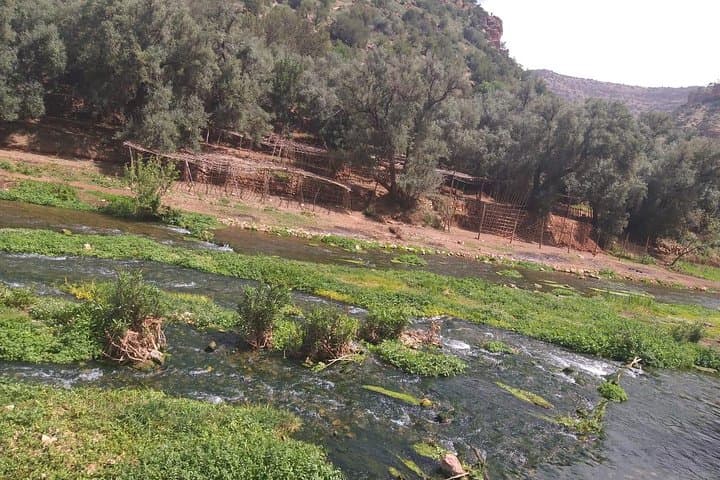
You leave Marrakech before dawn and the road opens into olive groves and sun-struck plains; by mid-morning the sound of falling water nudges the car window and the air cools.
Verified experiences and guided adventures in the surrounding area.
Operated by Tilila Travel · Tanaghmeilt, Béni Mellal-Khénifra
You leave Marrakech before dawn and the road opens into olive groves and sun-struck plains; by mid-morning the sound of falling water nudges the car window and the air cools.
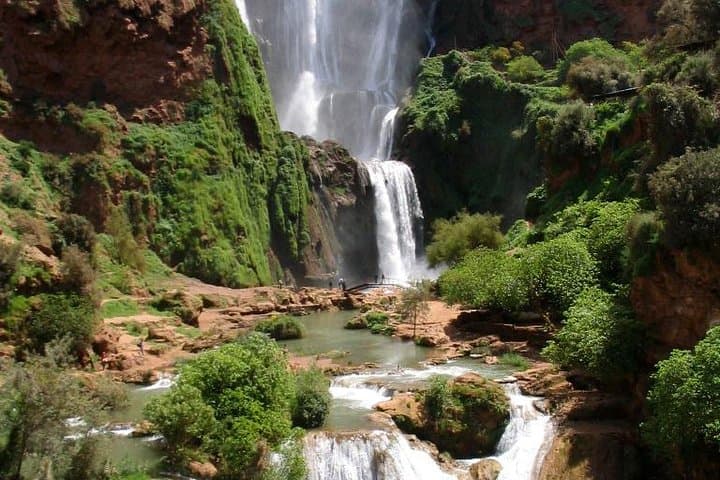
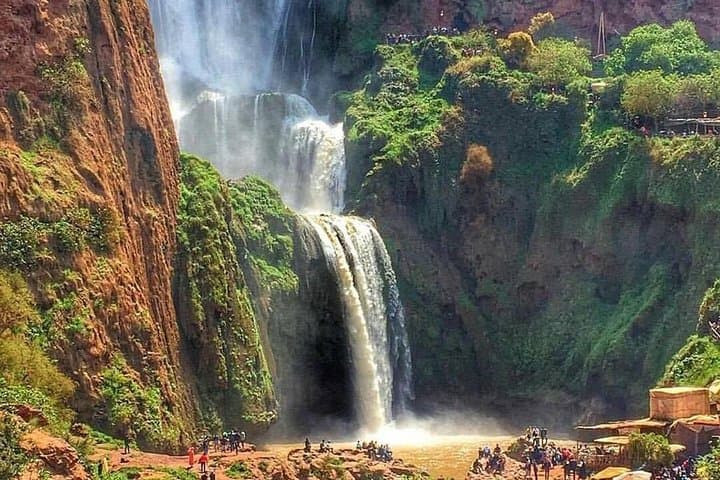
Ouzoud sits roughly 150 km northeast of Marrakech, a series of multi-tiered falls that drop into emerald pools and a narrow gorge. The name Ouzoud—rooted in local Berber language—points to the region’s mills; many small stone watermills still line the terraces. Geologically the falls trace a river cutting through Miocene-aged rock, creating stepped ledges that catch light and form permanent plunge pools.
Local life is visible at the edge of the trail: Berber villages, lime and pomegranate trees, and vendors selling fresh orange juice and tagine. Barbary macaques are often nearby, bold but habituated to visitors; photographers prize the rainbows that form in the spray on sunny afternoons.
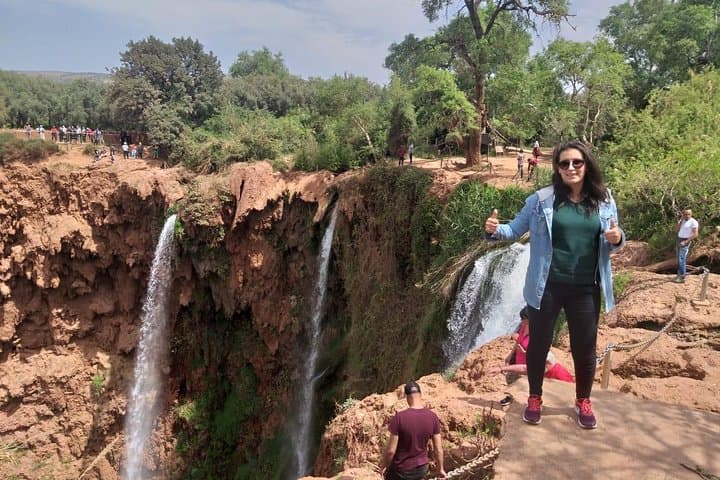
Practical guidance: the main trail network to the base of the falls is roughly 2–4 km of uneven, often stone steps with several short climbs—expect 150–250 meters of elevation change on the most direct routes. The drive from Marrakech takes about 2.5–3 hours each way, so plan for an 8–10 hour day. Wear sturdy shoes with grip, carry 1–2 liters of water per person, and bring sun protection and a light rain shell for spray and mountain breezes.
Timing matters: mornings are quieter and cooler; late afternoons offer better light for photos. Respect local guides and avoid feeding wildlife—leave no trace and support village cafés when you can.
easy.
8–10 hours.
Suitable for most travelers in light to moderate fitness; includes short hikes on uneven terrain and stone steps.
Expect approximately 2.5–3 hours each way depending on traffic and stops along the route.
No technical climbing is required; trails include stone steps and uneven surfaces—sturdy shoes are recommended.
Swimming is possible in designated pools but conditions vary; check with guides and avoid strong currents and slippery rocks.
Yes—Barbary macaques and various birds are commonly seen; observe from a distance and do not feed them.
Ouzoud’s name reflects the region’s historical milling activity; watermills powered by local streams have shaped settlement patterns for centuries.
The site is popular and sensitive—avoid feeding wildlife, stick to marked trails, and support local vendors to help the community maintain trails and services.
Tilila Travel operates guided outdoor trips and adventures with an emphasis on safety, stewardship, and memorable experiences.
You leave Marrakech before dawn and the road opens into olive groves and sun-struck plains; by mid-morning the sound of falling water nudges the car window and the air cools.
You leave Marrakech before dawn and the road opens into olive groves and sun-struck plains; by mid-morning the sound of falling water nudges the car window and the air cools.
Ouzoud sits roughly 150 km northeast of Marrakech, a series of multi-tiered falls that drop into emerald pools and a narrow gorge. The name Ouzoud—rooted in local Berber language—points to the region’s mills; many small stone watermills still line the terraces. Geologically the falls trace a river cutting through Miocene-aged rock, creating stepped ledges that catch light and form permanent plunge pools.
Local life is visible at the edge of the trail: Berber villages, lime and pomegranate trees, and vendors selling fresh orange juice and tagine. Barbary macaques are often nearby, bold but habituated to visitors; photographers prize the rainbows that form in the spray on sunny afternoons.
Practical guidance: the main trail network to the base of the falls is roughly 2–4 km of uneven, often stone steps with several short climbs—expect 150–250 meters of elevation change on the most direct routes. The drive from Marrakech takes about 2.5–3 hours each way, so plan for an 8–10 hour day. Wear sturdy shoes with grip, carry 1–2 liters of water per person, and bring sun protection and a light rain shell for spray and mountain breezes.
Timing matters: mornings are quieter and cooler; late afternoons offer better light for photos. Respect local guides and avoid feeding wildlife—leave no trace and support village cafés when you can.