THE ADVENTURE COLLECTIVE® · Independent discovery and booking for outdoor travel

Leave Marrakech for a full-day private tour to Ouzoud Falls, one of North Africa’s tallest cascades. This walking-focused outing blends dramatic views, active mills, and shaded olive trails with hotel pickup and a local guide.
Leave Marrakech for a full-day private tour to Ouzoud Falls, one of North Africa’s tallest cascades. This walking-focused outing blends dramatic views, active mills, and shaded olive trails with hotel pickup and a local guide.
Dusty road and Atlas hills frame the morning as a small air-conditioned minivan pulls away from Marrakech, the city’s ochre walls shrinking behind you. After roughly 180 km of farmland and low cedar ridges, the noise thins and the valley opens to the thunder of water — Ouzoud’s cataract falling roughly 100 meters into a green bowl. A narrow trail threads down through olive trees to river terraces, old stone mills at the rim, and viewpoints where spray creates quick rainbows.
Verified experiences and guided adventures in the surrounding area.
Operated by Marrakech Tours · Ouzoud, Azilal Province
Dusty road and Atlas hills frame the morning as a small air-conditioned minivan pulls away from Marrakech, the city’s ochre walls shrinking behind you. After roughly 180 km of farmland and low cedar ridges, the noise thins and the valley opens to the thunder of water — Ouzoud’s cataract falling roughly 100 meters into a green bowl. A narrow trail threads down through olive trees to river terraces, old stone mills at the rim, and viewpoints where spray creates quick rainbows.
Ouzoud’s name refers to grinding grain, and the dozen small mills at the summit still mark centuries of rural life. Geologically the falls carve through Miocene sandstone and clay, producing stepped cascades and plunge pools favored by kingfishers and the local Barbary macaques. The region sits on the northern edge of the High Atlas foothills, its weather moderated by elevation and proximity to Marrakech.
Expect easy to moderate walking with short steep stair sections and well-traveled paths shaded by olives. The private tour includes hotel pickup, bottled water, a local guide, and time to explore viewpoints, terraces, and the base of the falls. Practical tips: go early for softer light and fewer crowds; wear grippy shoes for wet rock and steps; bring cash for small cafes and tips; never feed the monkeys. The trip is a full-day outing—plan for a 10-hour window including drive time.
This is an accessible, sensory day trip that combines natural drama, living rural history, and dependable logistics for travelers based in Marrakech.
moderate.
10 hours.
Suitable for travelers who can handle several hours of walking with short steep sections and stairs; no special conditioning required.
The round trip covers roughly 180 km each way and the tour itinerary is about 10 hours total including driving time.
The path includes well-traveled steps and some steep sections—moderate fitness and steady shoes are recommended but it's suitable for most visitors.
Bottled water is provided; most private tours leave time for lunch at a local cafe but food is typically not included—bring cash for meals.
Monkeys are wild; do not feed or touch them. Keep a respectful distance and secure loose items to avoid confrontations.
The falls sit near historic mountain farming communities; the name 'Ouzoud' references the region’s long history of grain grinding and working mills.
Stick to marked paths, avoid feeding wildlife, and use refillable water containers to reduce plastic waste; small-group tours help minimize local impact.
Marrakech Tours operates guided outdoor trips and adventures with an emphasis on safety, stewardship, and memorable experiences.
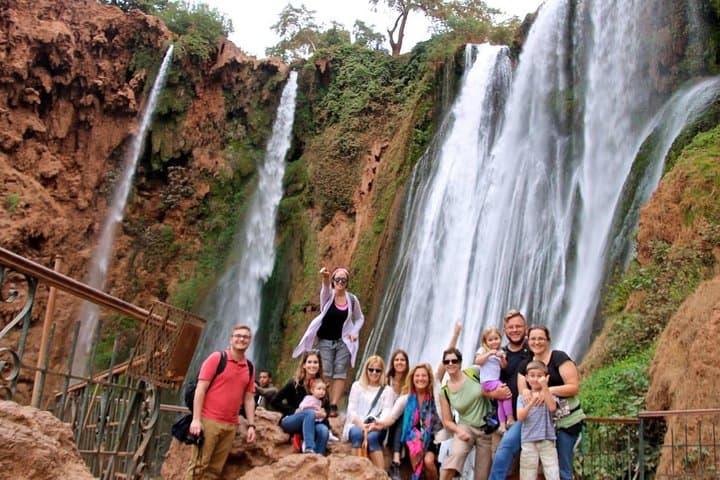
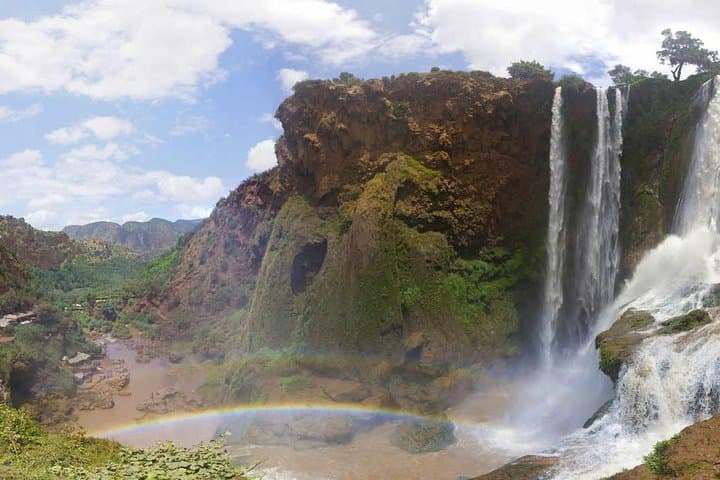
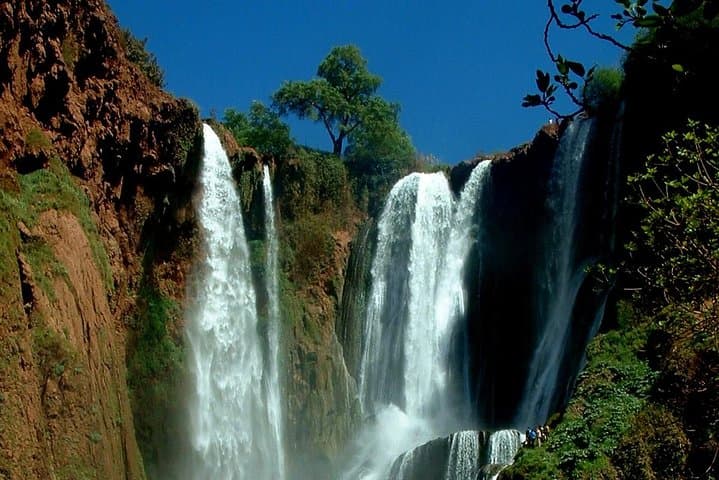
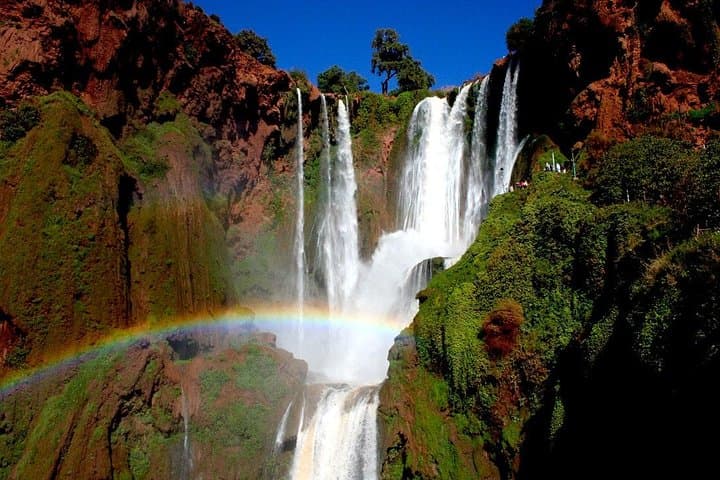
Dusty road and Atlas hills frame the morning as a small air-conditioned minivan pulls away from Marrakech, the city’s ochre walls shrinking behind you. After roughly 180 km of farmland and low cedar ridges, the noise thins and the valley opens to the thunder of water — Ouzoud’s cataract falling roughly 100 meters into a green bowl. A narrow trail threads down through olive trees to river terraces, old stone mills at the rim, and viewpoints where spray creates quick rainbows.
Dusty road and Atlas hills frame the morning as a small air-conditioned minivan pulls away from Marrakech, the city’s ochre walls shrinking behind you. After roughly 180 km of farmland and low cedar ridges, the noise thins and the valley opens to the thunder of water — Ouzoud’s cataract falling roughly 100 meters into a green bowl. A narrow trail threads down through olive trees to river terraces, old stone mills at the rim, and viewpoints where spray creates quick rainbows.
Ouzoud’s name refers to grinding grain, and the dozen small mills at the summit still mark centuries of rural life. Geologically the falls carve through Miocene sandstone and clay, producing stepped cascades and plunge pools favored by kingfishers and the local Barbary macaques. The region sits on the northern edge of the High Atlas foothills, its weather moderated by elevation and proximity to Marrakech.
Expect easy to moderate walking with short steep stair sections and well-traveled paths shaded by olives. The private tour includes hotel pickup, bottled water, a local guide, and time to explore viewpoints, terraces, and the base of the falls. Practical tips: go early for softer light and fewer crowds; wear grippy shoes for wet rock and steps; bring cash for small cafes and tips; never feed the monkeys. The trip is a full-day outing—plan for a 10-hour window including drive time.
This is an accessible, sensory day trip that combines natural drama, living rural history, and dependable logistics for travelers based in Marrakech.