THE ADVENTURE COLLECTIVE® · Independent discovery and booking for outdoor travel

Drive north from Athens to stand between earth and sky: climb stone steps to centuries-old monasteries on Meteora’s cliffs, then visit Thermopylae’s museum and memorial to the battle of 480 BC. This private day tour blends dramatic geology, Byzantine history, and practical logistics for a full-day cultural outing.
Drive north from Athens to stand between earth and sky: climb stone steps to centuries-old monasteries on Meteora’s cliffs, then visit Thermopylae’s museum and memorial to the battle of 480 BC. This private day tour blends dramatic geology, Byzantine history, and practical logistics for a full-day cultural outing.
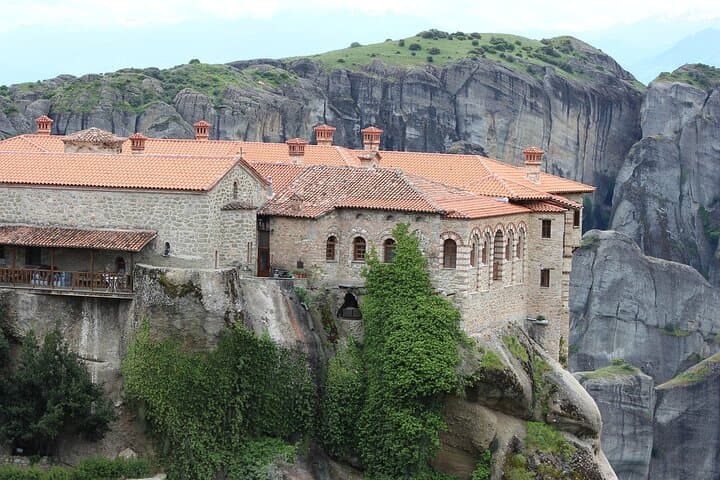
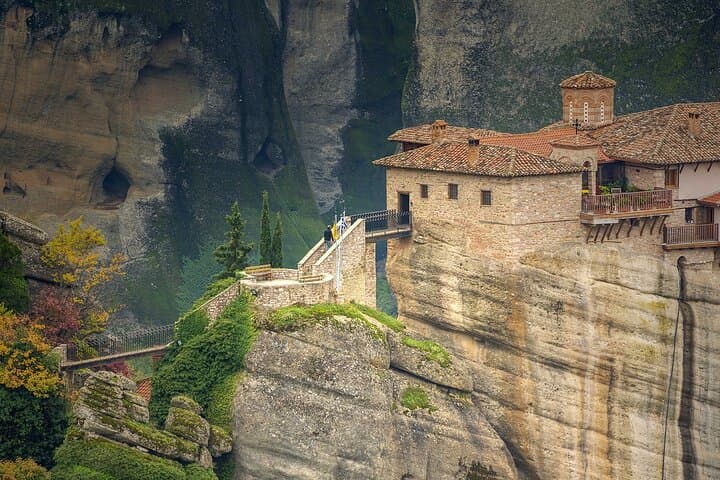
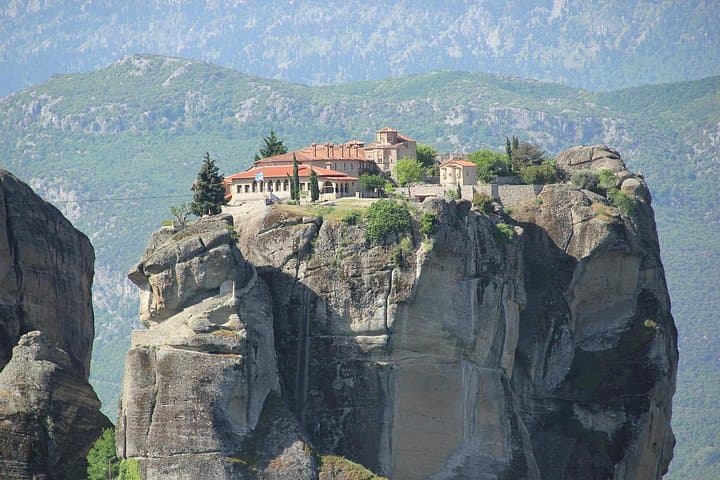
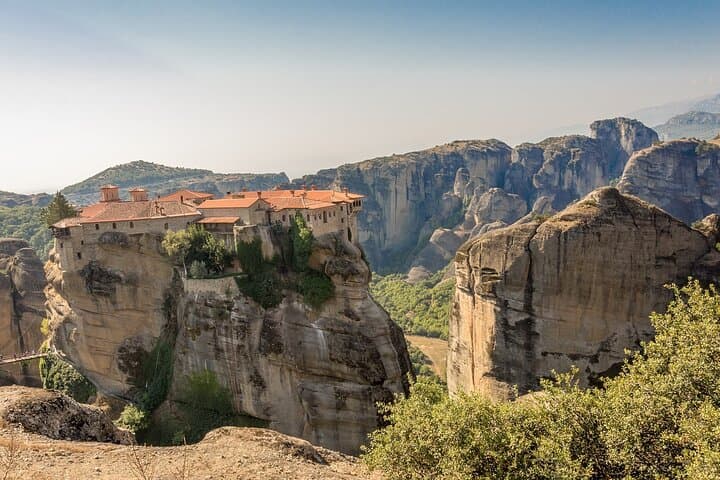
Morning light breaks over the plain as a private car curves away from Athens and the road heads north, the Aegean’s humidity left behind for limestone towers that rise like stalled pillars. By late morning the rocks of Meteora appear: sheer grey columns, monasteries perched on their crowns as if the cliffs themselves invited human architecture to test gravity.
Verified experiences and guided adventures in the surrounding area.
Operated by Private Tours Greece · Kalambaka, Thessaly
Morning light breaks over the plain as a private car curves away from Athens and the road heads north, the Aegean’s humidity left behind for limestone towers that rise like stalled pillars. By late morning the rocks of Meteora appear: sheer grey columns, monasteries perched on their crowns as if the cliffs themselves invited human architecture to test gravity.
Meteora’s monasteries began as hermit refuges in the Byzantine era and later became organized communities between the 11th and 16th centuries. The cliffs are Jurassic limestone sculpted by uplift and erosion; narrow ledges and staircases hewn by monks offer access to art and relics that survived Ottoman and wartime upheavals. Later the tour moves to Thermopylae, the narrow coastal pass famous for the 480 BC stand of King Leonidas and his Spartans; a modern museum and monument interpret the battle and its regional importance.
Expect a full day: driving, short walks, and stair climbs to access monastery courtyards and museums. Respect dress codes at active monastic sites (shoulders and knees covered) and be ready for uneven stone steps and sun exposure. Bring water, sensible shoes, a light layer for breezy ridge-top conditions, and a charged camera — vistas reward early and late light.
Timing matters: arrive at the larger monasteries early to avoid tour buses; allow time for a relaxed lunch in Kalambaka to sample grilled lamb, local pies, and Greek coffee. This private itinerary balances cultural depth with outdoor access, offering a practical way to stand between earth and sky and then walk through one of Greece’s pivotal historic landscapes.
easy.
12 hours.
Light to moderate mobility required—able to walk short staircases and stand during museum visits
This is a full-day private tour (about 12 hours) that departs from Athens with hotel or Piraeus port pickup included.
The itinerary lists monastery visits and a museum visit—confirm whether entrance fees are included when booking; modest dress is required inside.
The tour is described as suitable for all fitness levels, but monastery access involves steps and uneven surfaces; notify the operator of mobility needs for pickup and routing adjustments.
Yes—most itineraries include a stop in Kalambaka for lunch and some free time to browse shops and viewpoints at the base of the rocks.
Meteora’s monastic settlements grew from 11th-century hermitages into fortified monasteries between the 14th–16th centuries; Thermopylae marks the narrow pass where Greek forces delayed a Persian advance in 480 BC.
The limestone pillars are ecologically and culturally fragile—stay on designated paths, respect monastic rules, and avoid drone use without permission to reduce disturbance.
Private Tours Greece operates guided outdoor trips and adventures with an emphasis on safety, stewardship, and memorable experiences.
Morning light breaks over the plain as a private car curves away from Athens and the road heads north, the Aegean’s humidity left behind for limestone towers that rise like stalled pillars. By late morning the rocks of Meteora appear: sheer grey columns, monasteries perched on their crowns as if the cliffs themselves invited human architecture to test gravity.
Morning light breaks over the plain as a private car curves away from Athens and the road heads north, the Aegean’s humidity left behind for limestone towers that rise like stalled pillars. By late morning the rocks of Meteora appear: sheer grey columns, monasteries perched on their crowns as if the cliffs themselves invited human architecture to test gravity.
Meteora’s monasteries began as hermit refuges in the Byzantine era and later became organized communities between the 11th and 16th centuries. The cliffs are Jurassic limestone sculpted by uplift and erosion; narrow ledges and staircases hewn by monks offer access to art and relics that survived Ottoman and wartime upheavals. Later the tour moves to Thermopylae, the narrow coastal pass famous for the 480 BC stand of King Leonidas and his Spartans; a modern museum and monument interpret the battle and its regional importance.
Expect a full day: driving, short walks, and stair climbs to access monastery courtyards and museums. Respect dress codes at active monastic sites (shoulders and knees covered) and be ready for uneven stone steps and sun exposure. Bring water, sensible shoes, a light layer for breezy ridge-top conditions, and a charged camera — vistas reward early and late light.
Timing matters: arrive at the larger monasteries early to avoid tour buses; allow time for a relaxed lunch in Kalambaka to sample grilled lamb, local pies, and Greek coffee. This private itinerary balances cultural depth with outdoor access, offering a practical way to stand between earth and sky and then walk through one of Greece’s pivotal historic landscapes.