THE ADVENTURE COLLECTIVE® · Independent discovery and booking for outdoor travel

A long day that pairs a desert drive with an Egyptologist-led tour of Luxor’s greatest hits—from the Valley of the Kings to Karnak. Practical tips for timing, tickets and what to bring to make the most of the journey.
A long day that pairs a desert drive with an Egyptologist-led tour of Luxor’s greatest hits—from the Valley of the Kings to Karnak. Practical tips for timing, tickets and what to bring to make the most of the journey.
Before dawn the minivan slips out of Marsa Alam and into the ochre sweep of the Eastern Desert, headlights cutting a ribbon through scrub and sandstone.
Verified experiences and guided adventures in the surrounding area.
Operated by Marsa Alam Wonders · Luxor, Luxor Governorate
Before dawn the minivan slips out of Marsa Alam and into the ochre sweep of the Eastern Desert, headlights cutting a ribbon through scrub and sandstone.
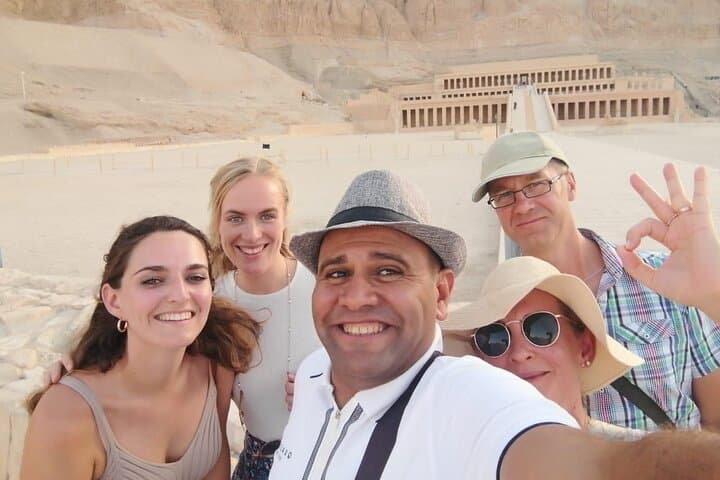
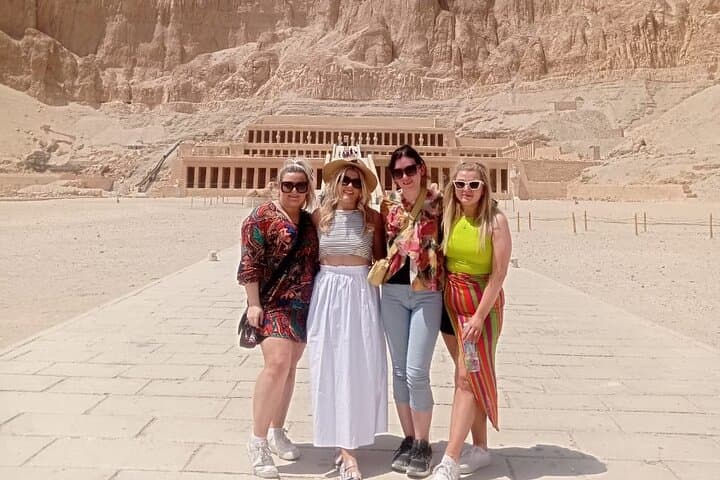
By midmorning the Nile valley unfolds: fertile green strips, soaring limestone cliffs and the stacked terraces of Hatshepsut’s mortuary temple rising from the rock. A local Egyptologist leads the day—pointing out carved scenes in tombs, explaining ritual pathways and the practical engineering behind Karnak’s hypostyle hall.
History here is tactile: the Valley of the Kings holds painted burial chambers from the 18th–20th dynasties, while Karnak records successive pharaohs’ additions over two millennia. Geology matters too—limestone cliffs provided shelter and quarries, while Nile sediments created the narrow arable ribbon that sustained Thebes.
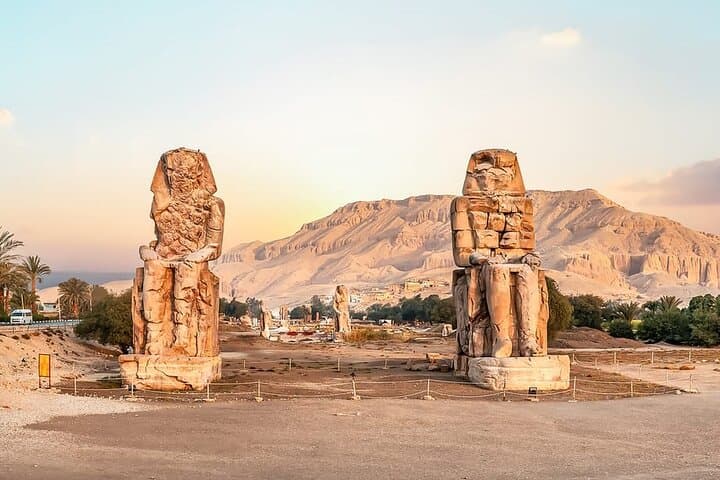
Cultural notes: Luxor was ancient Thebes, Egypt’s ceremonial heart; the Colossi of Memnon mark the footprint of a lost mortuary temple. Expect lively bargaining at small alabaster workshops and cafés that serve strong tea and ful.
Practical guidance: this is a long, full day (expect 12–16 hours including drive time). Wear breathable layers, sun protection, and comfortable walking shoes with good grip for uneven temple stones and tomb steps. Bring bottled water and small change for entrance fees or tips; if you want to enter Tutankhamun’s tomb allow extra time and budget for the special ticket.
Timing tip: arrive at sites early in the visit to avoid midday heat and crowds; reserve the afternoon for Karnak when light gives depth to its columns.
moderate.
12–16 hours.
Moderate fitness; able to walk several kilometers over uneven ground and climb stairs repeatedly.
The one-way drive takes about 4–5 hours depending on traffic and stops, so expect roughly 8–10 hours of round-trip driving on the day.
Standard tour notes indicate major site admissions like Karnak and the Valley of the Kings are included; special-access tombs (e.g., Tutankhamun) may require an extra fee.
Not recommended for travelers with significant spinal or mobility issues—sites have uneven ground, stairs and limited accessible paths.
You can request entry to certain tombs, but some (like Tutankhamun) have limited access and an additional fee; book in advance when possible.
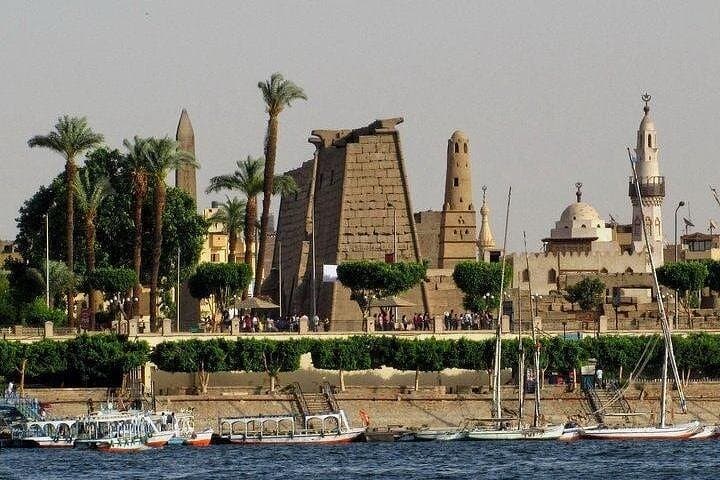
Luxor sits on the site of ancient Thebes, a political and religious capital where pharaohs built monumental temples and royal tombs between the Middle Kingdom and New Kingdom periods.
High visitor numbers stress fragile painted tomb interiors; stick to designated paths, avoid touching surfaces and use bottled water sparingly—local sites encourage responsible tourism to protect pigments and stone.
Marsa Alam Wonders operates guided outdoor trips and adventures with an emphasis on safety, stewardship, and memorable experiences.
Before dawn the minivan slips out of Marsa Alam and into the ochre sweep of the Eastern Desert, headlights cutting a ribbon through scrub and sandstone.
Before dawn the minivan slips out of Marsa Alam and into the ochre sweep of the Eastern Desert, headlights cutting a ribbon through scrub and sandstone.
By midmorning the Nile valley unfolds: fertile green strips, soaring limestone cliffs and the stacked terraces of Hatshepsut’s mortuary temple rising from the rock. A local Egyptologist leads the day—pointing out carved scenes in tombs, explaining ritual pathways and the practical engineering behind Karnak’s hypostyle hall.
History here is tactile: the Valley of the Kings holds painted burial chambers from the 18th–20th dynasties, while Karnak records successive pharaohs’ additions over two millennia. Geology matters too—limestone cliffs provided shelter and quarries, while Nile sediments created the narrow arable ribbon that sustained Thebes.
Cultural notes: Luxor was ancient Thebes, Egypt’s ceremonial heart; the Colossi of Memnon mark the footprint of a lost mortuary temple. Expect lively bargaining at small alabaster workshops and cafés that serve strong tea and ful.
Practical guidance: this is a long, full day (expect 12–16 hours including drive time). Wear breathable layers, sun protection, and comfortable walking shoes with good grip for uneven temple stones and tomb steps. Bring bottled water and small change for entrance fees or tips; if you want to enter Tutankhamun’s tomb allow extra time and budget for the special ticket.
Timing tip: arrive at sites early in the visit to avoid midday heat and crowds; reserve the afternoon for Karnak when light gives depth to its columns.