THE ADVENTURE COLLECTIVE® · Independent discovery and booking for outdoor travel

An 8-hour private shore excursion from Trieste that pairs the alpine quiet of Lake Bled with the green, walkable streets of Ljubljana. Expect lakeside loops, a hilltop castle climb and a compact city tour.
An 8-hour private shore excursion from Trieste that pairs the alpine quiet of Lake Bled with the green, walkable streets of Ljubljana. Expect lakeside loops, a hilltop castle climb and a compact city tour.
You step off the coach and the air changes: cooler, green, carrying the quiet of karst mountains and a lake that keeps time with gentle ripples. From the road the church on Bled Island looks like a small theatre stage; the medieval castle perches above the shoreline, watching centuries of traffic on the water below.
Verified experiences and guided adventures in the surrounding area.
Operated by Istranka Tours · Bled, Upper Carniola
You step off the coach and the air changes: cooler, green, carrying the quiet of karst mountains and a lake that keeps time with gentle ripples. From the road the church on Bled Island looks like a small theatre stage; the medieval castle perches above the shoreline, watching centuries of traffic on the water below.
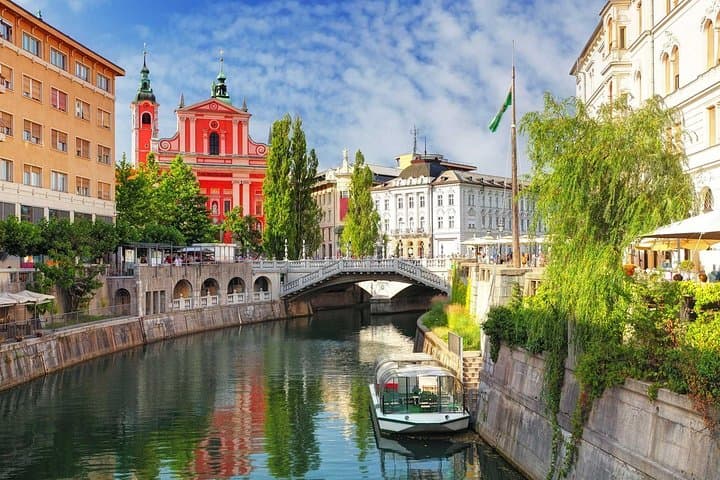
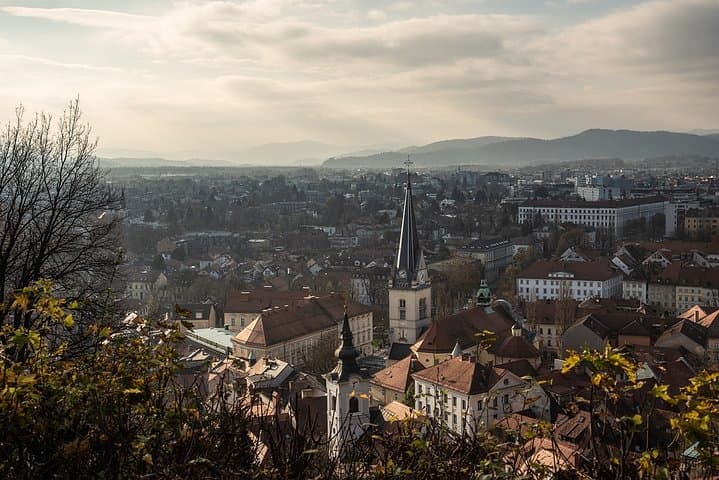
Bled’s limestone cliffs and glacial basin date to the last ice age, and the hilltop castle — one of Slovenia’s oldest — is a clear marker of medieval trade and defense. Ljubljana, crowned European Green Capital in 2016, rewired a former industrial riverfront into a human-scale city of bridges, baroque facades and lively markets. Both places reflect Slovenia’s blend of Alpine geology and Central European culture.
On a typical private shore excursion from Trieste you’ll walk the 6-km Bled lakeside loop, climb roughly 100–130 m to Bled Castle for panoramic views, then spend around 1–2 hours exploring Ljubljana’s compact old town on foot. Expect mixed surfaces: paved streets, cobblestones and short stone steps at viewpoints.
Practical notes: wear comfortable walking shoes, bring a light waterproof layer and cash for optional castle or boat tickets (these are commonly not included). Plan to move steadily — the full loop, castle visit and Ljubljana stop fit into an 8-hour day but include short transfers. Hydrate between stops and keep your schedule flexible if you’re tied to cruise timings. The region rewards paced exploration: listen for church bells, watch the river push the city forward, and leave time to taste local cream cake before boarding again.
moderate.
8 hours.
Moderate fitness — able to walk several kilometers and negotiate stairs and short climbs.
No — the tour listing specifies castle entrances and Pletna boat rides are typically not included; budget separately for those.
Driving time is roughly 1 hour 45 minutes to 2 hours depending on border traffic and route, each way on a private transfer.
Children are welcome but must be accompanied by an adult; infants may need to sit on laps and specialized seats can be requested.
Minor adjustments are possible, but the castle and some viewpoints require stairs — notify the supplier in advance to discuss accessibility options.
Bled Castle dates to the 11th century and overlooks a glacial lake formed after the Pleistocene; Ljubljana’s core grew from a Roman outpost into a medieval and later Habsburg city.
The area emphasizes water-quality protection for the lake and sustainable tourism; avoid feeding waterfowl and follow marked paths to limit erosion.
Istranka Tours operates guided outdoor trips and adventures with an emphasis on safety, stewardship, and memorable experiences.
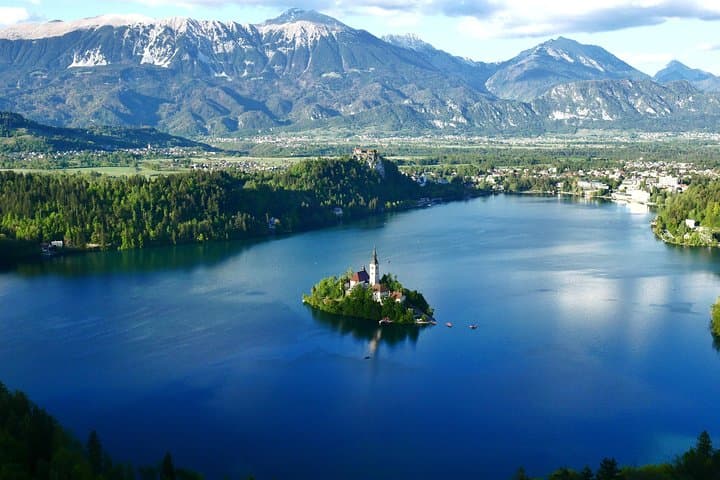
You step off the coach and the air changes: cooler, green, carrying the quiet of karst mountains and a lake that keeps time with gentle ripples. From the road the church on Bled Island looks like a small theatre stage; the medieval castle perches above the shoreline, watching centuries of traffic on the water below.
You step off the coach and the air changes: cooler, green, carrying the quiet of karst mountains and a lake that keeps time with gentle ripples. From the road the church on Bled Island looks like a small theatre stage; the medieval castle perches above the shoreline, watching centuries of traffic on the water below.
Bled’s limestone cliffs and glacial basin date to the last ice age, and the hilltop castle — one of Slovenia’s oldest — is a clear marker of medieval trade and defense. Ljubljana, crowned European Green Capital in 2016, rewired a former industrial riverfront into a human-scale city of bridges, baroque facades and lively markets. Both places reflect Slovenia’s blend of Alpine geology and Central European culture.
On a typical private shore excursion from Trieste you’ll walk the 6-km Bled lakeside loop, climb roughly 100–130 m to Bled Castle for panoramic views, then spend around 1–2 hours exploring Ljubljana’s compact old town on foot. Expect mixed surfaces: paved streets, cobblestones and short stone steps at viewpoints.
Practical notes: wear comfortable walking shoes, bring a light waterproof layer and cash for optional castle or boat tickets (these are commonly not included). Plan to move steadily — the full loop, castle visit and Ljubljana stop fit into an 8-hour day but include short transfers. Hydrate between stops and keep your schedule flexible if you’re tied to cruise timings. The region rewards paced exploration: listen for church bells, watch the river push the city forward, and leave time to taste local cream cake before boarding again.