THE ADVENTURE COLLECTIVE® · Independent discovery and booking for outdoor travel

A full-day private tour delivers you from the lowland comforts of Interlaken to Jungfraujoch’s high-alpine summit and the waterfall-carved Lauterbrunnen Valley. Expect glacier views, the Sphinx Observatory, and easy valley walks—planning and layering make the day comfortable and memorable.
A full-day private tour delivers you from the lowland comforts of Interlaken to Jungfraujoch’s high-alpine summit and the waterfall-carved Lauterbrunnen Valley. Expect glacier views, the Sphinx Observatory, and easy valley walks—planning and layering make the day comfortable and memorable.
You step out of the carriage into thin, sharp air; a broad, white wind pushes at your jacket and the peaks around Jungfraujoch loom like ordered, patient giants. The Sphinx viewing platform lays the high Alps at your feet—ice fields stretching and reflecting light, glaciers daring you to walk their edges from a safe distance.
Verified experiences and guided adventures in the surrounding area.
Operated by Swiss Magic Tours | Tours Switzerland · Interlaken, Bern
You step out of the carriage into thin, sharp air; a broad, white wind pushes at your jacket and the peaks around Jungfraujoch loom like ordered, patient giants. The Sphinx viewing platform lays the high Alps at your feet—ice fields stretching and reflecting light, glaciers daring you to walk their edges from a safe distance.
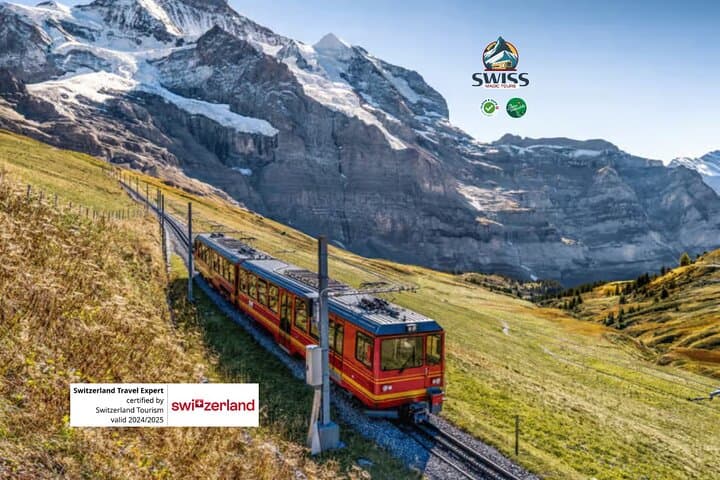
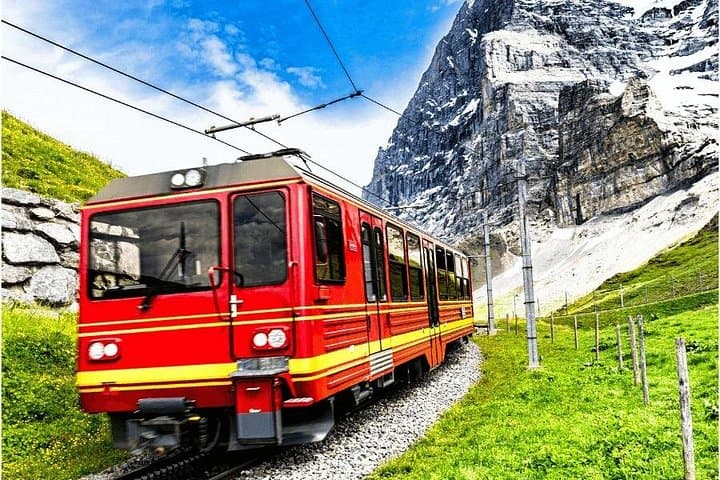
Railway tunnels bored a century ago made this place reachable; the Jungfrau Railway (completed in 1912) threads through rock to deliver visitors to Europe’s highest train station. Geologically, you’re on a high alpine plateau carved by Pleistocene glaciers; the exposed bedrock and crevassed ice tell a recent story of movement and melt. Below, the Lauterbrunnen Valley drops in a dramatic U-shape, its cliffs punctured by waterfalls—Trümmelbach and Staubbach among them—that fed the region’s farming and tourism culture for generations.
Practical guidance: the day trip runs about 10 hours including transfers; expect multiple short walks at altitude, indoor exhibits (Ice Palace, Sphinx Observatory) and cable car transfers (Eiger Express). Weather can shift quickly—bright sun one moment, snow squall the next—so layer and carry sun protection. Allow time for stops in Lauterbrunnen village to see waterfalls and pick a vantage point away from main viewing terraces for quieter photos.
Plan hydration and a slow pace uphill to reduce mild altitude effects. Photography is best in morning or late afternoon light; mid-day brings harsher shadows but clearer distant views. The trip blends engineering, high-mountain geology, and valley culture—accessible and dramatic in one long alpine day.
moderate.
10 hours.
Able to handle several short walks and standing at high altitude; not strenuous but expect energy use from thin air.
Many areas, including the train and main viewing platforms, are wheelchair accessible, but some paths around viewpoints can be uneven—check with the operator for tailored assistance.
This private day tour includes admission and train segments to Jungfraujoch as described; confirm ticket inclusions at booking.
Bring light snacks and a packed lunch if you prefer; there are restaurants at Jungfraujoch and in Lauterbrunnen but options can be limited and busy.
The itinerary typically allows about 1.5–2 hours at Jungfraujoch (visits to the Sphinx, Ice Palace and promenade), with additional stops in Lauterbrunnen.
The Jungfrau Railway, completed in 1912, opened high-Alpine tourism and linked remote valleys to broader Swiss rail networks; the area is part of the Jungfrau-Aletsch UNESCO World Heritage zone.
This is a sensitive glacial environment—stick to marked areas, avoid leaving waste, and favor public transport or consolidated private transfers to limit local impact.
Swiss Magic Tours | Tours Switzerland operates guided outdoor trips and adventures with an emphasis on safety, stewardship, and memorable experiences.
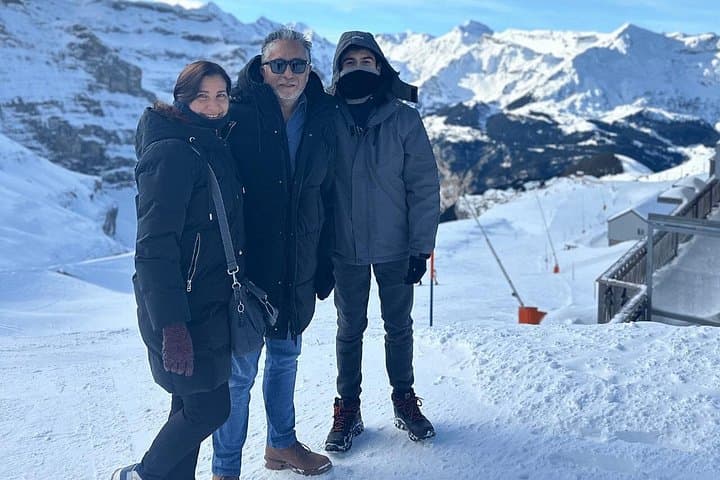
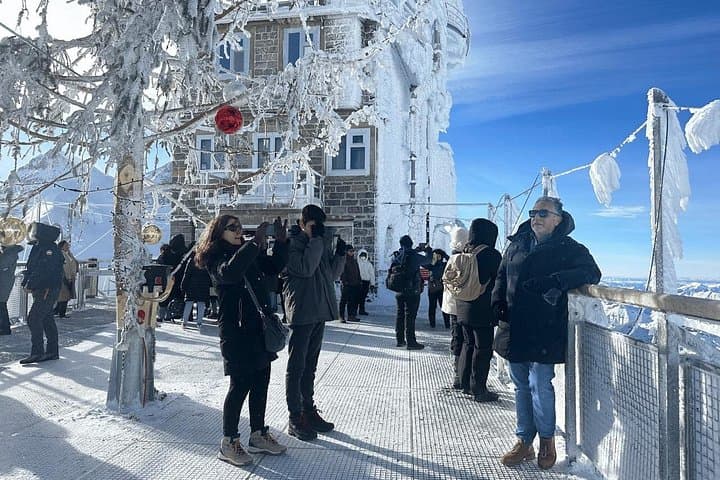
You step out of the carriage into thin, sharp air; a broad, white wind pushes at your jacket and the peaks around Jungfraujoch loom like ordered, patient giants. The Sphinx viewing platform lays the high Alps at your feet—ice fields stretching and reflecting light, glaciers daring you to walk their edges from a safe distance.
You step out of the carriage into thin, sharp air; a broad, white wind pushes at your jacket and the peaks around Jungfraujoch loom like ordered, patient giants. The Sphinx viewing platform lays the high Alps at your feet—ice fields stretching and reflecting light, glaciers daring you to walk their edges from a safe distance.
Railway tunnels bored a century ago made this place reachable; the Jungfrau Railway (completed in 1912) threads through rock to deliver visitors to Europe’s highest train station. Geologically, you’re on a high alpine plateau carved by Pleistocene glaciers; the exposed bedrock and crevassed ice tell a recent story of movement and melt. Below, the Lauterbrunnen Valley drops in a dramatic U-shape, its cliffs punctured by waterfalls—Trümmelbach and Staubbach among them—that fed the region’s farming and tourism culture for generations.
Practical guidance: the day trip runs about 10 hours including transfers; expect multiple short walks at altitude, indoor exhibits (Ice Palace, Sphinx Observatory) and cable car transfers (Eiger Express). Weather can shift quickly—bright sun one moment, snow squall the next—so layer and carry sun protection. Allow time for stops in Lauterbrunnen village to see waterfalls and pick a vantage point away from main viewing terraces for quieter photos.
Plan hydration and a slow pace uphill to reduce mild altitude effects. Photography is best in morning or late afternoon light; mid-day brings harsher shadows but clearer distant views. The trip blends engineering, high-mountain geology, and valley culture—accessible and dramatic in one long alpine day.