THE ADVENTURE COLLECTIVE® · Independent discovery and booking for outdoor travel

Ride Swiss trains into the heart of the Bernese Alps on a private day trip from Bern. Visit Grindelwald, ascend by cogwheel to Kleine Scheidegg for alpine views, then finish in Lauterbrunnen beside the dramatic Staubbach waterfall.
Ride Swiss trains into the heart of the Bernese Alps on a private day trip from Bern. Visit Grindelwald, ascend by cogwheel to Kleine Scheidegg for alpine views, then finish in Lauterbrunnen beside the dramatic Staubbach waterfall.
The day begins on Swiss rails: you step onto an Intercity in Bern as the lowlands fall away and the windows frame the rising teeth of the Bernese Alps. By the time you change for the local train to Grindelwald the air tastes colder, the village clinging to a slope beneath the Eiger’s northern wall. A short cogwheel climb deposits you at Kleine Scheidegg (2,061 m), where jagged peaks demand attention and lunch is served with a panorama.
Verified experiences and guided adventures in the surrounding area.
Operated by SwissTravelGuide.ch · Grindelwald, Canton of Bern
The day begins on Swiss rails: you step onto an Intercity in Bern as the lowlands fall away and the windows frame the rising teeth of the Bernese Alps. By the time you change for the local train to Grindelwald the air tastes colder, the village clinging to a slope beneath the Eiger’s northern wall. A short cogwheel climb deposits you at Kleine Scheidegg (2,061 m), where jagged peaks demand attention and lunch is served with a panorama.
This corridor of valleys shaped by glaciation saw its tourism boom in the 19th century when alpinists and rail engineers opened routes into the high country. Geology is on display: hard granite faces of the Eiger and softer sedimentary benches in the Lauterbrunnen bowl, where Staubbach waterfall plummets almost 300 m from an overhanging rock wall.
Culturally the valley still moves at mountain pace — cable car timetables, hotel kitchens, and the rhythm of local trains. Expect short, accessible walks through alpine streets in Grindelwald and an easy, paved stroll under Staubbach’s spray in Lauterbrunnen.
Practical notes: the tour uses scheduled trains and includes second-class tickets; bring layered clothing and sun protection for altitude exposure, and a small daypack for snacks and camera gear. Trains and platforms are well signed but can be busy in summer — keep tickets and ID handy. If you crave quieter viewpoints, ask to linger at Kleine Scheidegg’s ridge line away from the station buildings. The route is ideal for travelers wanting high-mountain views without technical hiking.
easy.
8–9 hours.
Suitable for most fitness levels; involves short on-foot exploring and standing on platforms, not technical hiking
No — the trip includes short, easy walks in villages and viewpoints; no technical hiking skills required.
Yes — the tour typically supplies necessary second-class train tickets for the itinerary.
Kleine Scheidegg is about 2,061 m (6,762 ft); allow for cooler temps and milder altitude effects for most people.
Many platforms and village routes are accessible, but cogwheel trains and some viewpoints have steps — discuss mobility requirements at booking.
The Jungfrau region opened to visitors in the 19th century with railway construction that turned remote valleys into accessible alpine destinations.
The area is part of fragile alpine ecosystems and UNESCO-listed surroundings; stick to trails, carry out waste, and respect local grazing and seasonal closures.
SwissTravelGuide.ch operates guided outdoor trips and adventures with an emphasis on safety, stewardship, and memorable experiences.

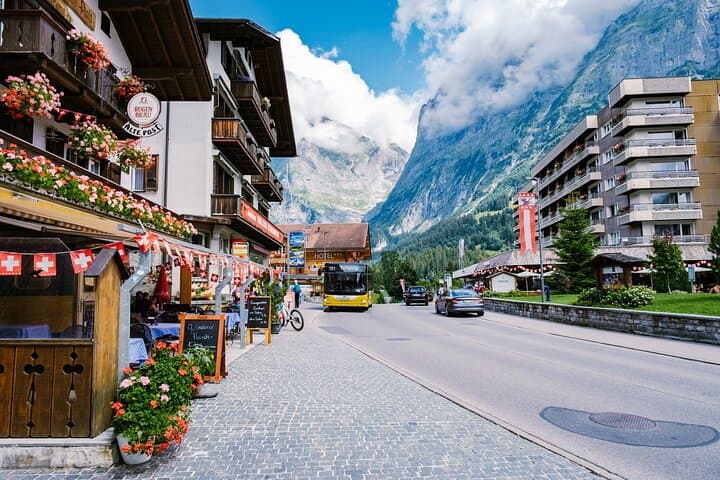


The day begins on Swiss rails: you step onto an Intercity in Bern as the lowlands fall away and the windows frame the rising teeth of the Bernese Alps. By the time you change for the local train to Grindelwald the air tastes colder, the village clinging to a slope beneath the Eiger’s northern wall. A short cogwheel climb deposits you at Kleine Scheidegg (2,061 m), where jagged peaks demand attention and lunch is served with a panorama.
The day begins on Swiss rails: you step onto an Intercity in Bern as the lowlands fall away and the windows frame the rising teeth of the Bernese Alps. By the time you change for the local train to Grindelwald the air tastes colder, the village clinging to a slope beneath the Eiger’s northern wall. A short cogwheel climb deposits you at Kleine Scheidegg (2,061 m), where jagged peaks demand attention and lunch is served with a panorama.
This corridor of valleys shaped by glaciation saw its tourism boom in the 19th century when alpinists and rail engineers opened routes into the high country. Geology is on display: hard granite faces of the Eiger and softer sedimentary benches in the Lauterbrunnen bowl, where Staubbach waterfall plummets almost 300 m from an overhanging rock wall.
Culturally the valley still moves at mountain pace — cable car timetables, hotel kitchens, and the rhythm of local trains. Expect short, accessible walks through alpine streets in Grindelwald and an easy, paved stroll under Staubbach’s spray in Lauterbrunnen.
Practical notes: the tour uses scheduled trains and includes second-class tickets; bring layered clothing and sun protection for altitude exposure, and a small daypack for snacks and camera gear. Trains and platforms are well signed but can be busy in summer — keep tickets and ID handy. If you crave quieter viewpoints, ask to linger at Kleine Scheidegg’s ridge line away from the station buildings. The route is ideal for travelers wanting high-mountain views without technical hiking.