THE ADVENTURE COLLECTIVE® · Independent discovery and booking for outdoor travel

Explore Galle’s fortified streets, watch master carvers at Ambalangoda, glide through the mangroves of the Madu River and visit Kosgoda’s turtle hatchery on a private full-day tour. This itinerary pairs cultural history with coastal nature and practical, comfortable sightseeing.
Explore Galle’s fortified streets, watch master carvers at Ambalangoda, glide through the mangroves of the Madu River and visit Kosgoda’s turtle hatchery on a private full-day tour. This itinerary pairs cultural history with coastal nature and practical, comfortable sightseeing.
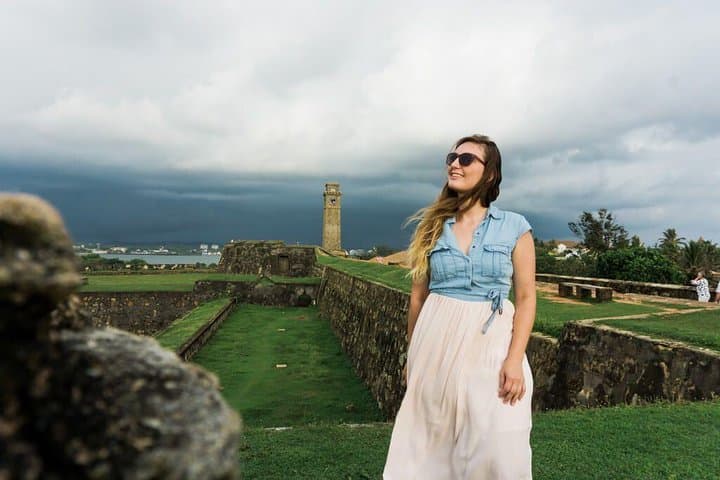
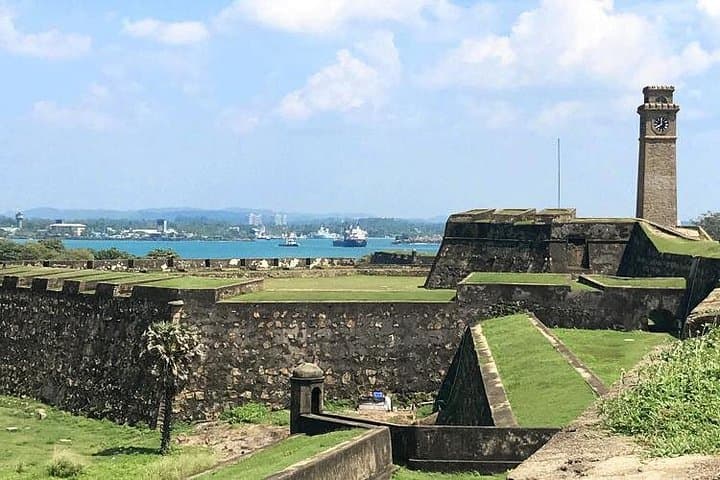
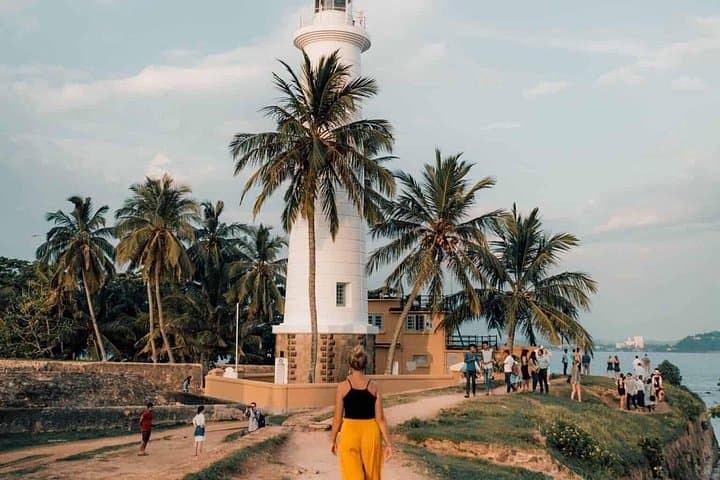
Standing on the weathered ramparts of Galle Fort, the Indian Ocean throws salt and light against centuries-old masonry while a timber trawler carves a white line across the horizon. You follow cobblestone lanes where Dutch-era shopfronts open onto spice-scented alleys, then swap colonial architecture for the bright, carved masks of Ambalangoda and the quiet green of the Maduganga estuary.
Verified experiences and guided adventures in the surrounding area.
Operated by KINGFISHER TOURS SRI LANKA · Galle, Southern Province
Standing on the weathered ramparts of Galle Fort, the Indian Ocean throws salt and light against centuries-old masonry while a timber trawler carves a white line across the horizon. You follow cobblestone lanes where Dutch-era shopfronts open onto spice-scented alleys, then swap colonial architecture for the bright, carved masks of Ambalangoda and the quiet green of the Maduganga estuary.
Galle Fort began as a Portuguese outpost in the late 1500s and was reshaped by the Dutch in the 17th century; its coral-stone walls and grid of streets preserve colonial planning alongside South Asian building techniques. The region’s geology—coastal limestone and reef systems—feeds productive fisheries and the mangrove channels of Madu Ganga, an estuarine wetland supporting fishers and migratory birds. Ambalangoda’s mask carving is a living craft, part ritual and stagecraft, while Kosgoda’s hatchery is a conservation response to historical overharvest and nesting decline.
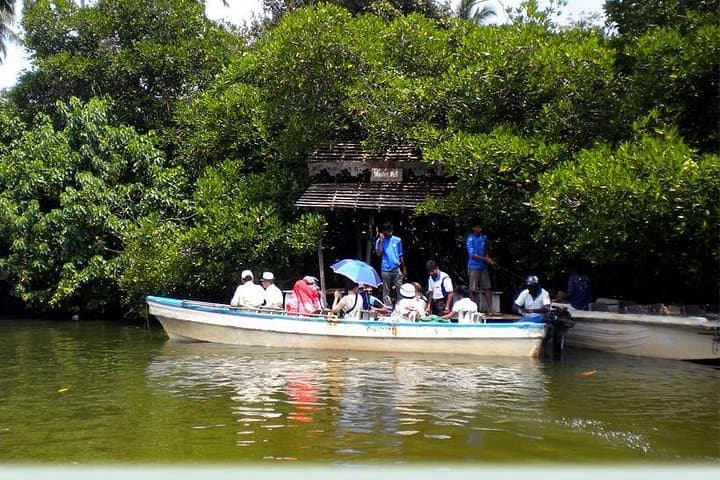
Practical guidance: this private day trip runs around 10–12 hours with hotel pickup across the southwest coast. Expect several short, mostly-flat walking stretches in the fort and mask workshops, a one-hour boat through mangroves, and a visit to a managed turtle hatchery where you can observe or help release hatchlings. Wear breathable layers, sturdy walking shoes, sun protection and bring cash for small purchases. The pace suits most fitness levels but plan for heat and intermittent rain—early starts or late afternoons are more comfortable. Respect local customs at temples and follow hatchery staff instructions when interacting with wildlife.
easy.
10–12 hours.
Suitable for most fitness levels; involves several short walks on cobbles, a boat ride and standing at sites.
Pickup and drop-off are included from hotels in Negombo, Colombo, Bentota, Beruwela and Galle; you specify your pickup point at booking.
Inclusions cover private transport, bottled water and taxes; admissions to some sights may be extra—confirm with the provider when booking.
Hatchery interactions vary—staff supervise and often allow guests to help release hatchlings under guidance to minimize handling stress.
The listing notes wheelchair-accessible transport and surfaces at several stops, but some historic streets and boat access may have limitations—inform the operator of mobility needs in advance.
Galle Fort was fortified by the Portuguese, rebuilt and expanded by the Dutch in the 17th century and later adapted under British rule; UNESCO inscribed it for its blend of European urban planning and South Asian building traditions.
Kosgoda hatchery works to protect nesting turtles and boost hatchling survival; Madu Ganga’s mangroves are recognized for biodiversity—visitors should avoid disturbing nesting sites and use local guides to minimize impact.
KINGFISHER TOURS SRI LANKA operates guided outdoor trips and adventures with an emphasis on safety, stewardship, and memorable experiences.
Standing on the weathered ramparts of Galle Fort, the Indian Ocean throws salt and light against centuries-old masonry while a timber trawler carves a white line across the horizon. You follow cobblestone lanes where Dutch-era shopfronts open onto spice-scented alleys, then swap colonial architecture for the bright, carved masks of Ambalangoda and the quiet green of the Maduganga estuary.
Standing on the weathered ramparts of Galle Fort, the Indian Ocean throws salt and light against centuries-old masonry while a timber trawler carves a white line across the horizon. You follow cobblestone lanes where Dutch-era shopfronts open onto spice-scented alleys, then swap colonial architecture for the bright, carved masks of Ambalangoda and the quiet green of the Maduganga estuary.
Galle Fort began as a Portuguese outpost in the late 1500s and was reshaped by the Dutch in the 17th century; its coral-stone walls and grid of streets preserve colonial planning alongside South Asian building techniques. The region’s geology—coastal limestone and reef systems—feeds productive fisheries and the mangrove channels of Madu Ganga, an estuarine wetland supporting fishers and migratory birds. Ambalangoda’s mask carving is a living craft, part ritual and stagecraft, while Kosgoda’s hatchery is a conservation response to historical overharvest and nesting decline.
Practical guidance: this private day trip runs around 10–12 hours with hotel pickup across the southwest coast. Expect several short, mostly-flat walking stretches in the fort and mask workshops, a one-hour boat through mangroves, and a visit to a managed turtle hatchery where you can observe or help release hatchlings. Wear breathable layers, sturdy walking shoes, sun protection and bring cash for small purchases. The pace suits most fitness levels but plan for heat and intermittent rain—early starts or late afternoons are more comfortable. Respect local customs at temples and follow hatchery staff instructions when interacting with wildlife.