THE ADVENTURE COLLECTIVE® · Independent discovery and booking for outdoor travel

Drive Morocco’s argan-lined road to Essaouira for a wind-swept day on the Atlantic: ancient ramparts, a lively fishing port, and argan cooperatives. This private day trip from Marrakech packs culture and coastal scenery into a manageable, photo-ready outing.
Drive Morocco’s argan-lined road to Essaouira for a wind-swept day on the Atlantic: ancient ramparts, a lively fishing port, and argan cooperatives. This private day trip from Marrakech packs culture and coastal scenery into a manageable, photo-ready outing.
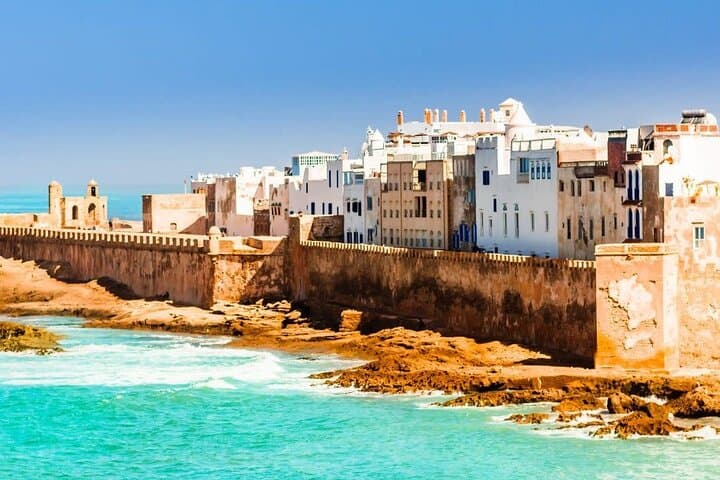
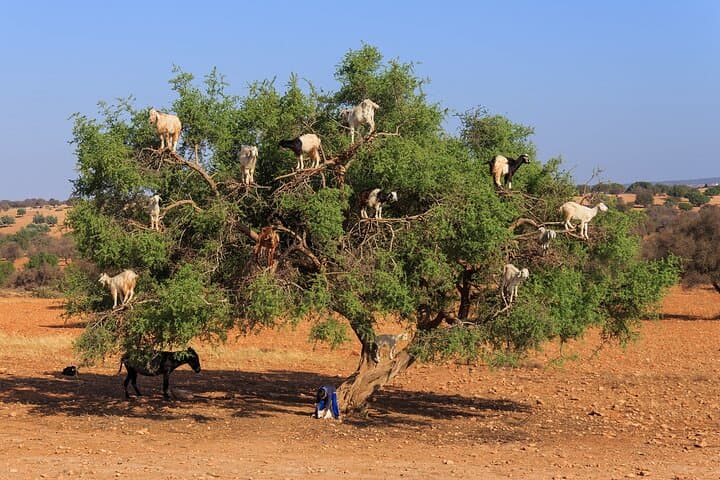
A pre-dawn pickup in Marrakech, the road unfurls through low hills dotted with thorny argan trees; goats graze in their branches as if daring travelers to blink. The Atlantic wind hits before the town does—a steady, salt-bright push that clears the city dust and sets the medina’s blue shutters and white walls sharp against the sky.
Verified experiences and guided adventures in the surrounding area.
Operated by Deep Morocco Tours · Essaouira, Marrakech-Safi
A pre-dawn pickup in Marrakech, the road unfurls through low hills dotted with thorny argan trees; goats graze in their branches as if daring travelers to blink. The Atlantic wind hits before the town does—a steady, salt-bright push that clears the city dust and sets the medina’s blue shutters and white walls sharp against the sky.
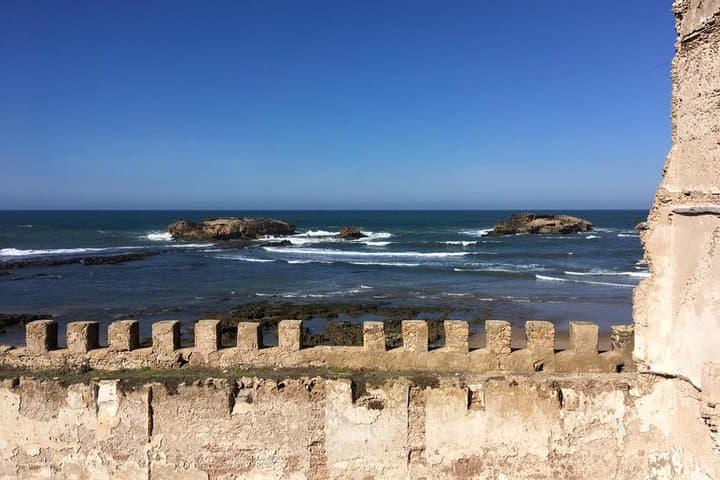
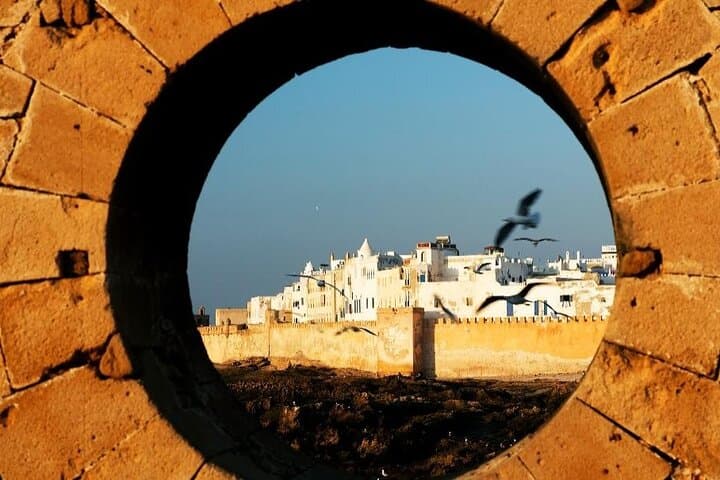
Essaouira (formerly Mogador) is a working port and a lived-in historic center. The ramparts date from 18th-century redesigns, blending Portuguese and North African defensive architecture; underfoot the streets are cobbled, and the harbor still smells of fish and diesel. Geologically, Essaouira sits on a broad coastal shelf, sands and dunes spilling into a wide bay that produces steady winds that kitesurfers prize.
Culturally the town hums with traded goods and music—Gnawa rhythms and the steady barter of the fish market—and nearby argan cooperatives link local women to a centuries-old economy tied to the trees you pass en route.
Practical guidance is simple: expect a full-day rhythm—roughly 2.5–3 hours each way by road from Marrakech and several hours to explore—so pack for wind and sun. Comfortable shoes handle uneven cobbles; a windbreaker makes seaside time pleasant. Aim to arrive before midday to catch the fish market and Skala ramparts in good light; plan a late lunch on fresh catch grilled near the port and save time for a guided argan cooperative or a short camel ride on the beach.
This private day trip is low-effort but rich in coastal scenes, culture, and natural features—an accessible way to add Atlantic Morocco to a Marrakech itinerary while learning about argan ecology and seaside life.
easy.
7 hours.
Suitable for most fitness levels; little to no hiking required but expect walking on cobbles and beach sand.
Expect about 2.5–3 hours each way depending on traffic and stops; the full excursion is typically a 7-hour private day trip.
Goats in argan trees are common in the region but sightings depend on season and where you travel en route; guides often stop for photos when they appear.
Yes—this private tour is rated easy with minimal walking required; families and older travelers who can manage some cobblestone walking are usually comfortable.
Yes—many cooperatives sell locally produced argan oil; buying directly supports local women’s groups, but bring cash and compare prices for authenticity.
Essaouira (Mogador) was reshaped in the 18th century as a fortified Atlantic port with Portuguese and European influences; its medina is a living historic district.
Argan forests are ecologically important and under pressure from development; many visitors support local sustainability by buying from certified cooperatives and minimizing beach litter.
Deep Morocco Tours operates guided outdoor trips and adventures with an emphasis on safety, stewardship, and memorable experiences.
A pre-dawn pickup in Marrakech, the road unfurls through low hills dotted with thorny argan trees; goats graze in their branches as if daring travelers to blink. The Atlantic wind hits before the town does—a steady, salt-bright push that clears the city dust and sets the medina’s blue shutters and white walls sharp against the sky.
A pre-dawn pickup in Marrakech, the road unfurls through low hills dotted with thorny argan trees; goats graze in their branches as if daring travelers to blink. The Atlantic wind hits before the town does—a steady, salt-bright push that clears the city dust and sets the medina’s blue shutters and white walls sharp against the sky.
Essaouira (formerly Mogador) is a working port and a lived-in historic center. The ramparts date from 18th-century redesigns, blending Portuguese and North African defensive architecture; underfoot the streets are cobbled, and the harbor still smells of fish and diesel. Geologically, Essaouira sits on a broad coastal shelf, sands and dunes spilling into a wide bay that produces steady winds that kitesurfers prize.
Culturally the town hums with traded goods and music—Gnawa rhythms and the steady barter of the fish market—and nearby argan cooperatives link local women to a centuries-old economy tied to the trees you pass en route.
Practical guidance is simple: expect a full-day rhythm—roughly 2.5–3 hours each way by road from Marrakech and several hours to explore—so pack for wind and sun. Comfortable shoes handle uneven cobbles; a windbreaker makes seaside time pleasant. Aim to arrive before midday to catch the fish market and Skala ramparts in good light; plan a late lunch on fresh catch grilled near the port and save time for a guided argan cooperative or a short camel ride on the beach.
This private day trip is low-effort but rich in coastal scenes, culture, and natural features—an accessible way to add Atlantic Morocco to a Marrakech itinerary while learning about argan ecology and seaside life.