THE ADVENTURE COLLECTIVE® · Independent discovery and booking for outdoor travel

Escape Marrakech for a wind-swept day on Morocco’s Atlantic coast. This private 1-day trip hits Essaouira’s UNESCO medina, argan cooperatives, seaside ramparts and fresh seafood lunches—perfect for travelers who want culture, coastline and easy walking in one long day.
Escape Marrakech for a wind-swept day on Morocco’s Atlantic coast. This private 1-day trip hits Essaouira’s UNESCO medina, argan cooperatives, seaside ramparts and fresh seafood lunches—perfect for travelers who want culture, coastline and easy walking in one long day.
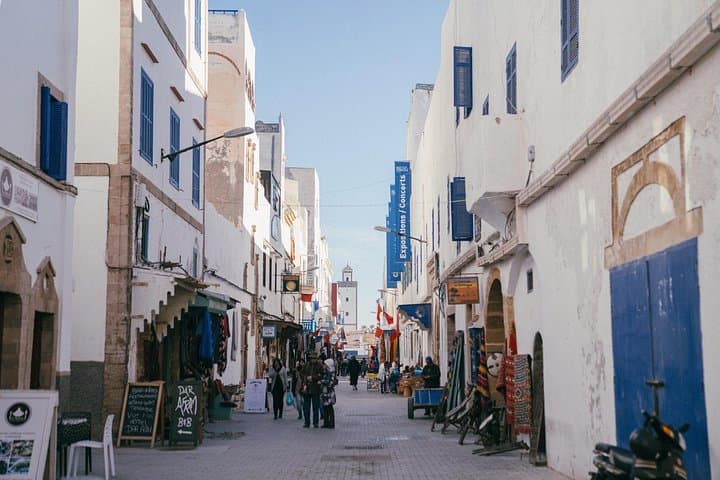
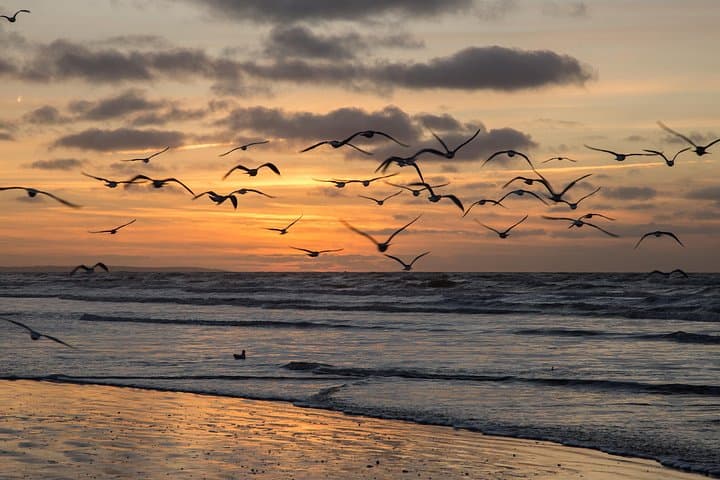
The day begins on the road out of Marrakech, the tarmac unspooling through low hills where argan trees speckle the slopes and goats perch like small, improbable ornaments. By late morning the Atlantic wind announces Essaouira: salt on the air, gulls wheeling above whitewashed ramparts, and the city’s blue-and-white facades sharpening against the sky.
Verified experiences and guided adventures in the surrounding area.
Operated by The Alternative Morocco · Essaouira, Marrakech-Safi
The day begins on the road out of Marrakech, the tarmac unspooling through low hills where argan trees speckle the slopes and goats perch like small, improbable ornaments. By late morning the Atlantic wind announces Essaouira: salt on the air, gulls wheeling above whitewashed ramparts, and the city’s blue-and-white facades sharpening against the sky.
Essaouira’s fortified medina dates to the late 18th century and is a UNESCO World Heritage Site—its bastions reflect European military design while its streets hold Amazigh, Arab and African influences. Geologically the coast is a meeting of exposed limestone and wide sandy beaches, shaped by persistent winds that made the town a center for wind sports and a magnet for filmmakers.
Culturally the town pulses with Gnawa rhythms and an artisanal economy built on argan oil, woodworking and fresh-catch restaurants. Visits typically include a women-run argan cooperative—where olive- and argan-pressing methods are demonstrated—then a stroll through the souks, the Skala ramparts and the working fishing port where mornings are busiest.
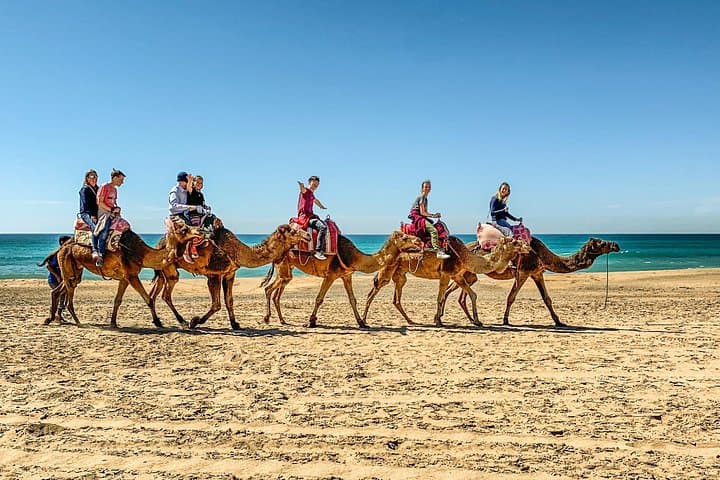
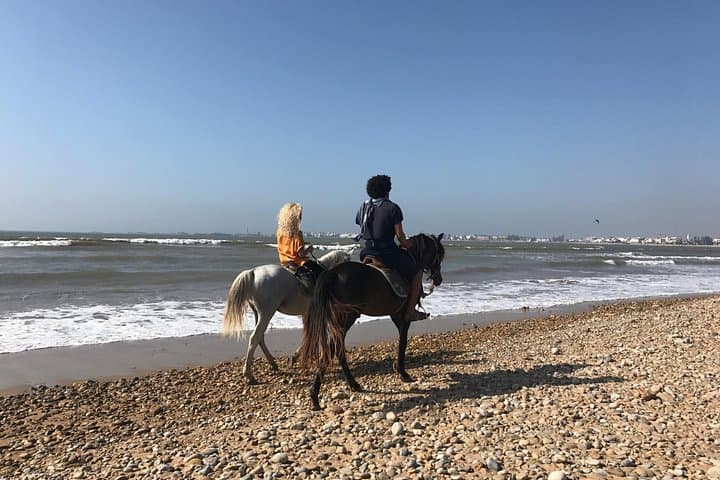
Practical guidance: expect a 12–14 hour round trip with hotel pickup around 8am; travel is by air-conditioned vehicle with time for a relaxed seaside lunch. Wear sturdy shoes for cobbled streets, bring sun protection and cash for markets. Short camel or horse rides along the beach are optional and weather-dependent. Watch for strong winds on the shoreline and be ready for moderate walking and some uphill cobbles in the medina. The route offers easy access to local culture without heavy exertion—ideal for travelers seeking a full-day coastal contrast to Marrakech.
easy.
12–14 hours.
Suitable for most fitness levels; requires short periods of walking on cobbles and some steps in the medina.
The drive takes roughly 2.5–3 hours each way depending on traffic and stops, making for a full 12–14 hour day with sightseeing and lunch.
Lunch is included as noted; you can expect a seafood-focused meal at a local restaurant in or near the medina.
Yes; the tour is rated easy, but infants must sit on an adult’s lap during transport and families should plan for a long day with walks and beach exposure.
Yes—visits to a women-run argan cooperative are included where visitors see processing techniques and sample products.
Essaouira was rebuilt in the late 18th century as a fortified port combining European military design and North African trade influences; its medina is a UNESCO World Heritage Site.
Argan cooperatives support local women and sustainable harvesting methods, but visitors should avoid driving into fragile dune systems and choose responsible animal-ride operators.
The Alternative Morocco operates guided outdoor trips and adventures with an emphasis on safety, stewardship, and memorable experiences.
The day begins on the road out of Marrakech, the tarmac unspooling through low hills where argan trees speckle the slopes and goats perch like small, improbable ornaments. By late morning the Atlantic wind announces Essaouira: salt on the air, gulls wheeling above whitewashed ramparts, and the city’s blue-and-white facades sharpening against the sky.
The day begins on the road out of Marrakech, the tarmac unspooling through low hills where argan trees speckle the slopes and goats perch like small, improbable ornaments. By late morning the Atlantic wind announces Essaouira: salt on the air, gulls wheeling above whitewashed ramparts, and the city’s blue-and-white facades sharpening against the sky.
Essaouira’s fortified medina dates to the late 18th century and is a UNESCO World Heritage Site—its bastions reflect European military design while its streets hold Amazigh, Arab and African influences. Geologically the coast is a meeting of exposed limestone and wide sandy beaches, shaped by persistent winds that made the town a center for wind sports and a magnet for filmmakers.
Culturally the town pulses with Gnawa rhythms and an artisanal economy built on argan oil, woodworking and fresh-catch restaurants. Visits typically include a women-run argan cooperative—where olive- and argan-pressing methods are demonstrated—then a stroll through the souks, the Skala ramparts and the working fishing port where mornings are busiest.
Practical guidance: expect a 12–14 hour round trip with hotel pickup around 8am; travel is by air-conditioned vehicle with time for a relaxed seaside lunch. Wear sturdy shoes for cobbled streets, bring sun protection and cash for markets. Short camel or horse rides along the beach are optional and weather-dependent. Watch for strong winds on the shoreline and be ready for moderate walking and some uphill cobbles in the medina. The route offers easy access to local culture without heavy exertion—ideal for travelers seeking a full-day coastal contrast to Marrakech.