THE ADVENTURE COLLECTIVE® · Independent discovery and booking for outdoor travel

Spend a long day from Luxor visiting two of Egypt’s most evocative temple complexes: Abydos, where Seti I’s funerary architecture and the Osireion reveal royal ritual, and Dendera, whose Hathor temple preserves Ptolemaic art and astronomical reliefs. Expect significant driving, uneven stone walking, and brilliant desert light for photos.
Spend a long day from Luxor visiting two of Egypt’s most evocative temple complexes: Abydos, where Seti I’s funerary architecture and the Osireion reveal royal ritual, and Dendera, whose Hathor temple preserves Ptolemaic art and astronomical reliefs. Expect significant driving, uneven stone walking, and brilliant desert light for photos.
You step into a bright, dry light as the mini-bus leaves Luxor and the Nile's banks slide past: feluccas gliding, palm groves folding into agricultural plots, then wide, ochre desert. The road north tightens history into view—stone monuments rising from flat plains, the temples of Abydos and Dendera asserting centuries of ritual and power.
Verified experiences and guided adventures in the surrounding area.
Operated by Cheap trips · Luxor, Luxor Governorate
You step into a bright, dry light as the mini-bus leaves Luxor and the Nile's banks slide past: feluccas gliding, palm groves folding into agricultural plots, then wide, ochre desert. The road north tightens history into view—stone monuments rising from flat plains, the temples of Abydos and Dendera asserting centuries of ritual and power.
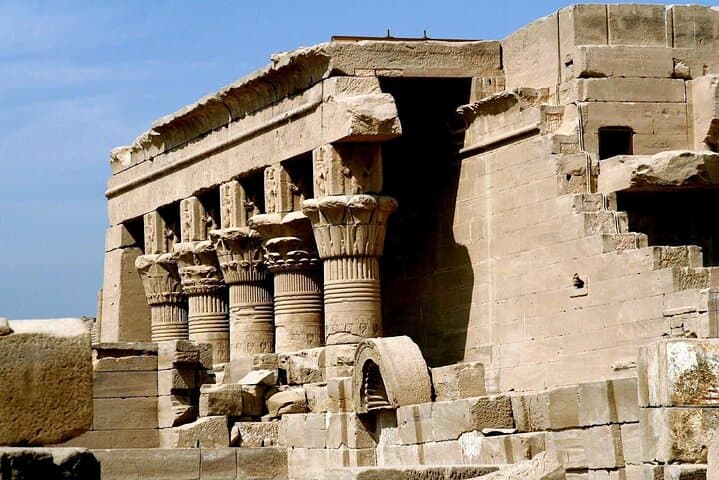
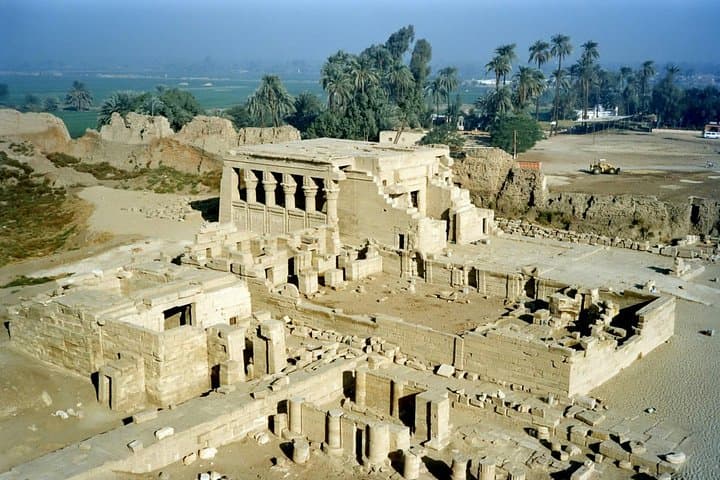
Abydos greets you with the funerary gravity of Seti I—limestone terraces, deep reliefs and the mysterious Osireion tucked behind the main temple. The place reads like an archive of pharaonic kingship: processional scenes, cartouches, and battle lists that record a millennium of rulership. Further on, Dendera opens into a different register. Dedicated to Hathor, its Ptolemaic colonnades and painted ceilings echo a syncretism of Egyptian and Hellenistic craft; astronomical reliefs and the famous zodiac motifs speak to temple astronomy and temple cult life.
Geology is simple here—limestone and calcarenite quarried and dressed to make monumental facades—but weathering and salt crystallization give surfaces a lived, flaked texture. Culturally, these sites remain active places for study and preservation, staffed by guardians and guides who translate iconography into human stories.
Practical guidance: expect a long day—early pick-up from Luxor, several hours driving and walking on uneven stone and loose sand. Bring sun protection, cash for small purchases and tips, and a guide's patience for photography rules and restricted areas. Wear sturdy shoes and hydrate frequently; mornings and late afternoons offer the best light for photos and cooler touring. Respect the monuments—avoid touching painted reliefs—and you’ll leave with a clearer sense of how pharaohs shaped a landscape to last millennia.
easy.
10–12 hours.
Suitable for travelers who can handle several hours of walking and standing over a full day; minimal elevation but uneven terrain.
Tour listings vary; verify before booking—this trip’s notes list admissions as not applicable, so plan to pay site fees on arrival if required.
Expect multiple hours of driving each way: Abydos is roughly 2–3 hours north of Luxor by road, with Dendera between them; total transit and visit time makes this a full-day outing.
The itinerary is rated easy physically, but it involves long days and walking on uneven terrain—consider mobility limitations and sun exposure for young children or those with cardiovascular concerns.
Photography is generally allowed in open areas but some inner chambers or certain reliefs may be restricted; follow your guide’s instructions and any posted rules.
Abydos served as a cult center for Osiris and a royal necropolis referenced by pharaohs like Seti I; Dendera’s current temple complex largely dates to the Ptolemaic and Roman periods and honors Hathor.
Both sites face erosion from salts and tourism; stay on paths, avoid touching painted reliefs, and support preservation by following local rules and paying official fees.
Cheap trips operates guided outdoor trips and adventures with an emphasis on safety, stewardship, and memorable experiences.
You step into a bright, dry light as the mini-bus leaves Luxor and the Nile's banks slide past: feluccas gliding, palm groves folding into agricultural plots, then wide, ochre desert. The road north tightens history into view—stone monuments rising from flat plains, the temples of Abydos and Dendera asserting centuries of ritual and power.
You step into a bright, dry light as the mini-bus leaves Luxor and the Nile's banks slide past: feluccas gliding, palm groves folding into agricultural plots, then wide, ochre desert. The road north tightens history into view—stone monuments rising from flat plains, the temples of Abydos and Dendera asserting centuries of ritual and power.
Abydos greets you with the funerary gravity of Seti I—limestone terraces, deep reliefs and the mysterious Osireion tucked behind the main temple. The place reads like an archive of pharaonic kingship: processional scenes, cartouches, and battle lists that record a millennium of rulership. Further on, Dendera opens into a different register. Dedicated to Hathor, its Ptolemaic colonnades and painted ceilings echo a syncretism of Egyptian and Hellenistic craft; astronomical reliefs and the famous zodiac motifs speak to temple astronomy and temple cult life.
Geology is simple here—limestone and calcarenite quarried and dressed to make monumental facades—but weathering and salt crystallization give surfaces a lived, flaked texture. Culturally, these sites remain active places for study and preservation, staffed by guardians and guides who translate iconography into human stories.
Practical guidance: expect a long day—early pick-up from Luxor, several hours driving and walking on uneven stone and loose sand. Bring sun protection, cash for small purchases and tips, and a guide's patience for photography rules and restricted areas. Wear sturdy shoes and hydrate frequently; mornings and late afternoons offer the best light for photos and cooler touring. Respect the monuments—avoid touching painted reliefs—and you’ll leave with a clearer sense of how pharaohs shaped a landscape to last millennia.