THE ADVENTURE COLLECTIVE® · Independent discovery and booking for outdoor travel

A full-day private transfer from Marrakech delivers the essentials of Casablanca: the oceanfront Hassan II Mosque, the Corniche’s coastal sweep and the Habous Quarter’s crafted streets. Expect about 10 hours total with roughly four hours exploring Casablanca itself.
A full-day private transfer from Marrakech delivers the essentials of Casablanca: the oceanfront Hassan II Mosque, the Corniche’s coastal sweep and the Habous Quarter’s crafted streets. Expect about 10 hours total with roughly four hours exploring Casablanca itself.
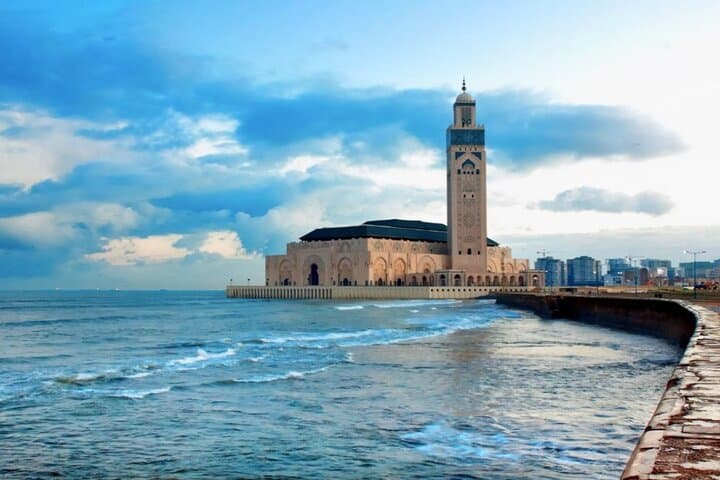
Dawn leaves Marrakech behind as the road unspools west across the Saadian plains — palms give way to scrub and then the Atlantic appears, sudden and wide. By midmorning the Hassan II Mosque anchors the shore: its minaret punctures the skyline and stonework traces patterns that catch the ocean light. Walk the mosque terraces, breathe salt-laced air on the Corniche and move through the ordered streets of the Habous Quarter where French-era planning meets Moroccan crafts.
Verified experiences and guided adventures in the surrounding area.
Operated by morocco travel holidays · Casablanca, Casablanca-Settat
Dawn leaves Marrakech behind as the road unspools west across the Saadian plains — palms give way to scrub and then the Atlantic appears, sudden and wide. By midmorning the Hassan II Mosque anchors the shore: its minaret punctures the skyline and stonework traces patterns that catch the ocean light. Walk the mosque terraces, breathe salt-laced air on the Corniche and move through the ordered streets of the Habous Quarter where French-era planning meets Moroccan crafts.
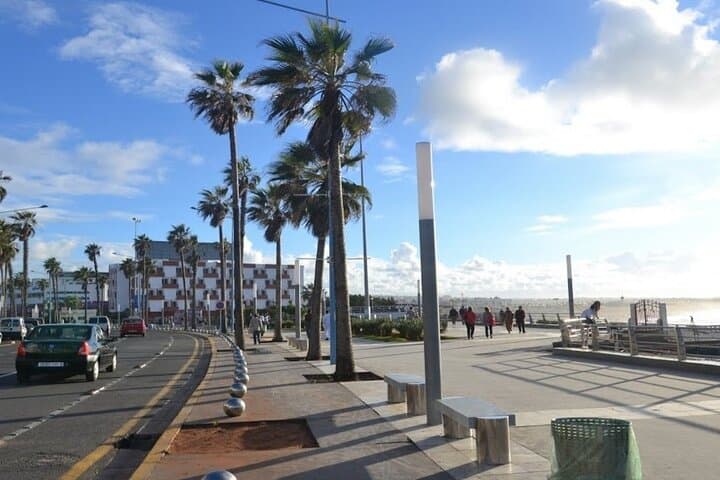
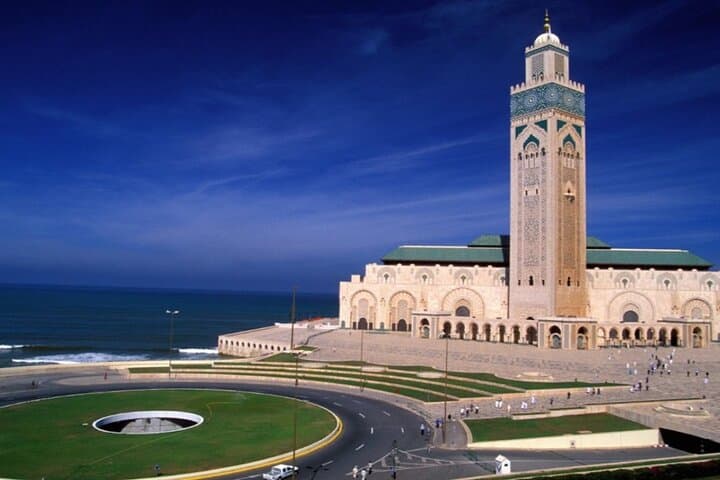
Casablanca grew into Morocco’s economic engine during the French protectorate and bears that history in its 20th-century boulevards and the geometric lines of the Royal Palace facades. Hassan II Mosque, completed in 1993, sits partly reclaimed from the sea and showcases modern Moroccan craftsmanship at monument scale. The Corniche Ain Diab is contemporary leisure culture—cafés, promenades, and Atlantic surf that still shapes the city’s livelihood.
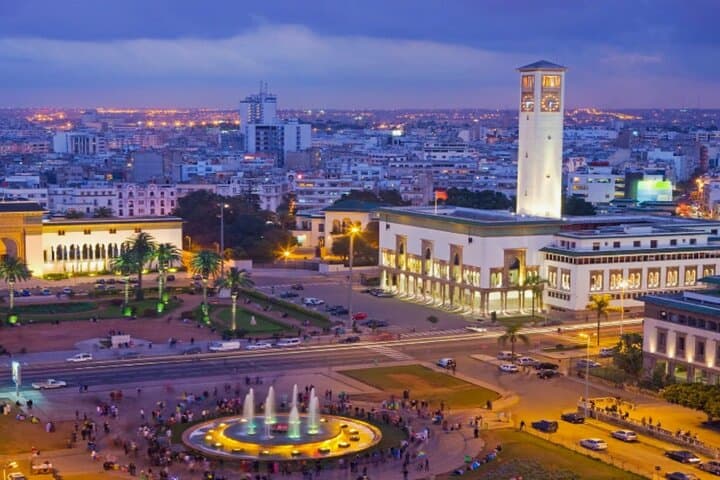
Expect market lanes, tiled riads visible through archways, and the regulated bustle of Mohammed V Square. Practicalities: the drive from Marrakech is about 240 km each way (~2.5–3 hours), with roughly four hours in Casablanca on this itinerary. Mosque interior access for non-Muslims is limited to guided tour times—confirm ahead and dress modestly; shoes are removed for mosque entry.
Bring a day pack, water, and comfortable walking shoes for cobbled streets and coastal breeze. Plan to eat at a seaside café on the Corniche or try a pastry in the Habous. Time your day to avoid Friday prayer windows when some sites alter visiting hours. This private transfer-style day trip is straightforward logistics-wise and gives a compact, curated view of Morocco’s largest city.
easy.
10 hours.
Suitable for travelers in normal daily fitness; involves short walks, standing, and some steps
The drive is roughly 240 km and usually takes 2.5–3 hours each way depending on traffic.
Yes—non-Muslim visitors can join scheduled guided tours inside the mosque; times vary so confirm beforehand.
Most private day trips do not include meals—there will be opportunities to buy food at the Corniche or in the Habous Quarter.
Yes—drivers typically schedule short breaks en route and there are facilities in Casablanca during your visit.
Casablanca expanded rapidly under French rule in the early 20th century; much of its grand boulevards and civic architecture date to the protectorate era.
Coastal development and tourism pressure impact the shoreline; pack out waste, avoid single-use plastics and respect restricted marine areas.
morocco travel holidays operates guided outdoor trips and adventures with an emphasis on safety, stewardship, and memorable experiences.
Dawn leaves Marrakech behind as the road unspools west across the Saadian plains — palms give way to scrub and then the Atlantic appears, sudden and wide. By midmorning the Hassan II Mosque anchors the shore: its minaret punctures the skyline and stonework traces patterns that catch the ocean light. Walk the mosque terraces, breathe salt-laced air on the Corniche and move through the ordered streets of the Habous Quarter where French-era planning meets Moroccan crafts.
Dawn leaves Marrakech behind as the road unspools west across the Saadian plains — palms give way to scrub and then the Atlantic appears, sudden and wide. By midmorning the Hassan II Mosque anchors the shore: its minaret punctures the skyline and stonework traces patterns that catch the ocean light. Walk the mosque terraces, breathe salt-laced air on the Corniche and move through the ordered streets of the Habous Quarter where French-era planning meets Moroccan crafts.
Casablanca grew into Morocco’s economic engine during the French protectorate and bears that history in its 20th-century boulevards and the geometric lines of the Royal Palace facades. Hassan II Mosque, completed in 1993, sits partly reclaimed from the sea and showcases modern Moroccan craftsmanship at monument scale. The Corniche Ain Diab is contemporary leisure culture—cafés, promenades, and Atlantic surf that still shapes the city’s livelihood.
Expect market lanes, tiled riads visible through archways, and the regulated bustle of Mohammed V Square. Practicalities: the drive from Marrakech is about 240 km each way (~2.5–3 hours), with roughly four hours in Casablanca on this itinerary. Mosque interior access for non-Muslims is limited to guided tour times—confirm ahead and dress modestly; shoes are removed for mosque entry.
Bring a day pack, water, and comfortable walking shoes for cobbled streets and coastal breeze. Plan to eat at a seaside café on the Corniche or try a pastry in the Habous. Time your day to avoid Friday prayer windows when some sites alter visiting hours. This private transfer-style day trip is straightforward logistics-wise and gives a compact, curated view of Morocco’s largest city.