THE ADVENTURE COLLECTIVE® · Independent discovery and booking for outdoor travel

Escape Seville for a private full-day exploration of Carmona’s 5,000 years of history. Walk Roman tomb terraces, visit a medieval Alcázar viewpoint, and enjoy lunch in a compact, monument-rich center.
Escape Seville for a private full-day exploration of Carmona’s 5,000 years of history. Walk Roman tomb terraces, visit a medieval Alcázar viewpoint, and enjoy lunch in a compact, monument-rich center.
The day begins as you leave Seville’s bustle behind and drive over golden fields toward Carmona, a fortified town perched above the Guadalquivir valley. The road opens to stone walls and a skyline of bell towers; wind threads through narrow lanes and the terraces of the Roman necropolis lay like an open book, edges softened by centuries.
Verified experiences and guided adventures in the surrounding area.
Operated by Vandalia Tours · Carmona, Seville
The day begins as you leave Seville’s bustle behind and drive over golden fields toward Carmona, a fortified town perched above the Guadalquivir valley. The road opens to stone walls and a skyline of bell towers; wind threads through narrow lanes and the terraces of the Roman necropolis lay like an open book, edges softened by centuries.
Carmona’s layers of history are visible in sequence: Tartessian and Phoenician traces give way to Roman tombs and forum remains, then Islamic fortifications and later Christian churches. Geologically, the town sits on a limestone outcrop that created defensible terraces and the deep burial chambers of the necropolis. Culturally, Carmona’s convent pastries and the Parador at the Alcázar reflect Andalusia’s blend of monastic and aristocratic traditions.
The private, full-day format lets visitors move at a steady walking pace — archaeological terraces, a compact historic center, and viewpoints over the river valley. Expect cobbled streets, steps, and short climbs to viewpoints; some interiors close on Mondays (notably the necropolis). Guides typically include entrance fees for scheduled monuments and a lunch stop in the center.
Practical notes: plan for 6–7 hours, wear sturdy shoes for uneven cobbles, carry water and sun protection in summer, and a light jacket in shoulder seasons. Photography is straightforward but respect active convent spaces. Reservations commonly include private transport, an air-conditioned vehicle, and a licensed guide — ideal for travelers who want context without the rush of a group tour.
easy.
6–7 hours.
Suitable for most fitness levels; involves several hours of walking on cobbles with short climbs and steps.
The private tour runs about 6–7 hours and generally includes private transport from Seville, a licensed guide, entrance fees for scheduled monuments, and time for lunch in Carmona’s historic center.
The tour is billed as suitable for all fitness levels, but the town has cobbled streets and steps; travelers with limited mobility should check access for specific sites and request assistance when booking.
Guided visits to scheduled monuments like the Roman Necropolis and main church are typically included, but closures (e.g., Mondays) may require alternative visits such as the Convent of Santa Clara.
Full refunds are usually available if you cancel at least 24 hours before departure; check your booking confirmation for exact terms.
Carmona has seen continuous occupation from pre-Roman times through Islamic and Christian rule; its Roman necropolis is among the most important on the Iberian Peninsula.
Visitors are asked to stay on marked paths in archaeological zones and respect signposted areas to protect fragile ruins; local tourism supports conservation through entrance fees.
Vandalia Tours operates guided outdoor trips and adventures with an emphasis on safety, stewardship, and memorable experiences.
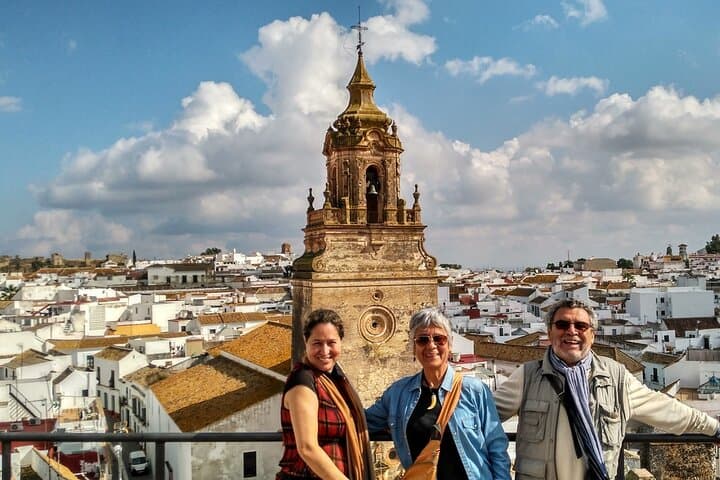
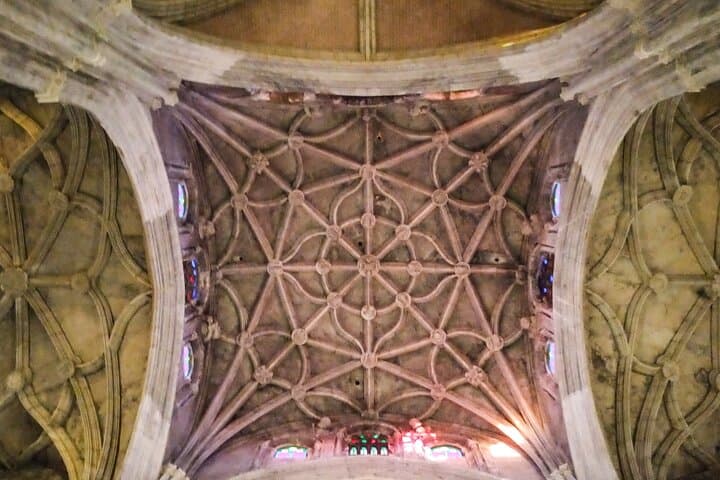
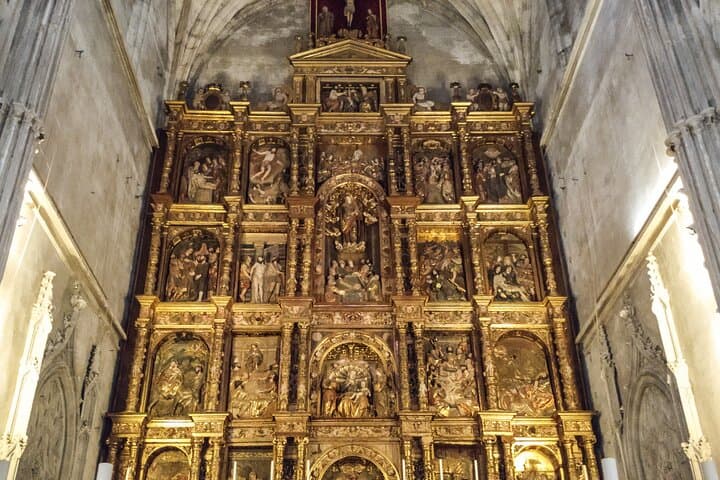
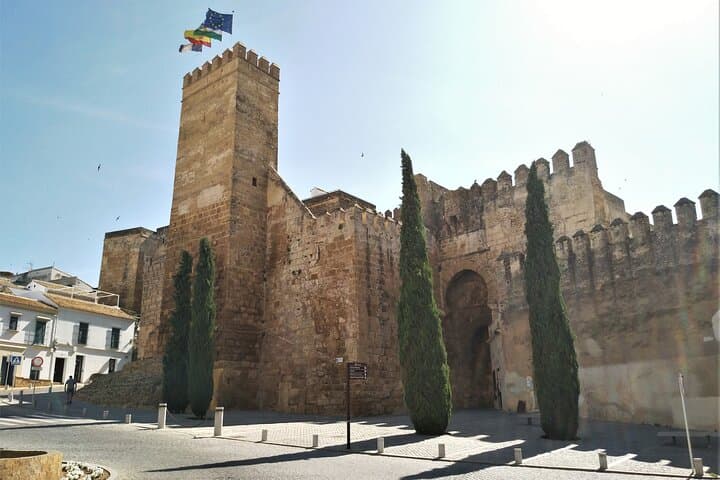
The day begins as you leave Seville’s bustle behind and drive over golden fields toward Carmona, a fortified town perched above the Guadalquivir valley. The road opens to stone walls and a skyline of bell towers; wind threads through narrow lanes and the terraces of the Roman necropolis lay like an open book, edges softened by centuries.
The day begins as you leave Seville’s bustle behind and drive over golden fields toward Carmona, a fortified town perched above the Guadalquivir valley. The road opens to stone walls and a skyline of bell towers; wind threads through narrow lanes and the terraces of the Roman necropolis lay like an open book, edges softened by centuries.
Carmona’s layers of history are visible in sequence: Tartessian and Phoenician traces give way to Roman tombs and forum remains, then Islamic fortifications and later Christian churches. Geologically, the town sits on a limestone outcrop that created defensible terraces and the deep burial chambers of the necropolis. Culturally, Carmona’s convent pastries and the Parador at the Alcázar reflect Andalusia’s blend of monastic and aristocratic traditions.
The private, full-day format lets visitors move at a steady walking pace — archaeological terraces, a compact historic center, and viewpoints over the river valley. Expect cobbled streets, steps, and short climbs to viewpoints; some interiors close on Mondays (notably the necropolis). Guides typically include entrance fees for scheduled monuments and a lunch stop in the center.
Practical notes: plan for 6–7 hours, wear sturdy shoes for uneven cobbles, carry water and sun protection in summer, and a light jacket in shoulder seasons. Photography is straightforward but respect active convent spaces. Reservations commonly include private transport, an air-conditioned vehicle, and a licensed guide — ideal for travelers who want context without the rush of a group tour.