THE ADVENTURE COLLECTIVE® · Independent discovery and booking for outdoor travel

Fly from Sharm El Sheikh to Cairo for a concentrated day among pharaonic giants — the Egyptian Museum, Giza’s pyramids and valley temple, plus papyrus and perfume demonstrations. Long day but high reward: plan for sun, walking, and an early start.
Fly from Sharm El Sheikh to Cairo for a concentrated day among pharaonic giants — the Egyptian Museum, Giza’s pyramids and valley temple, plus papyrus and perfume demonstrations. Long day but high reward: plan for sun, walking, and an early start.
You wake before dawn, hauled from Sharm El Sheikh in an air-conditioned van, and the desert still whispers as the highway slides by. By mid-morning the plane lowers over Greater Cairo and the Nile unfurls below like a dark ribbon daring you to follow it. Your Egyptology guide meets you at the airport and the city’s layered history becomes immediate: crowded streets, sun-baked stone, and monuments that refuse to be ordinary.
Verified experiences and guided adventures in the surrounding area.
Operated by Mody Egypt Tours · Cairo, Cairo Governorate
You wake before dawn, hauled from Sharm El Sheikh in an air-conditioned van, and the desert still whispers as the highway slides by. By mid-morning the plane lowers over Greater Cairo and the Nile unfurls below like a dark ribbon daring you to follow it. Your Egyptology guide meets you at the airport and the city’s layered history becomes immediate: crowded streets, sun-baked stone, and monuments that refuse to be ordinary.
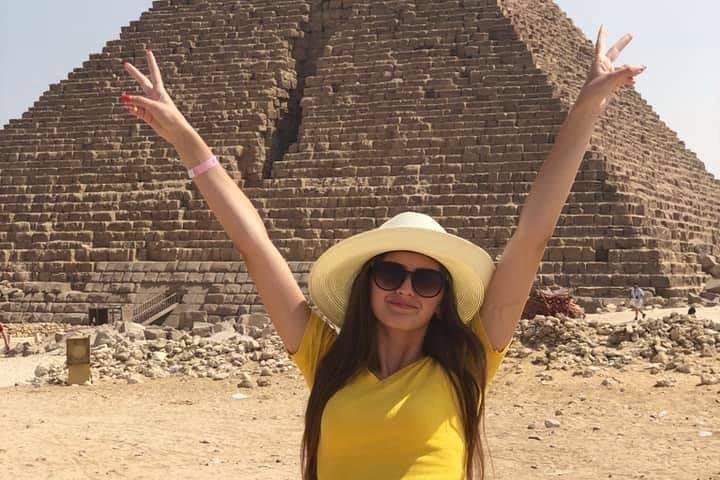
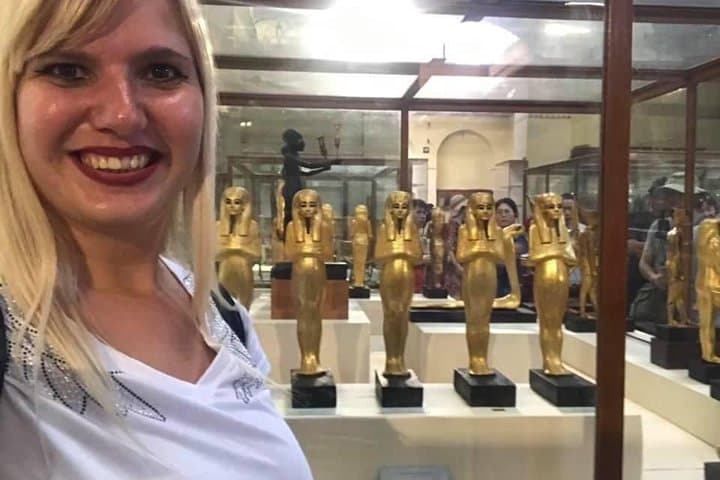
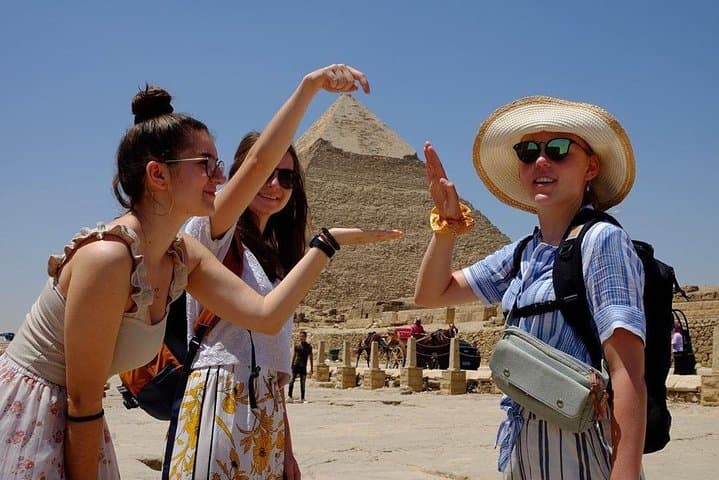
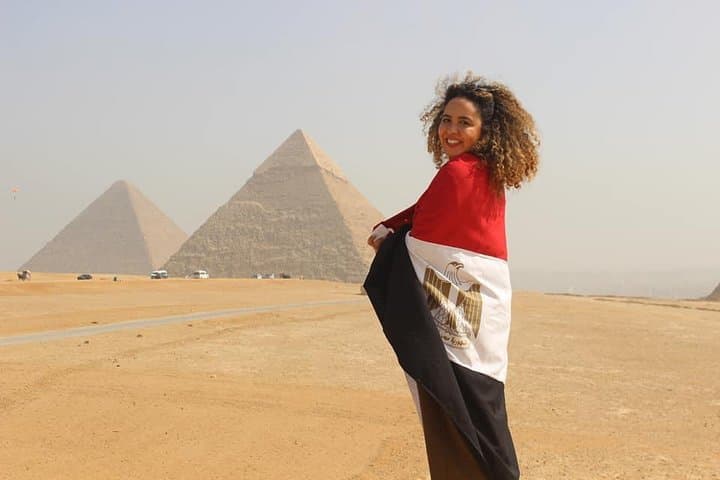
The Egyptian Museum houses artifacts from millennia, including Tutankhamun’s funerary mask, while the Giza Plateau puts scale on that history — three pyramids rising from the limestone bedrock the ancient builders chose. The Valley Temple’s weathered blocks explain mummification rites and funerary logistics; the papyrus institute demonstrates the earliest paper-making techniques that recorded it all.
Geology here is plain: the plateau is Eocene limestone; sand and wind shift views by the hour. Culture is equally tangible — vendors, Nile-side cafés, and time-honored trades like perfume and papyrus craft. Expect a long, full day (12–15 hours) with several short walks between sites, exposed sun, and standing-room history.
Practical notes: carry your passport and printed tickets, wear sturdy walking shoes and a wide-brim hat, and plan for cash for small purchases and tips. Temperatures spike by midday — hydrate frequently and time photographic stops for softer light. If you want shorter queues, ask for skip-the-line entry options and confirm which admissions are included when you book.
easy.
12–15 hours.
Suitable for average fitness; requires standing and short walks between sites but no technical exertion.
Pickup is typically very early (around 04:30) to catch the morning flight; expect a 12–15 hour day including flights, guided visits, lunch and transfers.
Inclusions vary by operator; this package lists flights, transfers, guide and lunch — confirm with the provider whether site entrance fees are covered or payable on arrival.
Yes — infants must sit on an adult’s lap on flights and specialized infant seats may be available; plan for a long day and bring child-friendly essentials.
Photography is generally allowed at the pyramids and most outdoor areas; the museum has specific rules — flash photography and tripods may be restricted in some galleries.
The Giza pyramids date to the Old Kingdom (c. 2600–2500 BCE); the Egyptian Museum holds artifacts spanning thousands of years, including Tutankhamun’s burial goods.
Visitor pressure affects fragile sites and artifacts — follow guides’ instructions, avoid touching antiquities, and favor licensed shops and guides to support local conservation.
Mody Egypt Tours operates guided outdoor trips and adventures with an emphasis on safety, stewardship, and memorable experiences.
You wake before dawn, hauled from Sharm El Sheikh in an air-conditioned van, and the desert still whispers as the highway slides by. By mid-morning the plane lowers over Greater Cairo and the Nile unfurls below like a dark ribbon daring you to follow it. Your Egyptology guide meets you at the airport and the city’s layered history becomes immediate: crowded streets, sun-baked stone, and monuments that refuse to be ordinary.
You wake before dawn, hauled from Sharm El Sheikh in an air-conditioned van, and the desert still whispers as the highway slides by. By mid-morning the plane lowers over Greater Cairo and the Nile unfurls below like a dark ribbon daring you to follow it. Your Egyptology guide meets you at the airport and the city’s layered history becomes immediate: crowded streets, sun-baked stone, and monuments that refuse to be ordinary.
The Egyptian Museum houses artifacts from millennia, including Tutankhamun’s funerary mask, while the Giza Plateau puts scale on that history — three pyramids rising from the limestone bedrock the ancient builders chose. The Valley Temple’s weathered blocks explain mummification rites and funerary logistics; the papyrus institute demonstrates the earliest paper-making techniques that recorded it all.
Geology here is plain: the plateau is Eocene limestone; sand and wind shift views by the hour. Culture is equally tangible — vendors, Nile-side cafés, and time-honored trades like perfume and papyrus craft. Expect a long, full day (12–15 hours) with several short walks between sites, exposed sun, and standing-room history.
Practical notes: carry your passport and printed tickets, wear sturdy walking shoes and a wide-brim hat, and plan for cash for small purchases and tips. Temperatures spike by midday — hydrate frequently and time photographic stops for softer light. If you want shorter queues, ask for skip-the-line entry options and confirm which admissions are included when you book.