THE ADVENTURE COLLECTIVE® · Independent discovery and booking for outdoor travel

Spend a private day exploring Brač from Split or Trogir: olive oil museum visits, local lunch, wine tasting, and a stop at Zlatni Rat beach. This guided trip blends geology, culinary tradition, and coastal scenery into a single day on Croatia’s third-largest island.
Spend a private day exploring Brač from Split or Trogir: olive oil museum visits, local lunch, wine tasting, and a stop at Zlatni Rat beach. This guided trip blends geology, culinary tradition, and coastal scenery into a single day on Croatia’s third-largest island.
The ferry slows and the Adriatic breathes salt across the deck as Brač pulls into view: low, white limestone cliffs, olive trees stippling slopes, and the famous horn of sand at Zlatni Rat pointing like a compass needle into the sea.
Verified experiences and guided adventures in the surrounding area.
Operated by Private Tours Travel Agency · Bol, Split-Dalmatia County
The ferry slows and the Adriatic breathes salt across the deck as Brač pulls into view: low, white limestone cliffs, olive trees stippling slopes, and the famous horn of sand at Zlatni Rat pointing like a compass needle into the sea.
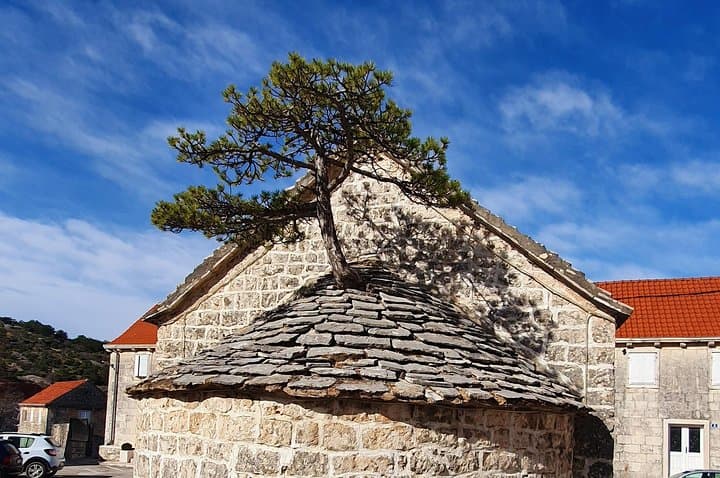
This private day trip from Split or Trogir threads coastal history and living island life into a six- to ten-hour loop. Brač's limestone—worked for centuries in quarries and small workshops—built Roman and Dalmatian structures; villages such as Škrip and Nerežišća preserve that stone‑working heritage alongside family-run olive presses. Geologically, the island is a raised limestone plateau with karst gullies, shallow soils that favor knobby olive trees and low scrub.
Expect a mix of short walks around village centers, a guided visit to an olive oil museum and tasting, and time on the wind-sculpted Zlatni Rat beach if conditions permit. Local culture is tactile: tastings of extra virgin olive oil, brač cheese, smoked prosciutto and local wines happen at family-run konobas and small producers. English-speaking guides frame stories of seafaring, quarrying, and seasonal harvest rhythms.
Practical side: plan for 6–10 hours, wear sturdy walking shoes for uneven village streets and stone steps, bring sun protection and a light wind layer for open decks. Sea conditions can alter the route—captain decides for safety—so leave heavy schedules on the mainland. Carry a small amount of cash for village stalls and support local producers by buying a bottle of oil or a jar of jam to remember the island by.
easy.
6–10 hours.
Suitable for travelers in regular, everyday fitness; involves short walks and standing during tastings
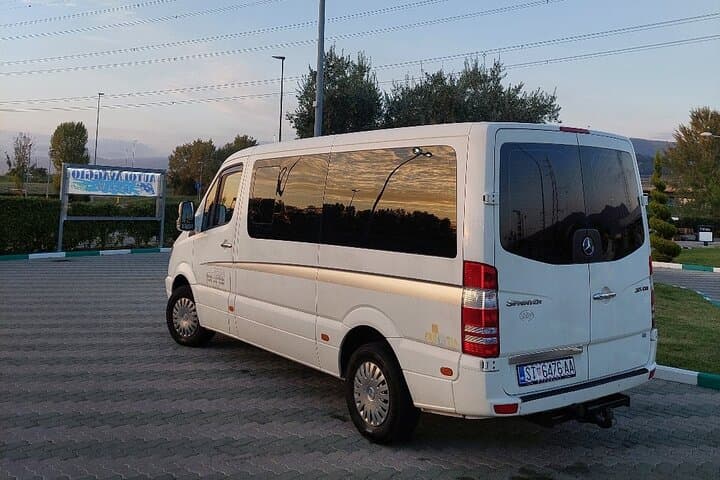
Departures are organized from Split or Trogir—confirm your pickup point when booking and allow extra time for harbor transfers.
Yes; the tour is listed as physically easy and is stroller-accessible for infants, but minors should be supervised on decks and rocky beaches.
Yes—olive oil and wine tastings plus a local lunch are included as part of the experience, featuring regional cheeses, olives and small dishes.
The captain may alter the route or cancel for safety; in that case you can reschedule or receive a full refund per the operator’s policy.
Brač’s white limestone has been quarried for centuries and supplied building stone for regional monuments; island villages bear traces of Venetian and Dalmatian maritime history.
Zlatni Rat’s shape shifts with currents and human pressure; stick to marked paths, buy local produce to support small-scale farmers, and avoid single-use plastics while touring.
Private Tours Travel Agency operates guided outdoor trips and adventures with an emphasis on safety, stewardship, and memorable experiences.


The ferry slows and the Adriatic breathes salt across the deck as Brač pulls into view: low, white limestone cliffs, olive trees stippling slopes, and the famous horn of sand at Zlatni Rat pointing like a compass needle into the sea.
The ferry slows and the Adriatic breathes salt across the deck as Brač pulls into view: low, white limestone cliffs, olive trees stippling slopes, and the famous horn of sand at Zlatni Rat pointing like a compass needle into the sea.
This private day trip from Split or Trogir threads coastal history and living island life into a six- to ten-hour loop. Brač's limestone—worked for centuries in quarries and small workshops—built Roman and Dalmatian structures; villages such as Škrip and Nerežišća preserve that stone‑working heritage alongside family-run olive presses. Geologically, the island is a raised limestone plateau with karst gullies, shallow soils that favor knobby olive trees and low scrub.
Expect a mix of short walks around village centers, a guided visit to an olive oil museum and tasting, and time on the wind-sculpted Zlatni Rat beach if conditions permit. Local culture is tactile: tastings of extra virgin olive oil, brač cheese, smoked prosciutto and local wines happen at family-run konobas and small producers. English-speaking guides frame stories of seafaring, quarrying, and seasonal harvest rhythms.
Practical side: plan for 6–10 hours, wear sturdy walking shoes for uneven village streets and stone steps, bring sun protection and a light wind layer for open decks. Sea conditions can alter the route—captain decides for safety—so leave heavy schedules on the mainland. Carry a small amount of cash for village stalls and support local producers by buying a bottle of oil or a jar of jam to remember the island by.