THE ADVENTURE COLLECTIVE® · Independent discovery and booking for outdoor travel

Drive the High Atlas to Aït Benhaddou for a guided tour of the UNESCO kasbah, panoramic mountain views, and a traditional Moroccan lunch. This private day trip from Marrakech blends scenic mountain passes with centuries-old earthen architecture.
Drive the High Atlas to Aït Benhaddou for a guided tour of the UNESCO kasbah, panoramic mountain views, and a traditional Moroccan lunch. This private day trip from Marrakech blends scenic mountain passes with centuries-old earthen architecture.
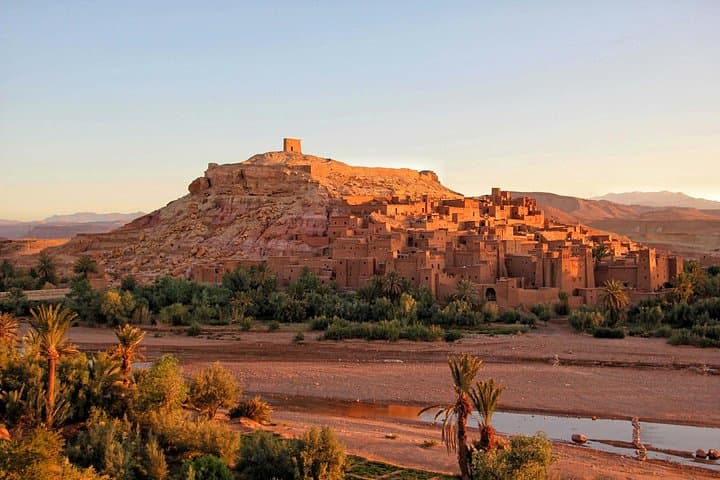
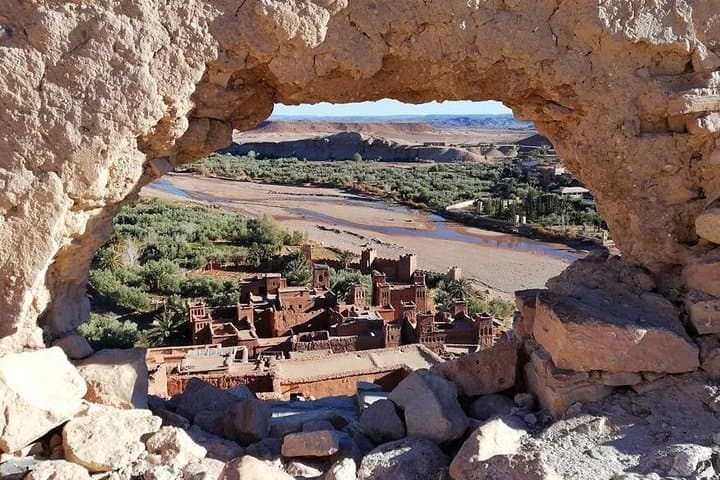
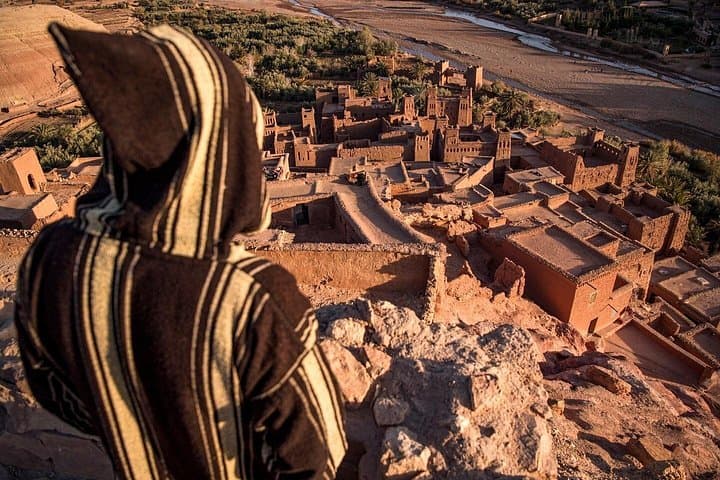
You leave Marrakech before dawn and the city’s heat peels away as the road climbs into the High Atlas. The pass tightens and the air sharpens; valleys below fold like pages and the Tizi n’Tichka push of wind dares you to look back. By midmorning the red-brown silhouette of Aït Benhaddou rises from the plain—an earthen ksar holding narrow alleys, towers, and rooftops that reward slow exploration.
Verified experiences and guided adventures in the surrounding area.
Operated by TRAKECH TOURS · Aït Benhaddou, Drâa-Tafilalet
You leave Marrakech before dawn and the city’s heat peels away as the road climbs into the High Atlas. The pass tightens and the air sharpens; valleys below fold like pages and the Tizi n’Tichka push of wind dares you to look back. By midmorning the red-brown silhouette of Aït Benhaddou rises from the plain—an earthen ksar holding narrow alleys, towers, and rooftops that reward slow exploration.
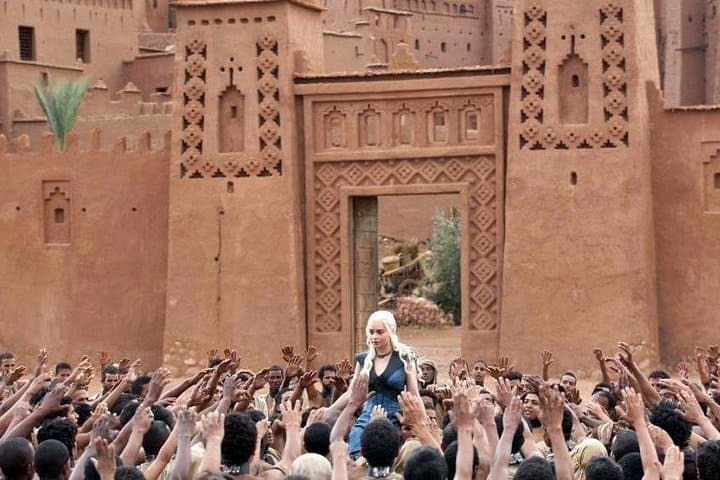
Aït Benhaddou stands where trans-Saharan routes once met mountain tracks. Its mud-brick architecture and defensive layout reflect centuries of caravan trade; the site is a UNESCO World Heritage location and has hosted films from Lawrence of Arabia to Gladiator. Geologically, the region is an interface of folded Atlas ranges and alluvial plains, which is why the kasbah’s clay has endured here. Culturally, expect Berber hospitality—small shops, mint tea rituals, and local guides who know the kasbah’s stories.
Practical notes: the round trip from Marrakech is long—9–10 hours with roughly three hours of driving each way—so plan for early pickup and a flexible schedule. Wear sturdy shoes for uneven stone and clay paths; sun and wind are constant on the exposed rooftop viewpoints. Bring water, cash for small purchases and tips, and a sense of patience for narrow stairs and local pace. Photographers will value the late-afternoon light, but morning visits cut the heat. The trip blends scenic driving, cultural immersion, and short hikes through historic lanes—compact, tactile, and unmistakably Moroccan.
moderate.
9–10 hours.
Moderate fitness recommended — you’ll sit for long drives and do short, steep walks on uneven terrain.
Expect roughly three hours each way depending on traffic and stops; total tour time is about 9–10 hours.
Check your booking details—many private tours include a guide but not official site entrance fees, which are usually paid on arrival.
The long drive and uneven steps mean moderate fitness is required; families with young children or seniors should consider mobility limitations.
Yes — the itinerary typically includes a traditional Moroccan lunch at a local restaurant near the kasbah; vegetarian options are commonly available.
Aït Benhaddou was a fortified caravanserai on trans-Saharan trade routes; its earthen kasbah reflects centuries of clay-building techniques and strategic location.
The ksar’s earthen structures are sensitive to wear; support local guides, avoid climbing fragile walls, and carry out any trash to reduce impact.
TRAKECH TOURS operates guided outdoor trips and adventures with an emphasis on safety, stewardship, and memorable experiences.
You leave Marrakech before dawn and the city’s heat peels away as the road climbs into the High Atlas. The pass tightens and the air sharpens; valleys below fold like pages and the Tizi n’Tichka push of wind dares you to look back. By midmorning the red-brown silhouette of Aït Benhaddou rises from the plain—an earthen ksar holding narrow alleys, towers, and rooftops that reward slow exploration.
You leave Marrakech before dawn and the city’s heat peels away as the road climbs into the High Atlas. The pass tightens and the air sharpens; valleys below fold like pages and the Tizi n’Tichka push of wind dares you to look back. By midmorning the red-brown silhouette of Aït Benhaddou rises from the plain—an earthen ksar holding narrow alleys, towers, and rooftops that reward slow exploration.
Aït Benhaddou stands where trans-Saharan routes once met mountain tracks. Its mud-brick architecture and defensive layout reflect centuries of caravan trade; the site is a UNESCO World Heritage location and has hosted films from Lawrence of Arabia to Gladiator. Geologically, the region is an interface of folded Atlas ranges and alluvial plains, which is why the kasbah’s clay has endured here. Culturally, expect Berber hospitality—small shops, mint tea rituals, and local guides who know the kasbah’s stories.
Practical notes: the round trip from Marrakech is long—9–10 hours with roughly three hours of driving each way—so plan for early pickup and a flexible schedule. Wear sturdy shoes for uneven stone and clay paths; sun and wind are constant on the exposed rooftop viewpoints. Bring water, cash for small purchases and tips, and a sense of patience for narrow stairs and local pace. Photographers will value the late-afternoon light, but morning visits cut the heat. The trip blends scenic driving, cultural immersion, and short hikes through historic lanes—compact, tactile, and unmistakably Moroccan.