THE ADVENTURE COLLECTIVE® · Independent discovery and booking for outdoor travel

Spend a full day touring two UNESCO World Heritage Sites—Taj Mahal and Agra Fort—on a private guided trip from Delhi. This itinerary blends historical context, efficient transport, and time for local crafts and lunch.
Spend a full day touring two UNESCO World Heritage Sites—Taj Mahal and Agra Fort—on a private guided trip from Delhi. This itinerary blends historical context, efficient transport, and time for local crafts and lunch.
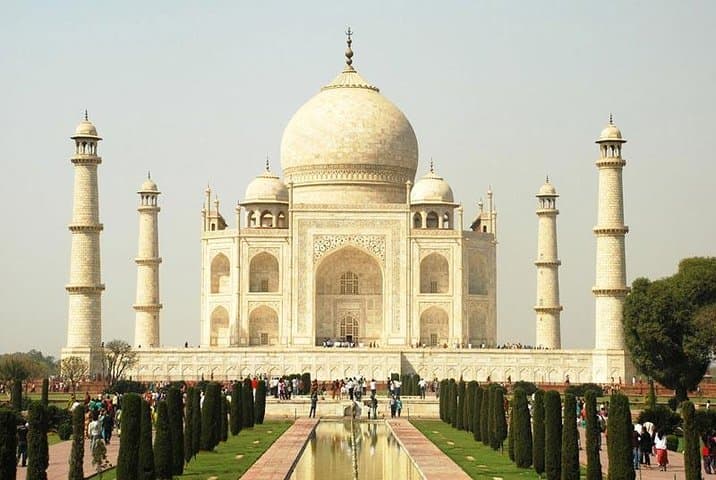
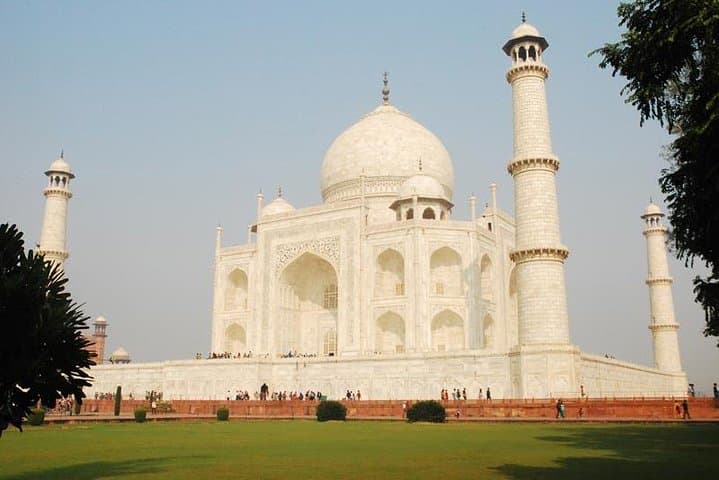
Pre-dawn traffic falls away as the highway carries you east toward the Yamuna floodplain. By mid-morning the Taj Mahal rises into view—white marble catching the sun, its domes and minarets sharp against a wide sky. The guide's voice moves between historical detail and practical cues: where to stand for the best light, which marble inlay to look for, when to pause and listen to the city beyond the gardens.
Verified experiences and guided adventures in the surrounding area.
Operated by The Vision Holidays · Agra, Uttar Pradesh
Pre-dawn traffic falls away as the highway carries you east toward the Yamuna floodplain. By mid-morning the Taj Mahal rises into view—white marble catching the sun, its domes and minarets sharp against a wide sky. The guide's voice moves between historical detail and practical cues: where to stand for the best light, which marble inlay to look for, when to pause and listen to the city beyond the gardens.
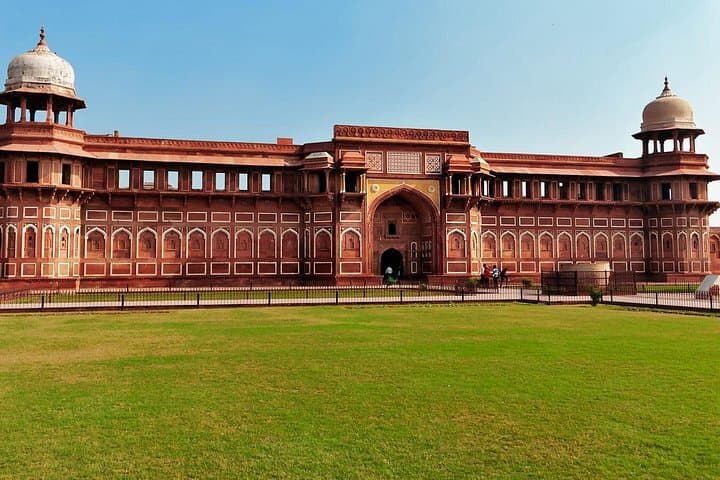
This route threads Mughal history with straightforward logistics. Shah Jahan built the Taj in the 17th century as a mausoleum for Mumtaz Mahal; Agra Fort predates it, a red sandstone citadel expanded under Akbar and his successors. Geologically, the Taj’s marble came from Makrana and sits on the Yamuna's alluvial plain—seasonal floods and humidity have shaped conservation strategies for decades. Culturally, Agra's craft traditions—stone inlay, zardozi embroidery, leather work—offer tangible links to imperial patronage.
Practical guidance: expect a long day (roughly 10 hours round trip from Delhi), comfortable walking on paved paths, and multiple security checkpoints. Book early-morning access at the Taj to avoid the heat and crowds; Fridays the main mausoleum is closed for prayer. Carry water, sun protection, and modest clothing for mosque areas. Photography is allowed in most outdoor spaces but follow site rules indoors. A private, air-conditioned car and an experienced guide make the timing efficient, leaving afternoon windows for a workshop visit or quick shopping before the return drive to Delhi.
easy.
10 hours.
Suitable for most fitness levels; involves several hours of walking on paved paths and steps
The express highway typically takes about 3 hours each way, depending on traffic; round-trip door-to-door is usually a 9–10 hour day.
Admission is generally separate; confirm whether tickets are included with the operator—security and timed entry rules apply.
Photography is allowed in most outdoor areas; some interiors and mosque areas may restrict tripods or flash—follow onsite signage and guide instructions.
Modest, breathable clothing is recommended; comfortable shoes for walking and a light layer for early morning or air-conditioned vehicles.
Agra was a major Mughal capital; Agra Fort and the Taj reflect imperial architecture and the courtly patronage of the 16th–17th centuries.
High visitor numbers and riverbank humidity drive ongoing conservation efforts; follow site rules, avoid littering, and use marked paths to reduce wear on historic fabric.
The Vision Holidays operates guided outdoor trips and adventures with an emphasis on safety, stewardship, and memorable experiences.
Pre-dawn traffic falls away as the highway carries you east toward the Yamuna floodplain. By mid-morning the Taj Mahal rises into view—white marble catching the sun, its domes and minarets sharp against a wide sky. The guide's voice moves between historical detail and practical cues: where to stand for the best light, which marble inlay to look for, when to pause and listen to the city beyond the gardens.
Pre-dawn traffic falls away as the highway carries you east toward the Yamuna floodplain. By mid-morning the Taj Mahal rises into view—white marble catching the sun, its domes and minarets sharp against a wide sky. The guide's voice moves between historical detail and practical cues: where to stand for the best light, which marble inlay to look for, when to pause and listen to the city beyond the gardens.
This route threads Mughal history with straightforward logistics. Shah Jahan built the Taj in the 17th century as a mausoleum for Mumtaz Mahal; Agra Fort predates it, a red sandstone citadel expanded under Akbar and his successors. Geologically, the Taj’s marble came from Makrana and sits on the Yamuna's alluvial plain—seasonal floods and humidity have shaped conservation strategies for decades. Culturally, Agra's craft traditions—stone inlay, zardozi embroidery, leather work—offer tangible links to imperial patronage.
Practical guidance: expect a long day (roughly 10 hours round trip from Delhi), comfortable walking on paved paths, and multiple security checkpoints. Book early-morning access at the Taj to avoid the heat and crowds; Fridays the main mausoleum is closed for prayer. Carry water, sun protection, and modest clothing for mosque areas. Photography is allowed in most outdoor spaces but follow site rules indoors. A private, air-conditioned car and an experienced guide make the timing efficient, leaving afternoon windows for a workshop visit or quick shopping before the return drive to Delhi.